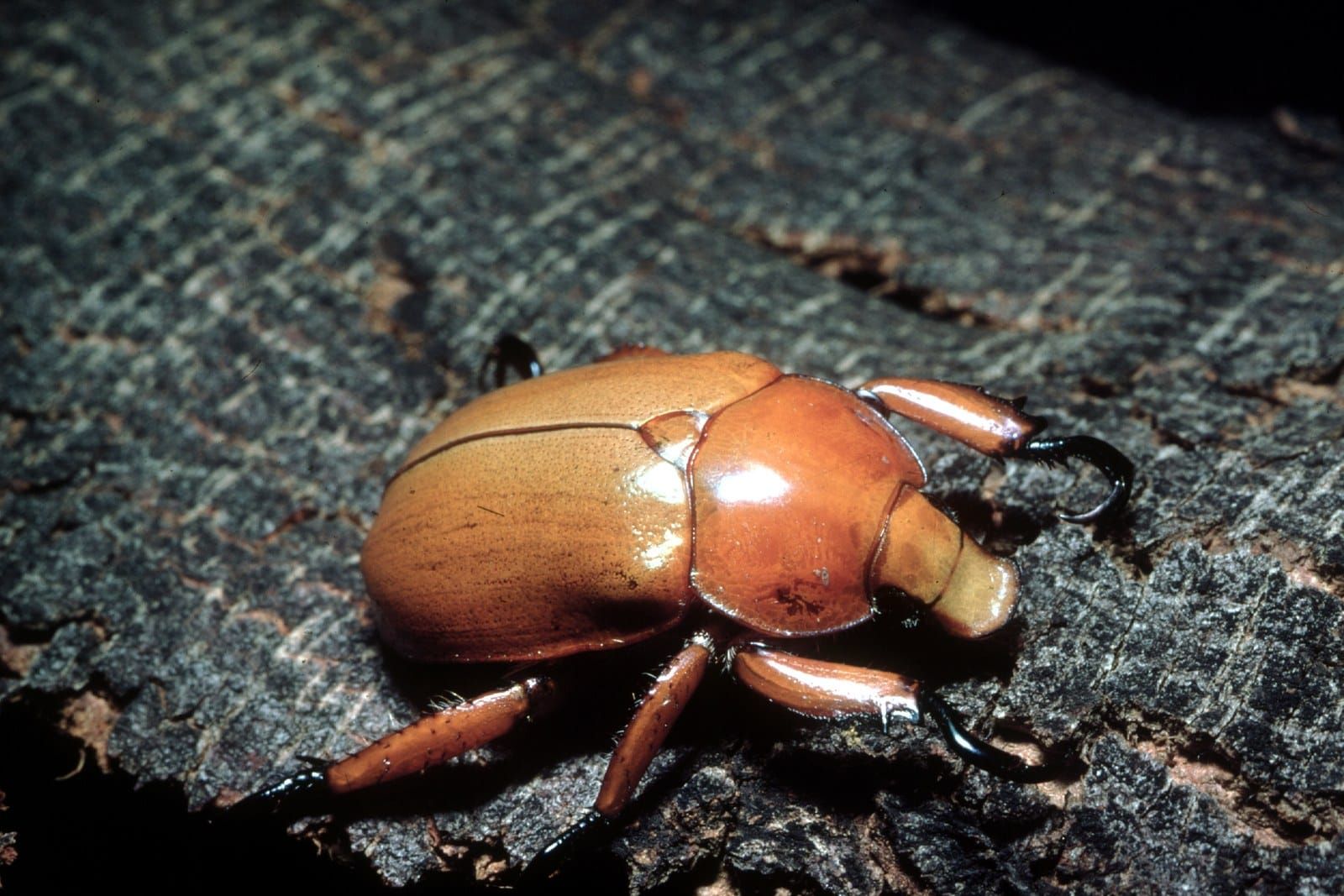
Anyone who grew up in eastern Australia remembers Christmas beetles, the fat, shining scarabs that thudded into flyscreens on December nights and seemed, around the turn of the century, to simply stop coming. Nobody counted them while they were common, so nobody can say for certain how far they have fallen or why. Invertebrates Australia means to fix that. Led by Dr Tanya Latty with the organisation's founder Dr Kate Umbers, its Christmas Beetle Monitoring Network will put trained volunteers and non lethal light traps in hubs in Brisbane, Far North Queensland, Canberra, the Sydney Basin and Darwin, year after year, with the data open to everyone, so that the question can finally be answered with numbers and the beetles assessed for threatened listing if the numbers say so. An earlier citizen science count gathered almost 25,000 sightings; this is the long term version. This month the network won a $30,000 Silver Tier award in the 2026 Australian Geographic Society Awards for Nature.
Read the full story: Investing in nature, Chrissie Goldrick, Australian Geographic.
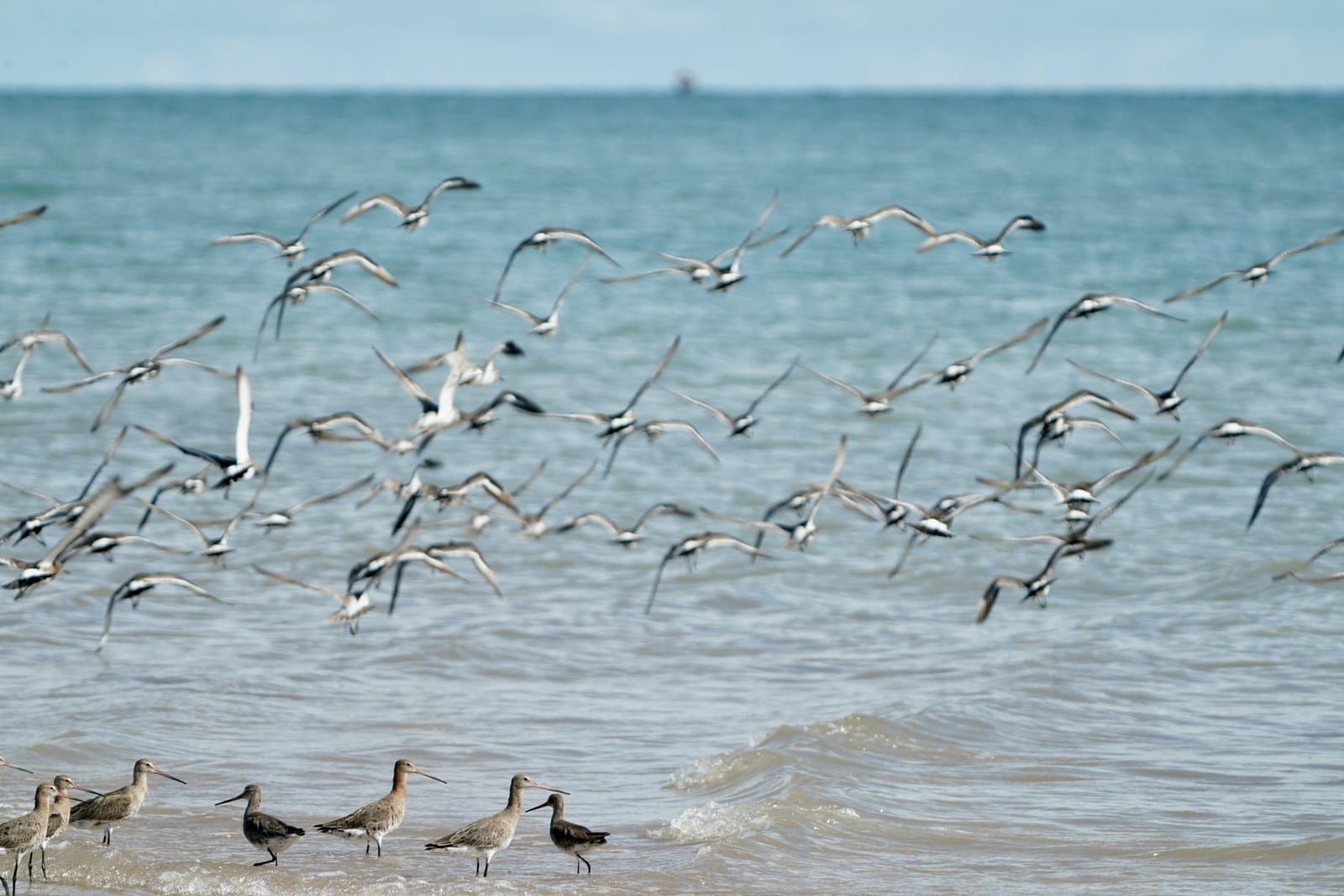
Chrissie Goldrick, who chairs the Society, wrote that this year's winners work at "the less glamorous end of the conservation spectrum", and that is the charm of the list. A $20,000 Bronze award went to the Raukkan Conservation Community Project near Lake Alexandrina in South Australia, where Regenerate Australia, the Raukkan Community Council and the Ngarrindjeri Rangers, guided by Elders including Uncle Clyde Rigney, will run co design workshops, send two rangers out to assess the sites and put in the first season of 25,000 native plantings across 2,000 hectares of wetland and woodland, with a native plant nursery and ranger jobs to follow. "Restoring Country therefore means restoring ecological function," the piece notes of the project's thinking. Its twin Bronze went to BirdLife Australia's Shorebird Stewards, which from this month trains community members, First Nations rangers and land managers at Shark Bay in Western Australia to count the bar tailed godwits and their kin that cross the planet to get there, led by Chris Purnell, filling a gap in the World Heritage area's bird records. The $50,000 Gold award went to SeedReady Communities, Dr Kathryn Eyles's program at the Australian Seed Bank Partnership, in which six seed banks will collect seed from at least 31 plant species across six threatened ecological communities and share what germinates through the Australian Virtual Seed Bank. A second Silver award funds a kelp restoration site on Sydney's reefs. Actor Bryan Brown handed out the awards, and the beetle counters, presumably, are already building their traps for December.
Sources and links
Our short take: the full story is by Chrissie Goldrick, Chair of the Australian Geographic Society, for Australian Geographic (13 October 2026). The 2026 expert review panel was Dr Jennifer Anson, Ian Darbyshire, Andrew Elphinstone and Professor Hugh Possingham.
- Investing in nature, Australian Geographic The original piece.
- Invertebrates Australia The Christmas beetle network.
- Australian Seed Bank Partnership SeedReady Communities.
- Regenerate Australia The Raukkan project (CHECK the address resolves).