
Rewilding
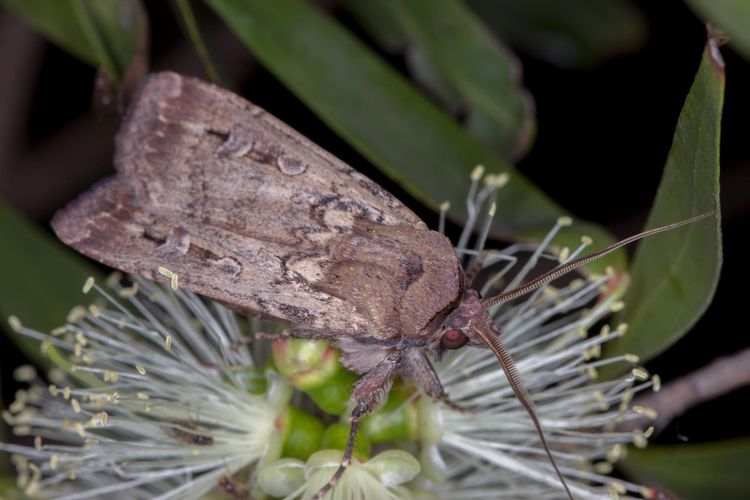
Four billion moths ride the stars south
The bogong moth had its strongest return to the Alps since its numbers fell away in 2017, and this spring thousands of people will help find out where it goes.
Species coming back, habitats restored, and the people who give them room.
 Rewilding
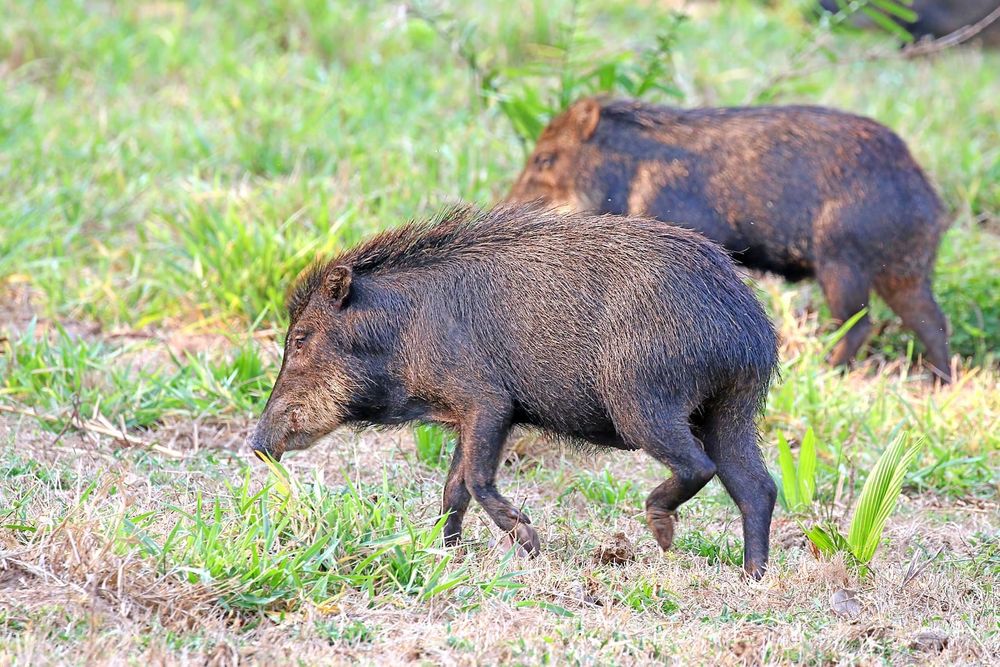
For sixteen hours in late August, a herd of white lipped peccaries travelled by truck, by boat and finally on people's shoulders into Piedras Blancas National Park, where the forest has been missing them for eighteen years.
The bogong moth had its strongest return to the Alps since its numbers fell away in 2017, and this spring thousands of people will help find out where it goes.
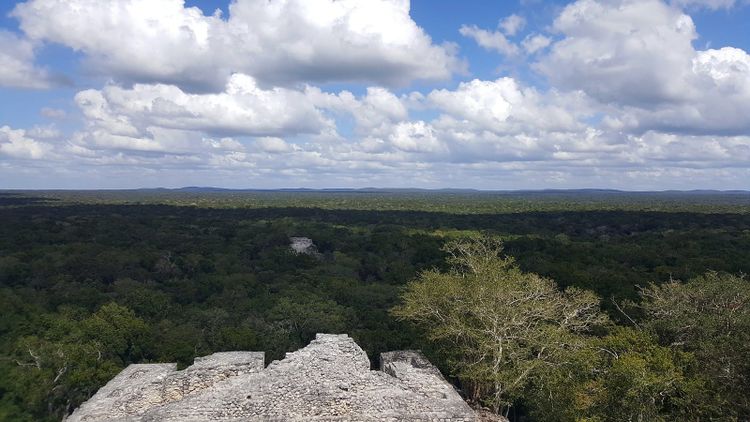
In the far south of Mexico, the largest tropical forest reserve in the country is held together by the villages living inside it.
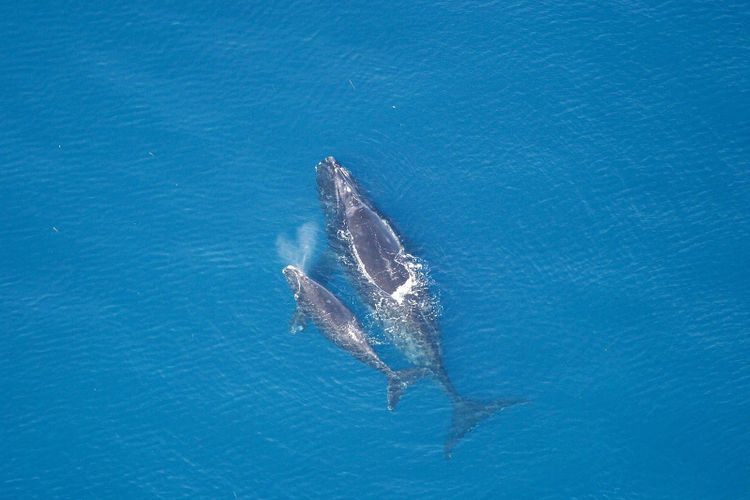
A whale called Goldfish turned up outside an office window in Newfoundland, and out in the Gulf a whole seaway is slowing down for her kind.
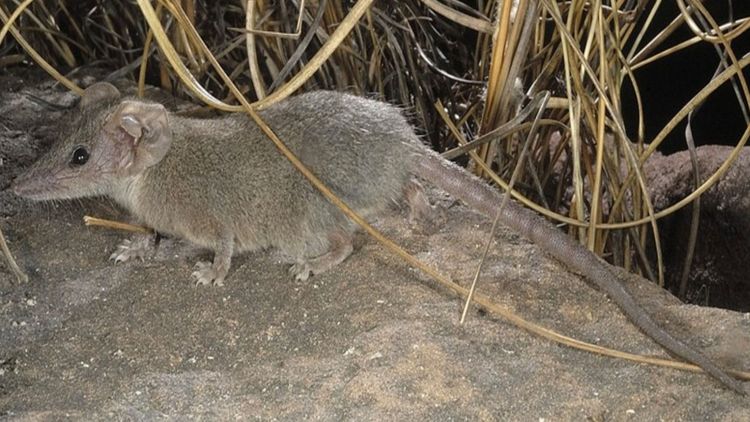
The long-tailed planigale, one of the smallest marsupials on earth, has just been sorted into four separate species, and one of them is brand new.
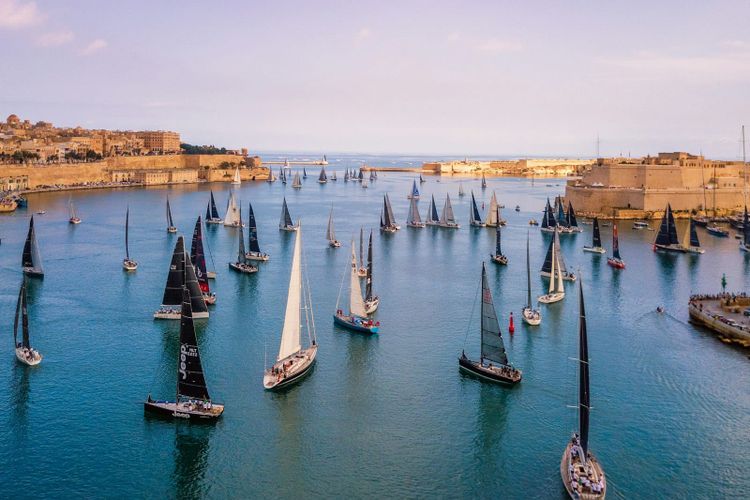
A ninety nine year development concession over Manoel Island has ended, and the waterfront is going back to the people who asked for it.
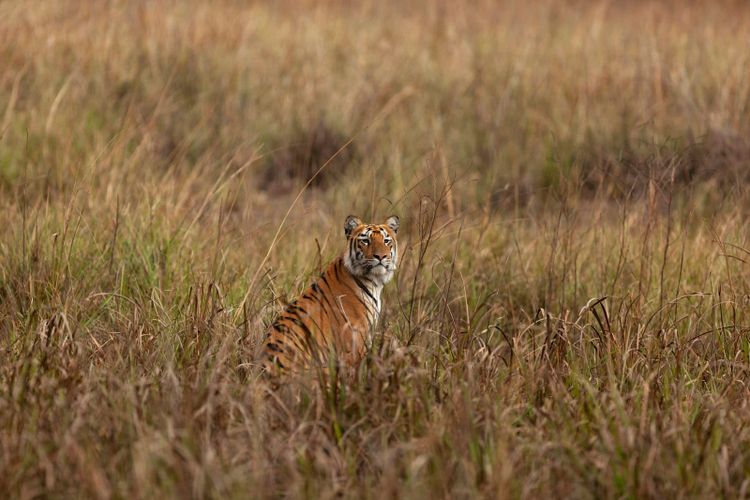
One hundred and twenty one in 2009. Four hundred and twenty nine this year, in a country you could drive across in a day.
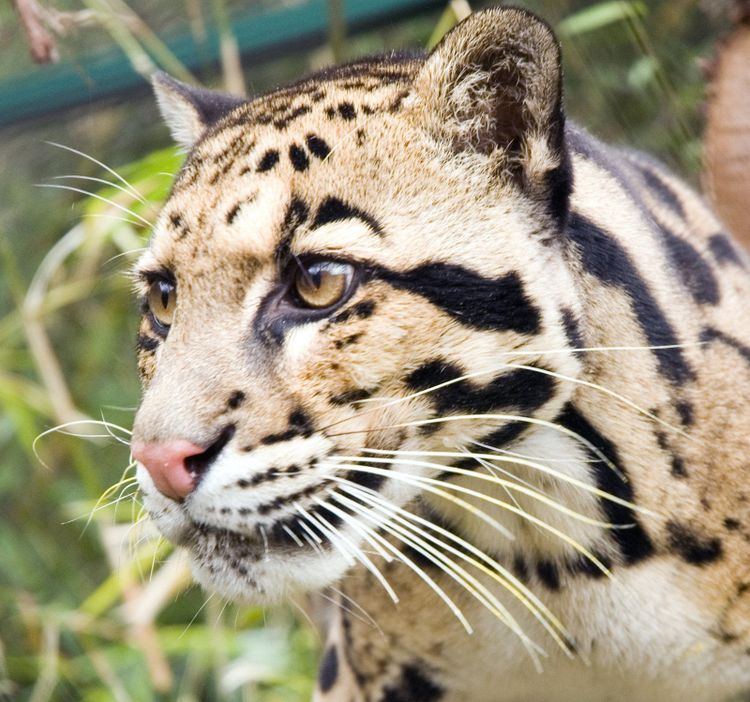
A new 200 million dollar fund has one job: carry one hundred threatened animals and plants all the way back.
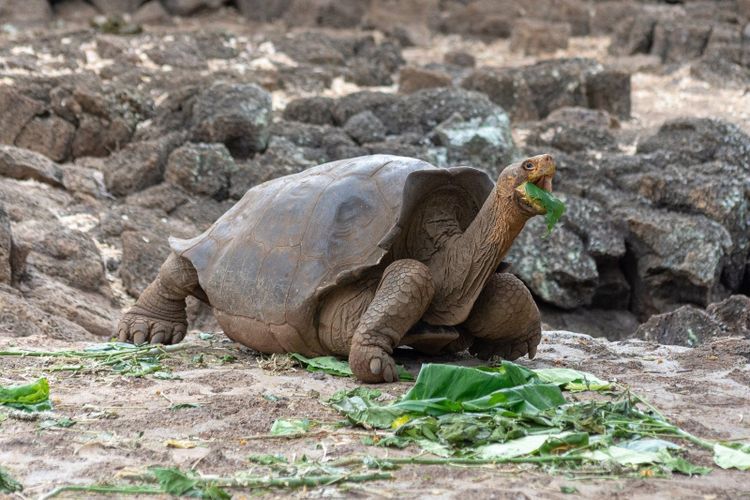
After 180 years, giant tortoises walk Floreana Island again, the first of twelve species being welcomed home.
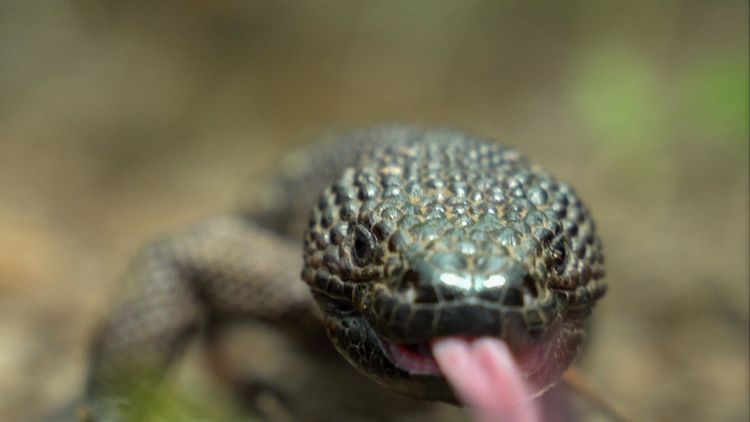
Guatemala calls its rarest lizard the niño dormido, the sleeping child. A zoo in the capital is giving it a future.
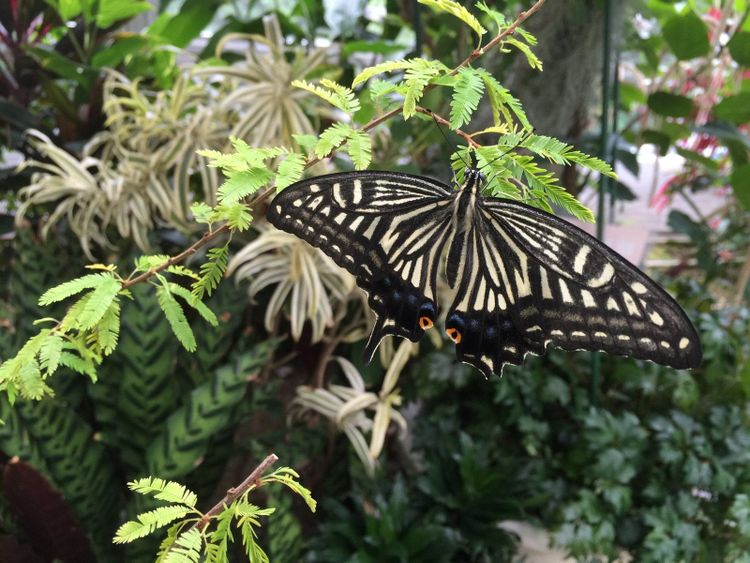
A ten year old in Kobe wondered if his butterflies remembered him. The answer is now heading for a science journal.
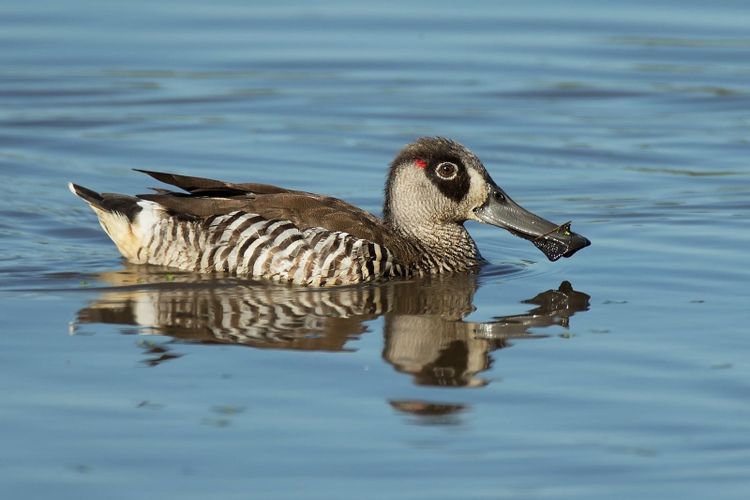
The pink eared duck spends its life chasing rain across the continent. This year the rain fell, the wetlands filled, and the ducks arrived in their thousands.