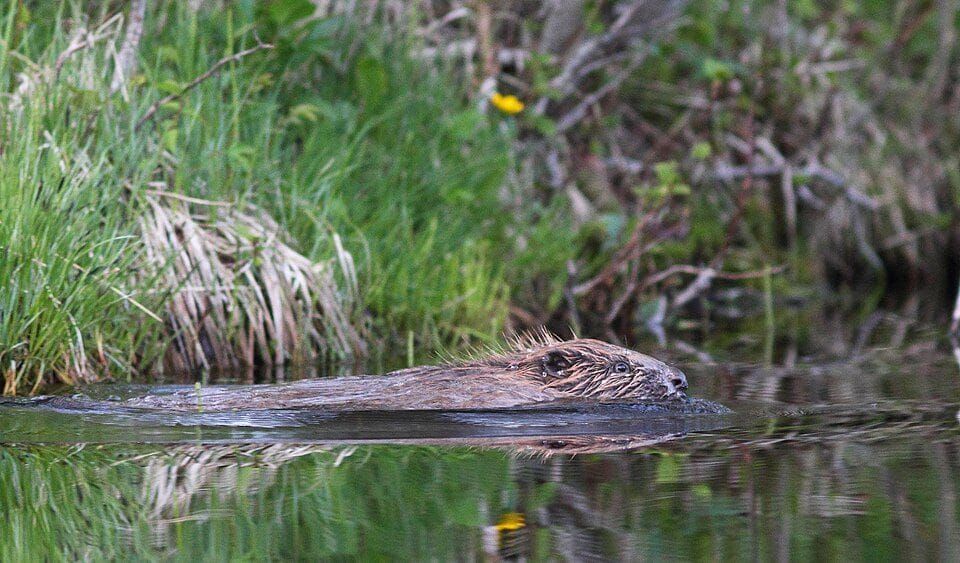
For four centuries there were no beavers in Britain, and the rivers forgot what it was to be managed by teeth. This year they are coming home properly. After England legalised wild releases, around one hundred beavers are being set loose through 2026: in Cornwall, where the Wildlife Trust carried the first officially licensed pair to the water, and in the Scottish Highlands, where whole families are settling into the lochs and burns of Glen Affric. Projects across Devon, Dorset, Kent, Cumbria and the Isle of Wight are queued behind them, paperwork in paw.
Each pair gets to work immediately: felling, damming, pooling. Beaver wetlands hold water back in floods and hold it up through droughts, filter muddy streams clean, and fill with dragonflies, frogs, fish and waterbirds within a few seasons. No engineer works cheaper, the entire fee is paid in bark. Britain spent four hundred years without its wetland builders and is now rediscovering what every river once knew: the best flood defence ever designed has a flat tail. The releases roll on through the year, one happy splash at a time.
Our short take: reported by the Natural History Museum and Natural England. Photograph: a wild Eurasian beaver via Wikimedia Commons.