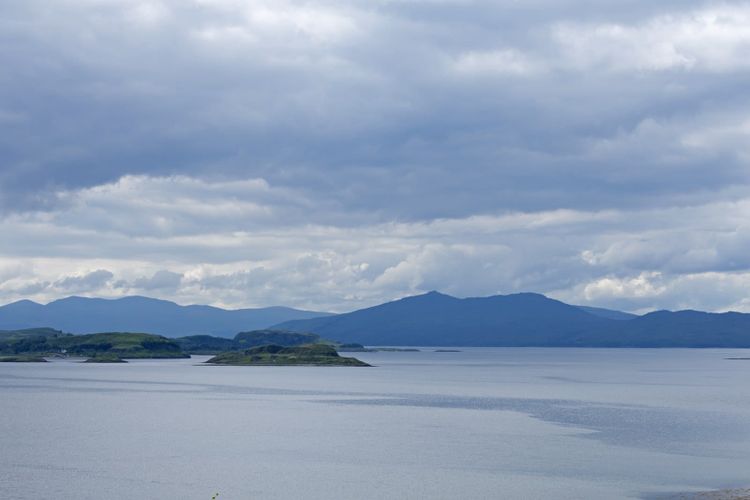
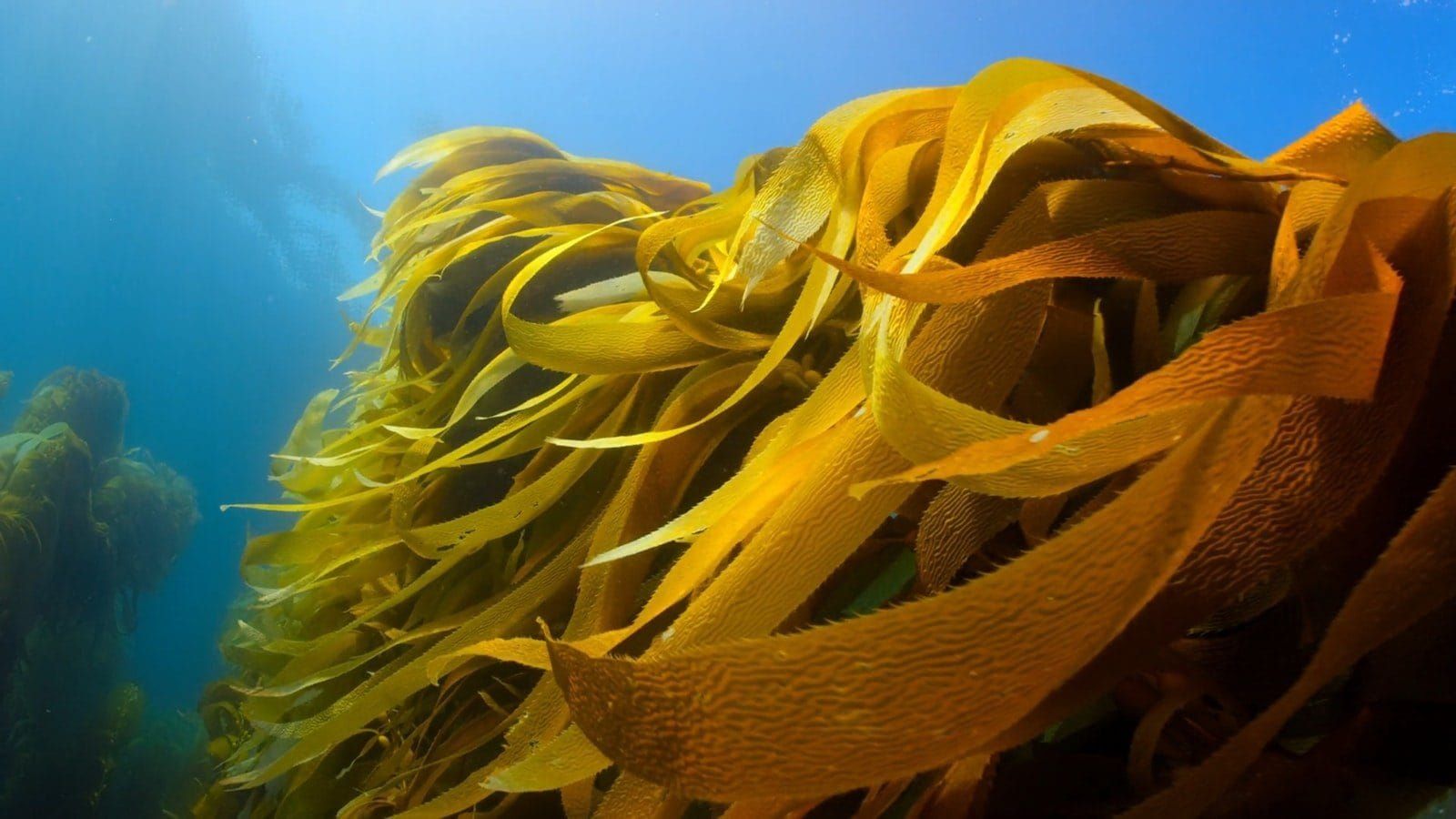
An hour off the southern California coast, within sight of one of the busiest cities on Earth, five islands run entirely on nature's timetable. Channel Islands National Park has no cars, no shops and no hotels; you arrive by boat or small plane, carry in what you need, and are met by the residents: sea lions hauled out on the rocks, bright orange garibaldi in the shallows, whales passing offshore, and the island fox, a cat sized charmer found nowhere else on the planet. Beneath the surface, giant kelp rises thirty metres from the sea floor in golden columns, and snorkelling through it feels like drifting inside a lit cathedral.
Travel watchers say 2026 is the year wildlife travel went properly mainstream, with more of us choosing places where nature is the whole show. The Channel Islands are a lovely model of how that can work: protected waters, limited landings, and a visitor culture of look, float and leave no trace. The reward for gentleness is abundance. If a trip across the Pacific is not in reach this year, somewhere like this might be, and the kelp forest is waiting, swaying, an hour from the freeway.
Our short take: park details from the U.S. National Park Service; the 2026 wildlife travel trend was reported by Travel And Tour World. Photograph: kelp forest, Channel Islands National Marine Sanctuary, NOAA (public domain).