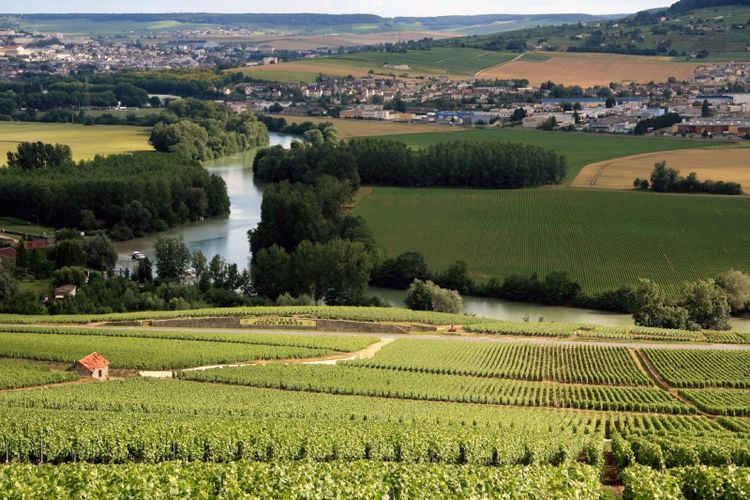
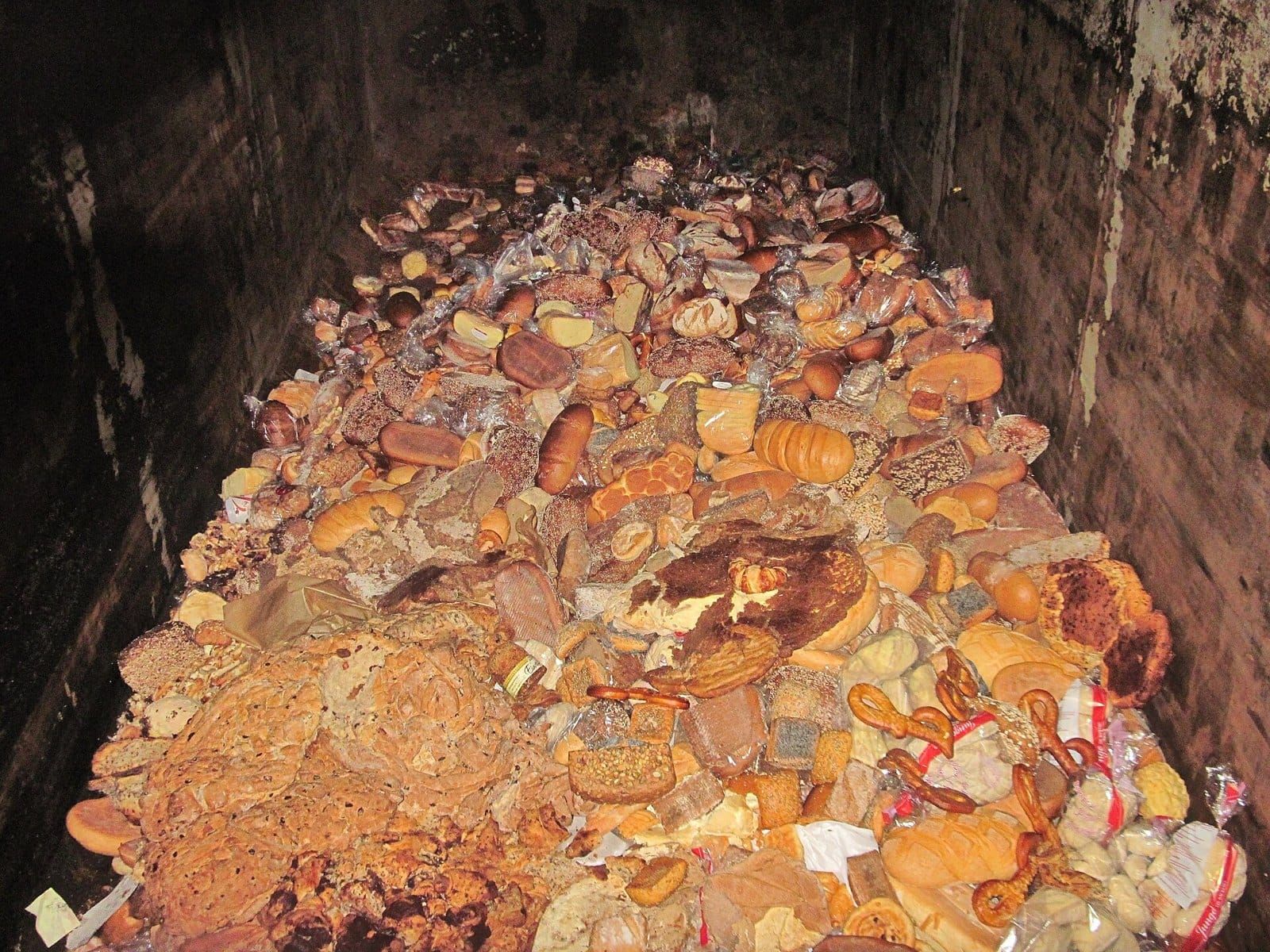
Palm oil is in about half the packaged products in a supermarket, from biscuits to shampoo, and almost all of it comes from plantations in Malaysia and Indonesia. Professor Chris Chuck, a bioprocess engineer at the University of Bath, spent a decade looking for something that could do the same job without a plantation, and found it in a yeast called Metschnikowia pulcherrima that lives on grape skins. Fed the right sugars it does something odd: it stops growing and starts storing, until it is more oil than organism. Clean Food Group, the company Chuck co founded with chief executive Alex Neves and finance director Tom Ellen, feeds it surplus bread from Roberts Bakery in Cheshire and other food waste, lets it ferment for a few days, then presses the oil out without solvents. Out come liquid oils for cosmetics, soft fats for spreads and chocolate, and hard fats for bakery, and by the university's account the oil performs just like palm oil. Chuck says the yeast can use not just the whole carbohydrate fraction of the bread but the protein and trace elements as well. Its first product on the market, an oil for skin care developed with THG Labs and Croda, is approved in Britain, Europe and the United States and made its debut at the cosmetics fair in Paris in April.
That same month the company raised £4.5 million, led by the Clean Growth Fund and Jim Mellon's New Agrarian, to bring its new plant on stream: a twelve acre former algae works at Knowsley on the edge of Liverpool with a million litres of fermentation capacity, which the company describes as the world's largest facility for oils and fats grown from yeast. Its first commercial run has already produced two tonnes of oil in 100,000 litre reactors. Neves says the purchase let the company leapfrog the slow path from pilot to demonstration plant to a new build, and Ellen calls the money the means to bring the Knowsley plant on stream. Two honest caveats belong in the story. Palm oil is, in Chuck's own word, dirt cheap, and price parity is the company's aim rather than its achievement yet. And nobody yet knows whether there is enough food waste to feed yeast at the scale palm is grown. But there is a good deal of stale bread in the world, and in a set of steel tanks on Merseyside a very small organism has started turning it into something useful.
Sources and links
Our short take: the full stories are by Anay Mridul for Green Queen (14 April 2026) and Ed Devlin for The Grocer (14 April 2026), with the science from the University of Bath and UK Research and Innovation, and the yeast's story from Tom Whipple's report for The Times.