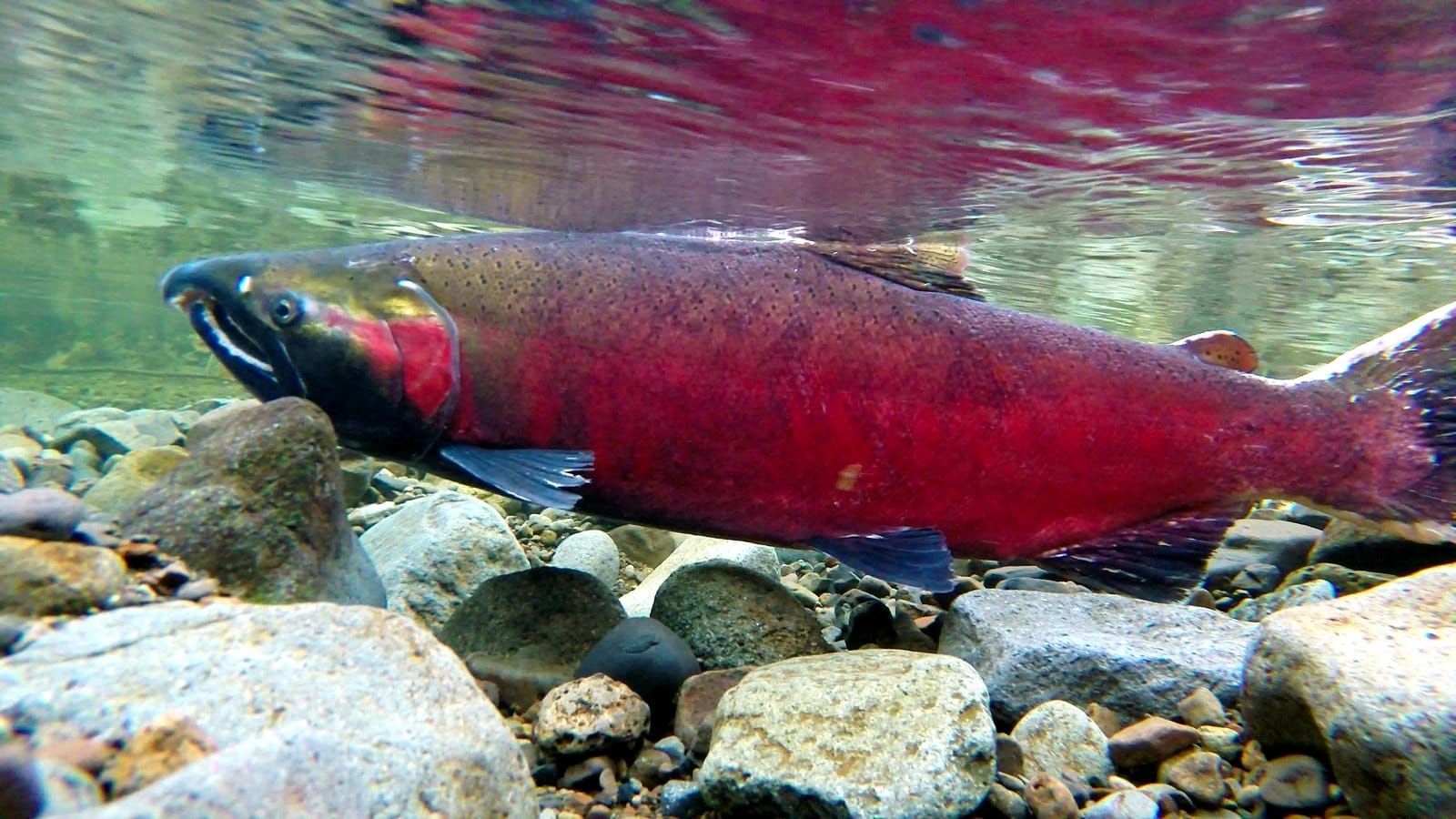
On the Mendocino coast of northern California, in the redwood creeks that run down to the Pacific, the count for the winter of 2024 to 2025 came to more than 30,000 adult coho salmon. That is double the previous record of 15,000, set only the year before, and it comes after a decade in which as few as 3,000 fish returned in a season. Central California Coast coho are listed as endangered, the most threatened coho in the country, which is why the details matter so much to the people who count them. Usal Creek saw coho for the first time since 2014. In the Gualala River they were seen for the first time in roughly twenty years. On the North Fork of the Navarro, crews watched 50 to 100 fish a day pass at the peak of spawning. Joe Pecharich, a marine habitat resource specialist with NOAA Fisheries, the American ocean agency, said he was overjoyed and that everybody was ecstatic about how many coho there were, and that many of them never thought they would see something like it in their lifetime.
Luck in the ocean played its part, with about eight in every hundred young fish surviving at sea last year against the usual two or fewer, but the rivers were ready for them because of a quarter century of work. Since 2000, more than a hundred projects funded through NOAA and carried out with the California Department of Fish and Wildlife, Trout Unlimited, The Nature Conservancy and the timber companies that own much of the coast have replaced road culverts too small for a fish, removed old barriers, reconnected creeks to their floodplains, built log jams for shelter and let straightened channels wander again. At Neefus Gulch, a barrier taken out in 2024 opened about 500 metres of creek that had been shut for seventy years. In the Ten Mile watershed last summer, crews finished the largest habitat project ever attempted there. Peter van de Burgt, who manages North Coast restoration for The Nature Conservancy, says that just days after the excavators roll out, the fish start to swim in. Joshua Fuller, who supervises NOAA's Coastal California branch, put it plainly: recovery is possible when management, habitat, ocean and river conditions line up. Counting for this past winter runs until May, and the early signs point to another strong year.
Sources and links
Our short take: the full story is by Andy Corbley for Good News Network (4 September 2026), from NOAA Fisheries' report of 26 March 2026 on the record return. Photograph: Bureau of Land Management, public domain.