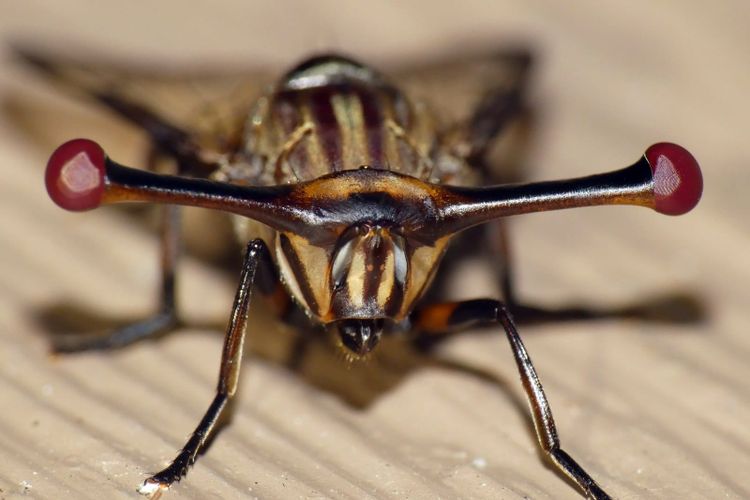
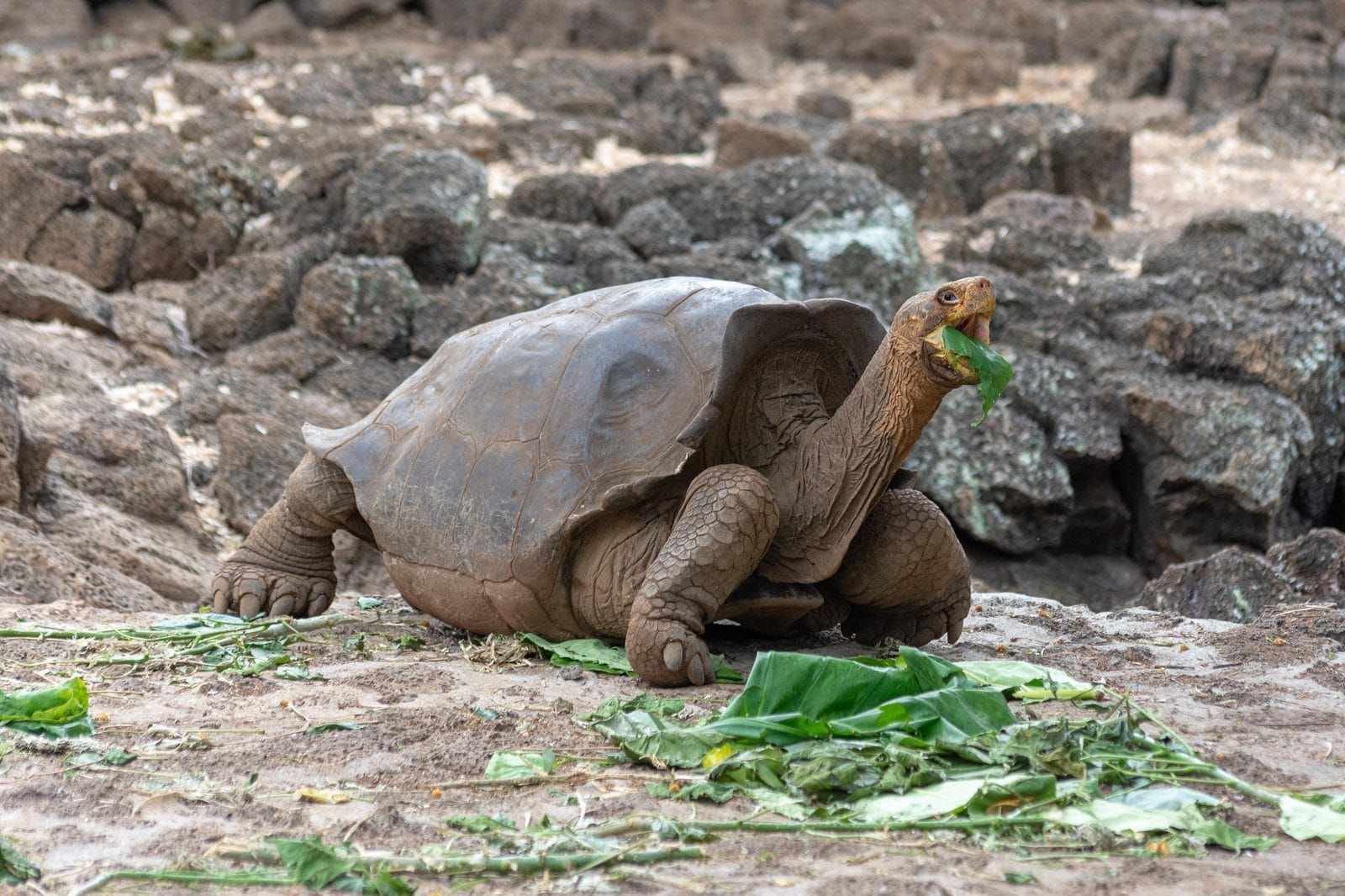
On the twentieth of February this year, on a small green island in the Galápagos, 158 young giant tortoises walked out into their ancestral home. The Floreana giant tortoise was driven to extinction in the mid 1800s; these juveniles, raised from the closest living relatives of that lost lineage, are the first of their kind on the island in more than 180 years. They are also the gardeners: tortoises spread seeds, open pathways and shape the whole ecosystem, which is why they lead the plan to return twelve locally missing species to Floreana, among them the Floreana mockingbird and the little vermilion flycatcher.
The project belongs to the island's own people first: about 160 residents live on Floreana, and the restoration was designed with them and around them, years of preparation clearing the invasive rats and cats that once ate every egg. The wider archipelago shows how wonder and protection hold hands: strict visitor rules, certified guides and small numbers are exactly what keep the islands worth crossing the world for. Somewhere on Floreana this morning, a tortoise is doing its slow, patient work, and an island is remembering itself.
Our short take: announcements from the Charles Darwin Foundation, Island Conservation and the Galápagos National Park, with reporting by Euronews Green, February 2026. Cover photograph: a Galapagos giant tortoise by Nicolas Völcker, CC BY-SA 4.0, via Wikimedia Commons.