
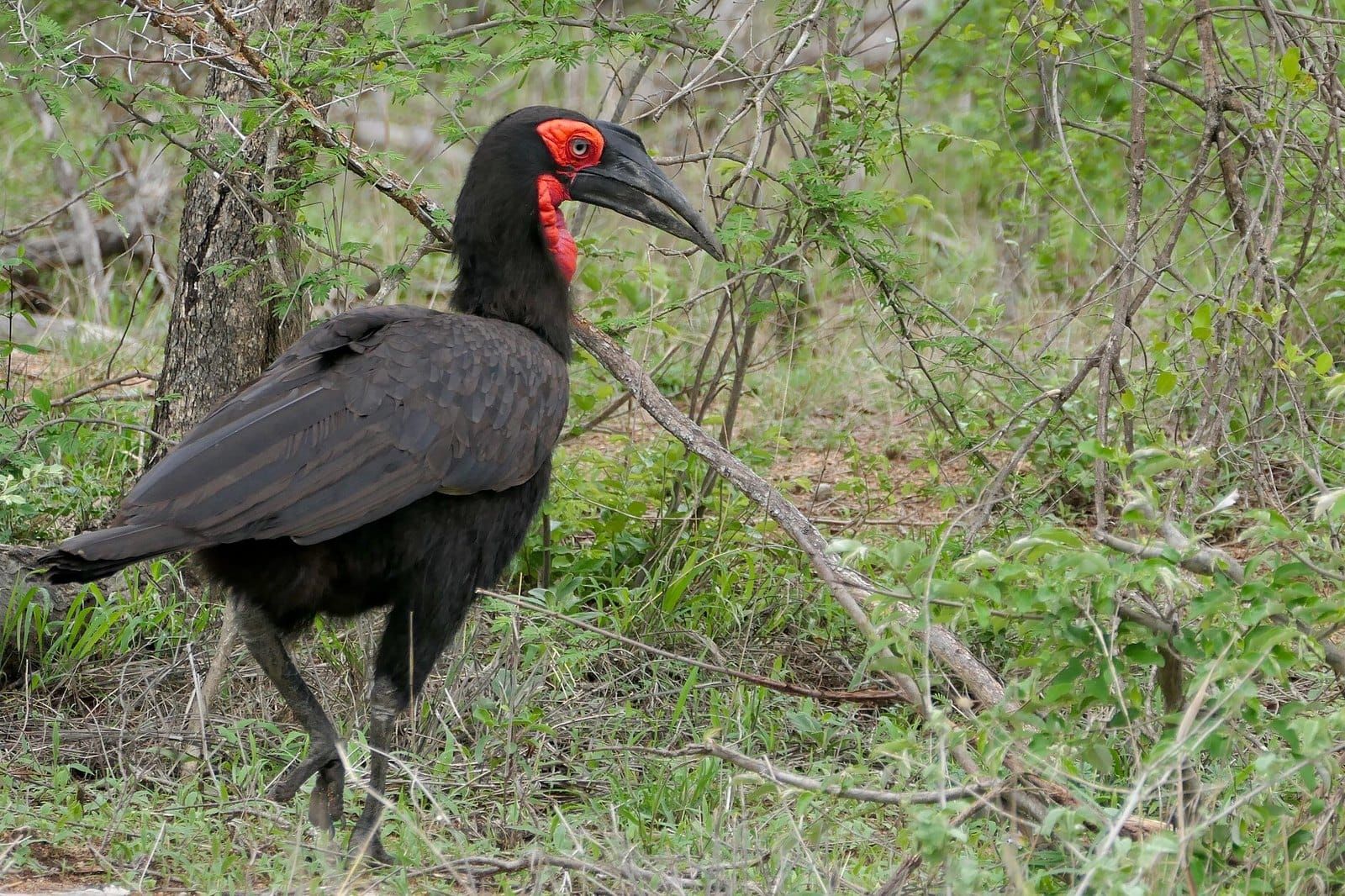
Southern ground hornbills use their big curved beaks for nearly everything: picking up food, preening, nudging each other. So when a young male at ARTIS, Amsterdam's zoo, broke both his upper and lower beak and was left with two stumps, he could manage but could not really live like a hornbill. ARTIS vet Martine van Zijll Langhout and bird specialist Yvonne van Zeeland of Utrecht University's veterinary faculty decided to try something no one had done for this species. Utrecht made a CT scan of his head, of the stumps, and of the broken beak pieces the keepers had kept, and from those a team rebuilt the beak's original shape on screen. Utrecht's 3D lab printed two prostheses in plastic, Amnovis made titanium fittings, and surgeons Bjorn Meij and Lucinda van Stee fixed them in place with titanium screws. Spare parts were printed too, and the screws mean the pieces can come off again if they ever need to.
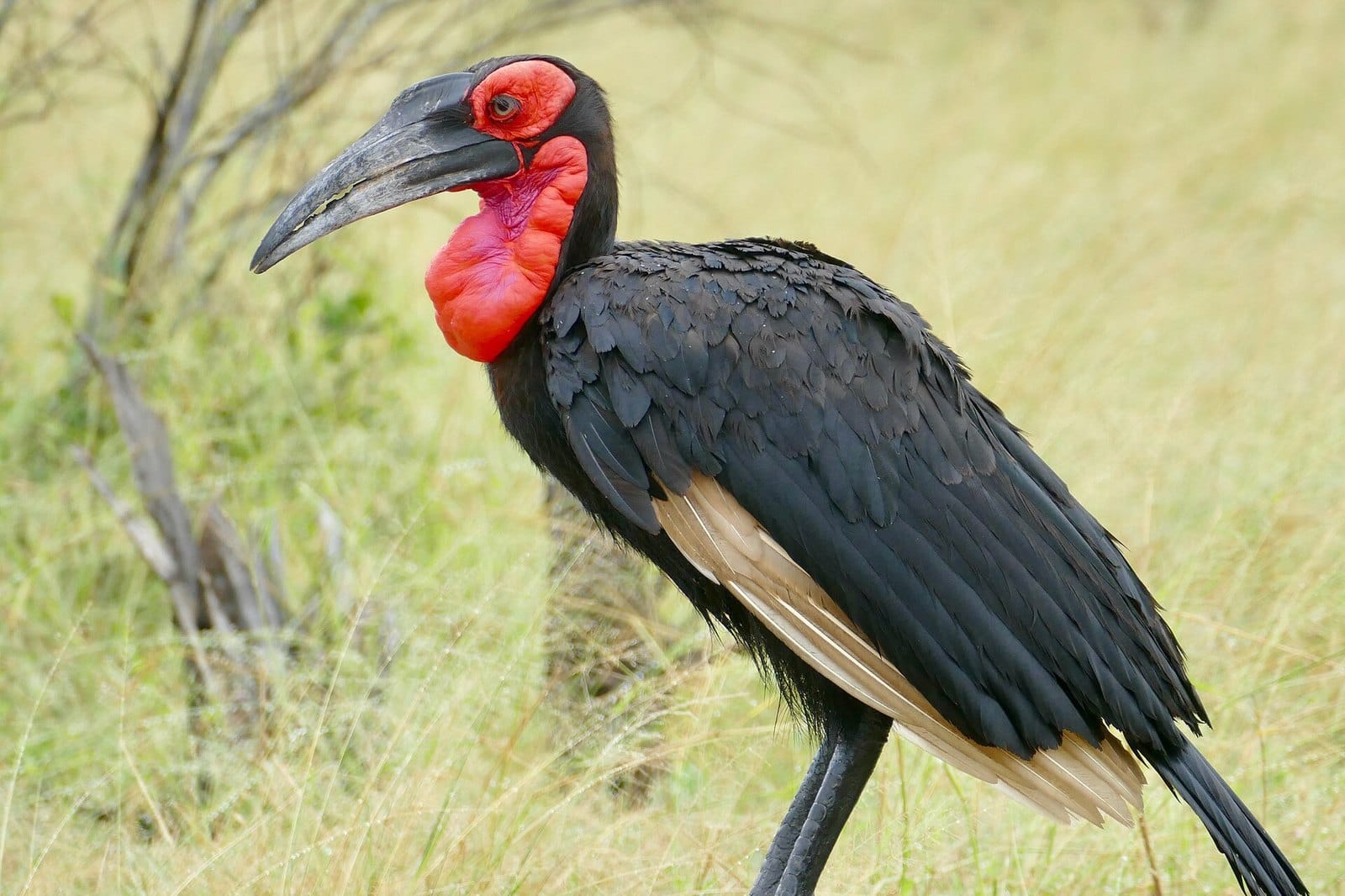
Van Zijll Langhout says, in Dutch, that you always have to weigh whether an operation is truly in the animal's interest. This one was. He was back at ARTIS and picking up food by himself the morning after surgery, and eating on his own the same day, which she describes as "wonderfully good". His keepers, who were in on the plan from the start, are watching how he settles, and ARTIS is honest that the long term is still unknown; a beak takes a lot of knocks. For now a bird that could only nudge at his dinner is eating it, and a scan and a printer did what nature could not.
Sources and links
Our short take: from ARTIS's own account (16 October 2026, in Dutch; quotes are our translation).
- ARTIS, hoornraaf The full account, with the vets' names.
- Utrecht University, Faculty of Veterinary Medicine Where the scan and surgery were done.