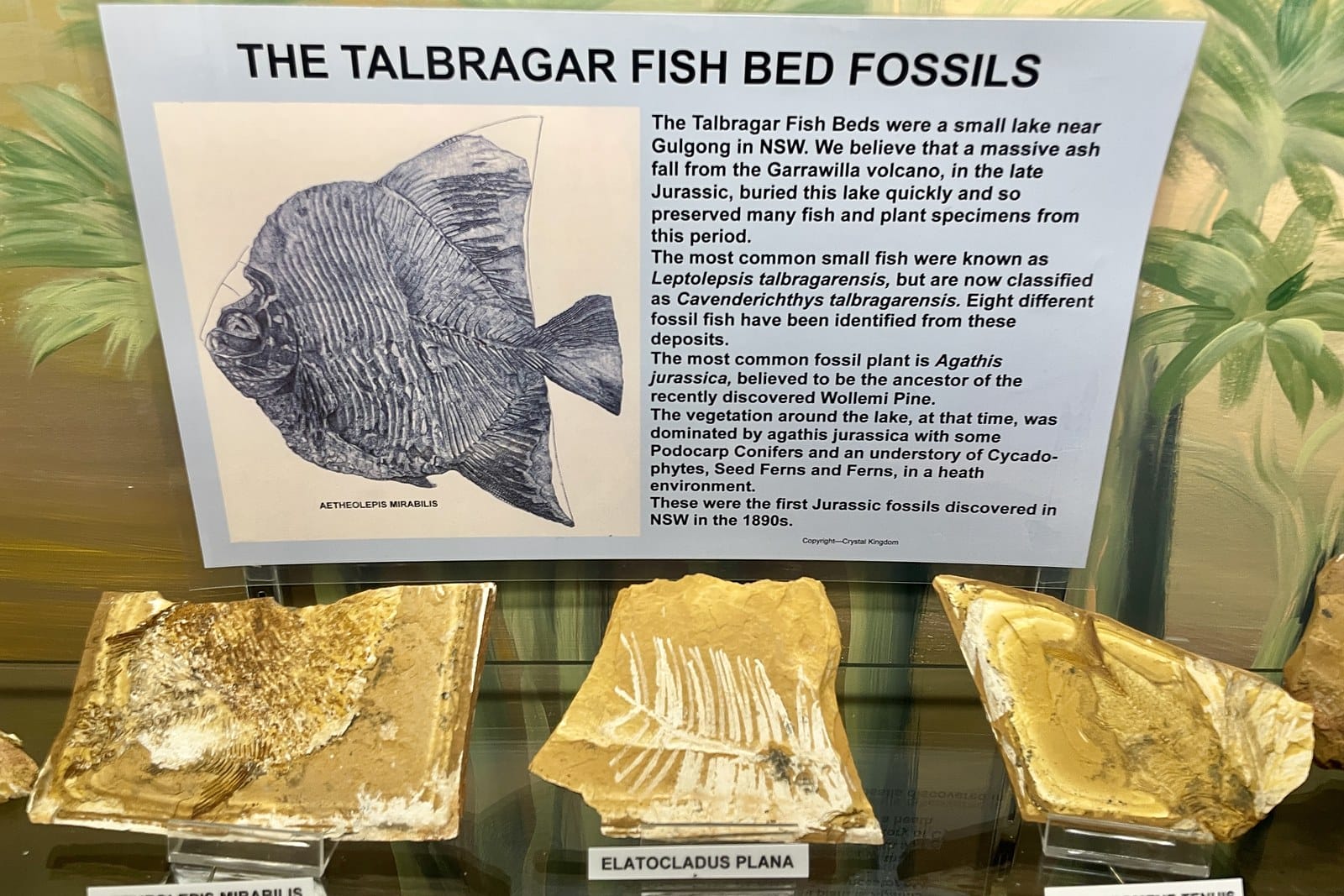
 | | The Talbragar fish bed case at Crystal Kingdom, Coonabarabran. Photograph: Oliver Strewe. Good morning. This week begins out past the Warrumbungles, at a small museum in Coonabarabran where a volcano buried a lake 150 million years ago and the fish are still in their glass case, beside the ancestor of the Wollemi pine. Then a tiger named Hope walking free in Kazakhstan for the first time in seventy years, the Melbourne lab that gave the smell of rain its name, the dolphins of Istanbul and their growing family album, five things the scientists found out about hippos, the camper who found a crater 25 kilometres wide, the oldest comfort in the world read from two sets of teeth in Sulawesi, and a clear box the size of a lunchbox settling baby coral on the Great Barrier Reef 56 times faster. | 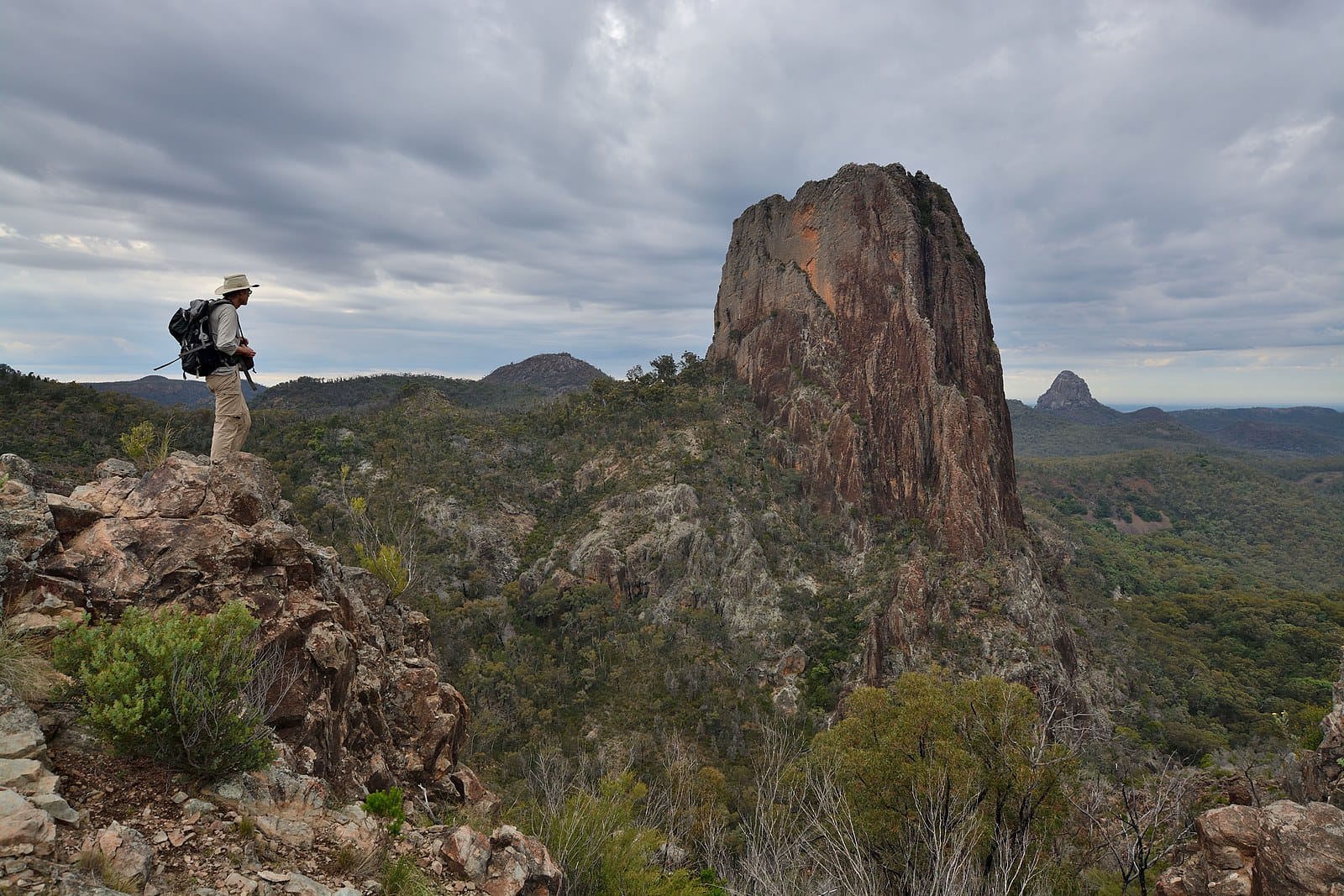 | Places we explore Out past the Warrumbungles, a museum built from one district's rocks holds Jurassic fish, the leaves of a tree that grew before the Wollemi pine, and the most colourful crystals the volcanoes ever made. Read the full story |
| More good news | 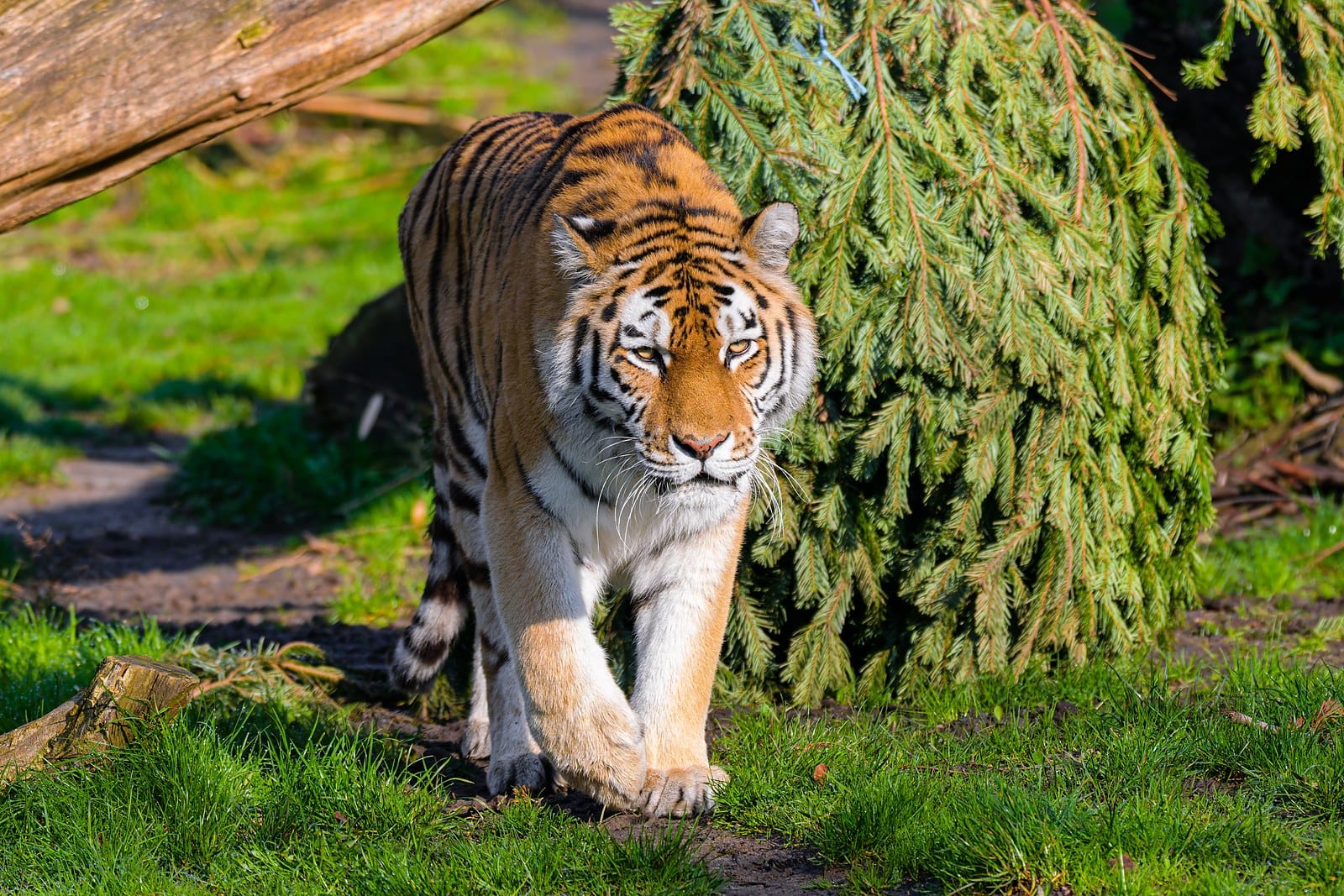 | Conservation On the last day of July a female Amur tiger called Umit walked out of her enclosure into 450,000 hectares of river forest and reed bed in south east Kazakhstan, the first tiger to live wild there since 1948. Read the full story |
| 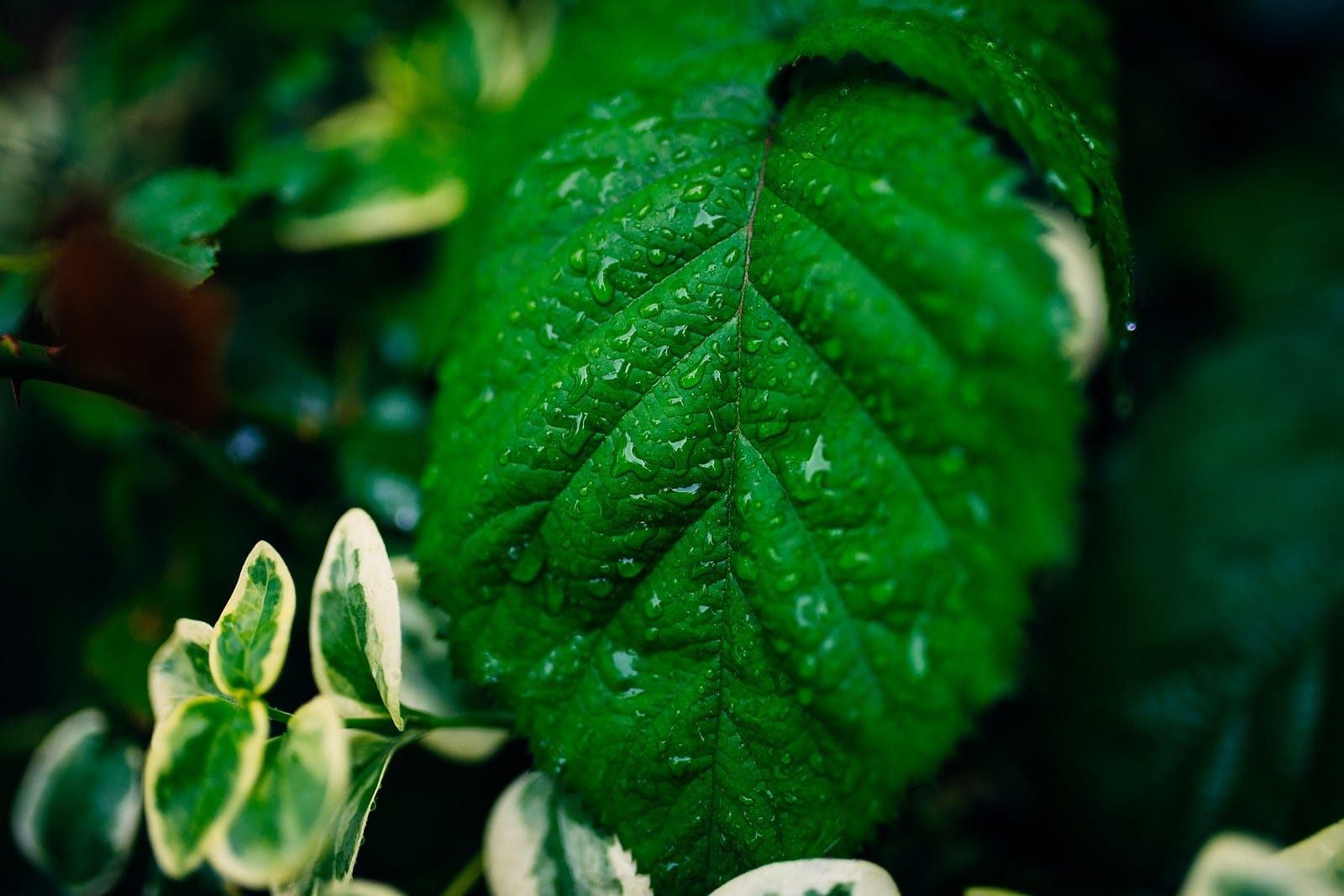 | Sustainable living That smell when rain lands on warm ground has a name, an Australian one, and behind it is a partnership between soil bacteria and tiny creatures that is 400 million years old. Read the full story |
| 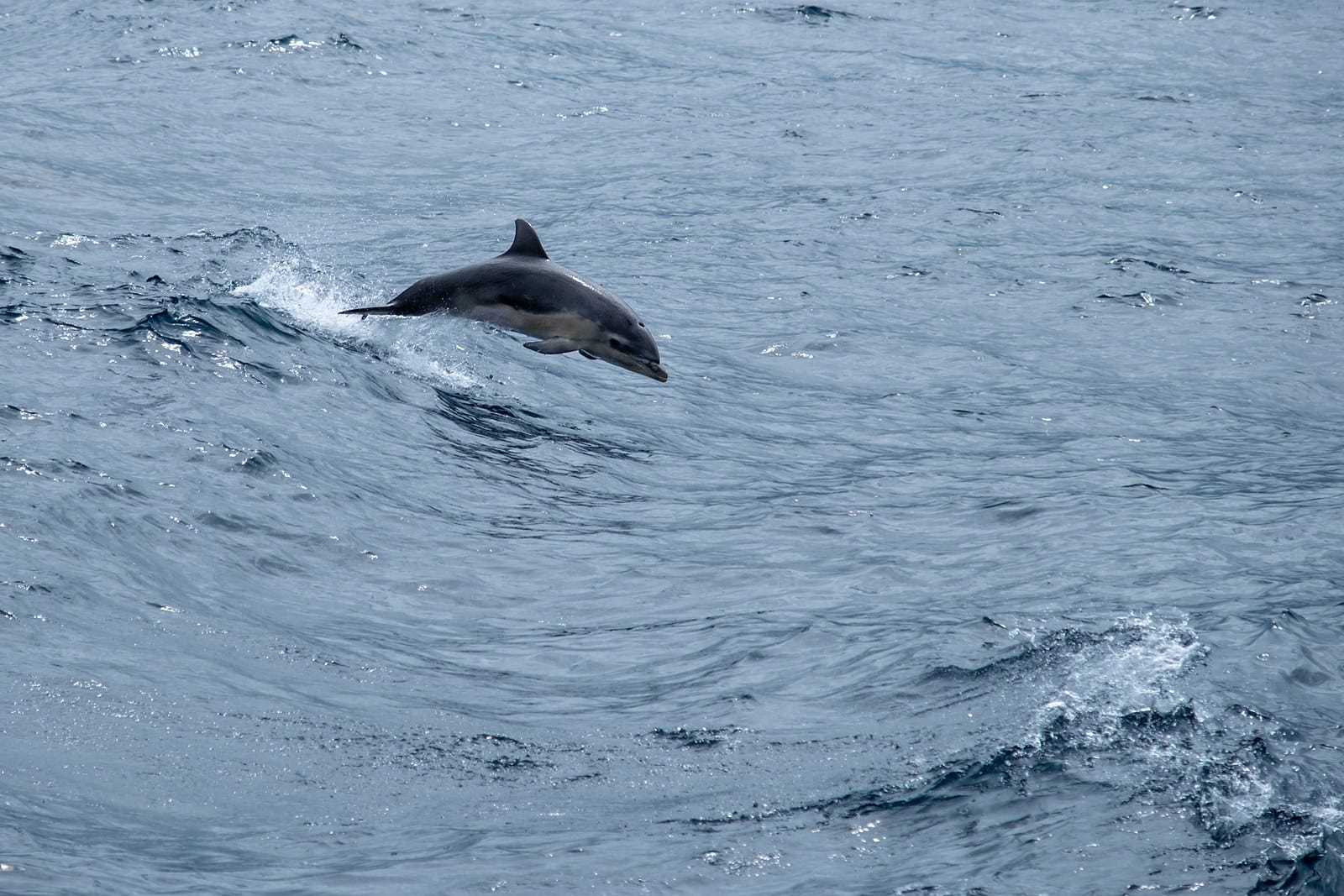 | Global Good News In the strait that runs through the middle of Istanbul, researchers are photographing dorsal fins the way police photograph fingerprints, and the fins keep coming back with calves beside them. Read the full story |
| 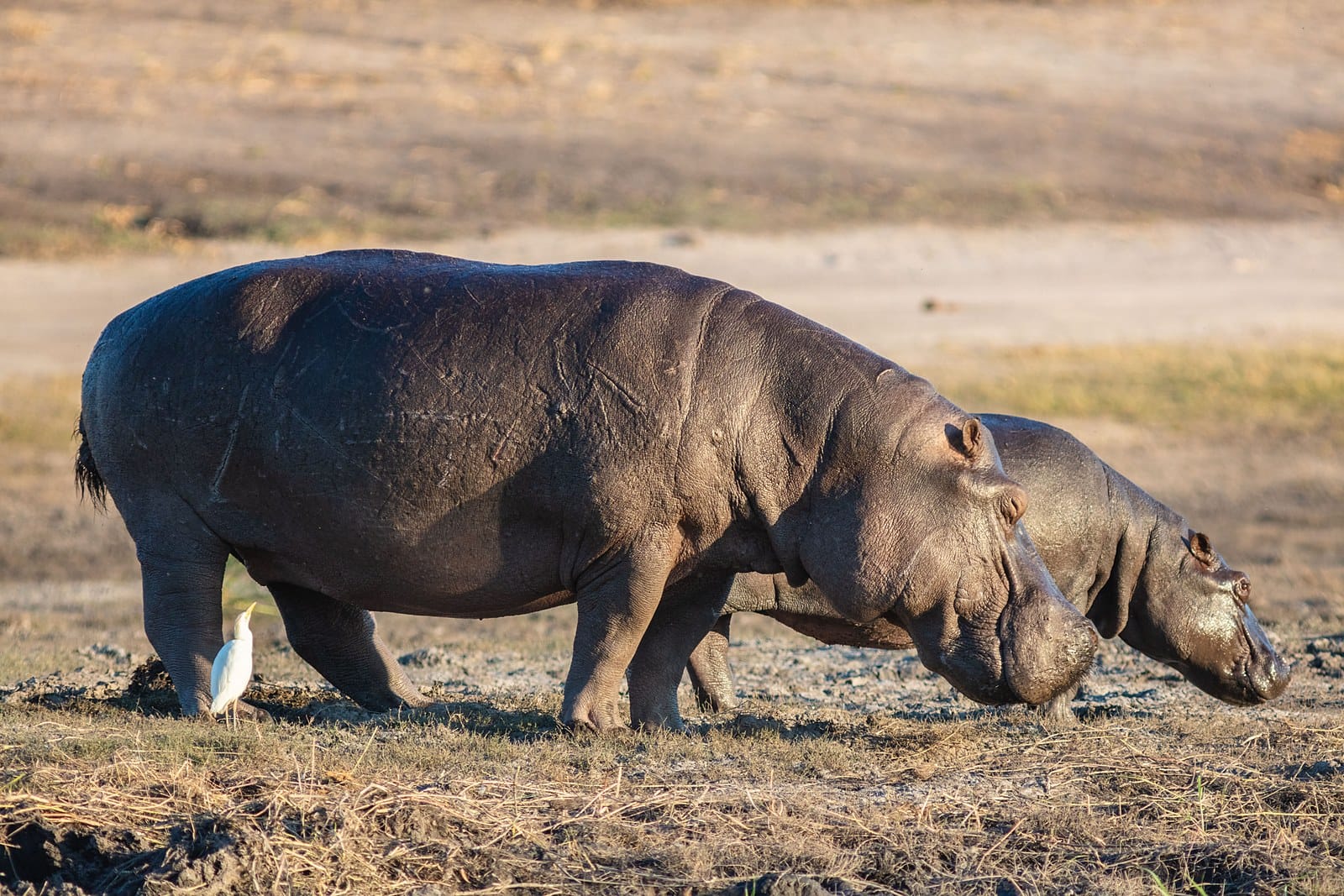 | Global Good News Everything you think you know about hippos is a little bit wrong, in the best way, and the scientists who spend their nights on African riverbanks have the evidence. Read the full story |
| 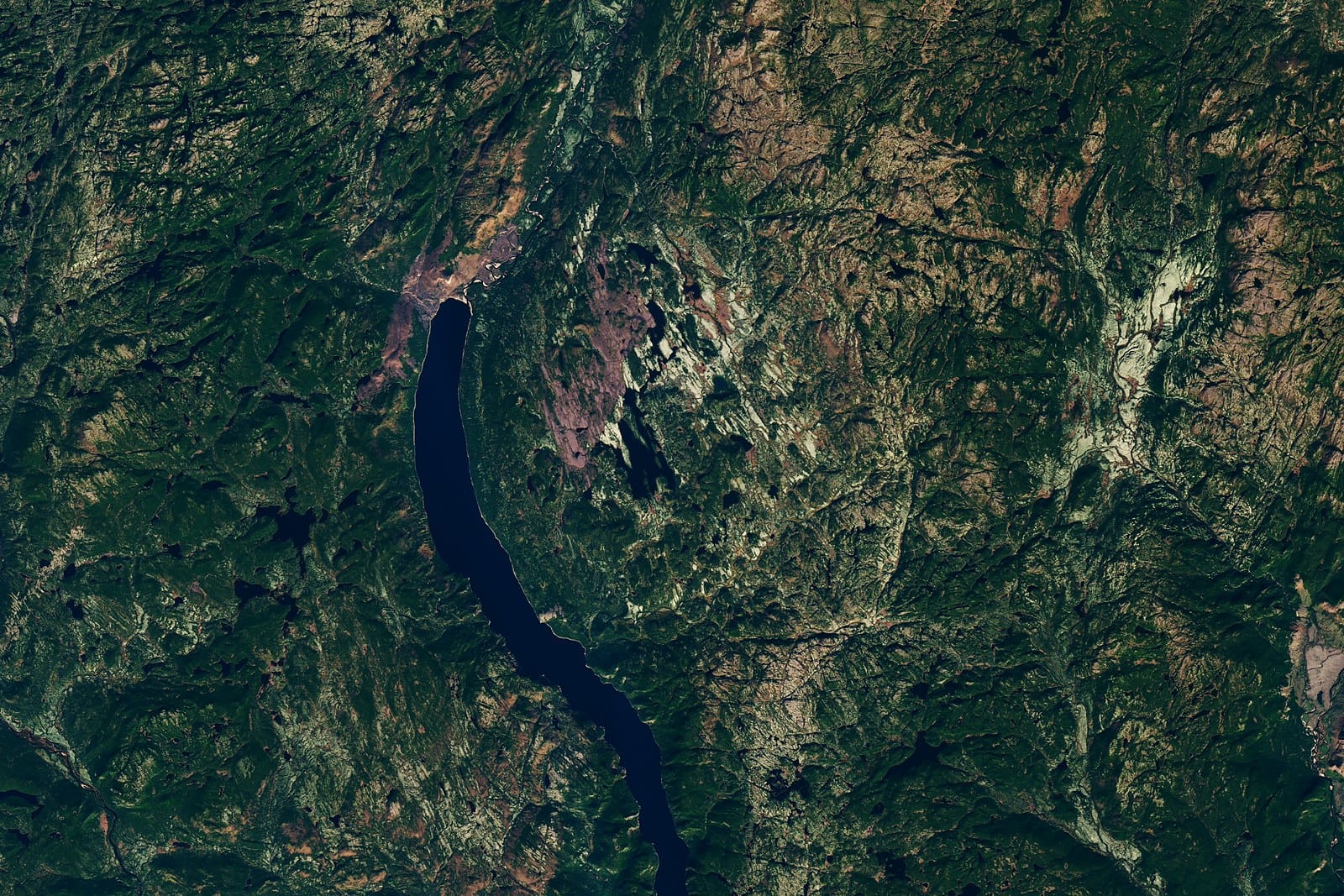 | Global Good News An amateur astronomer scrolling satellite maps for a camping spot in Quebec saw a circle that should not have been there. Two years later, geologists flew in and confirmed a crater that had been hiding in plain sight for 390 million years. Read the full story |
| 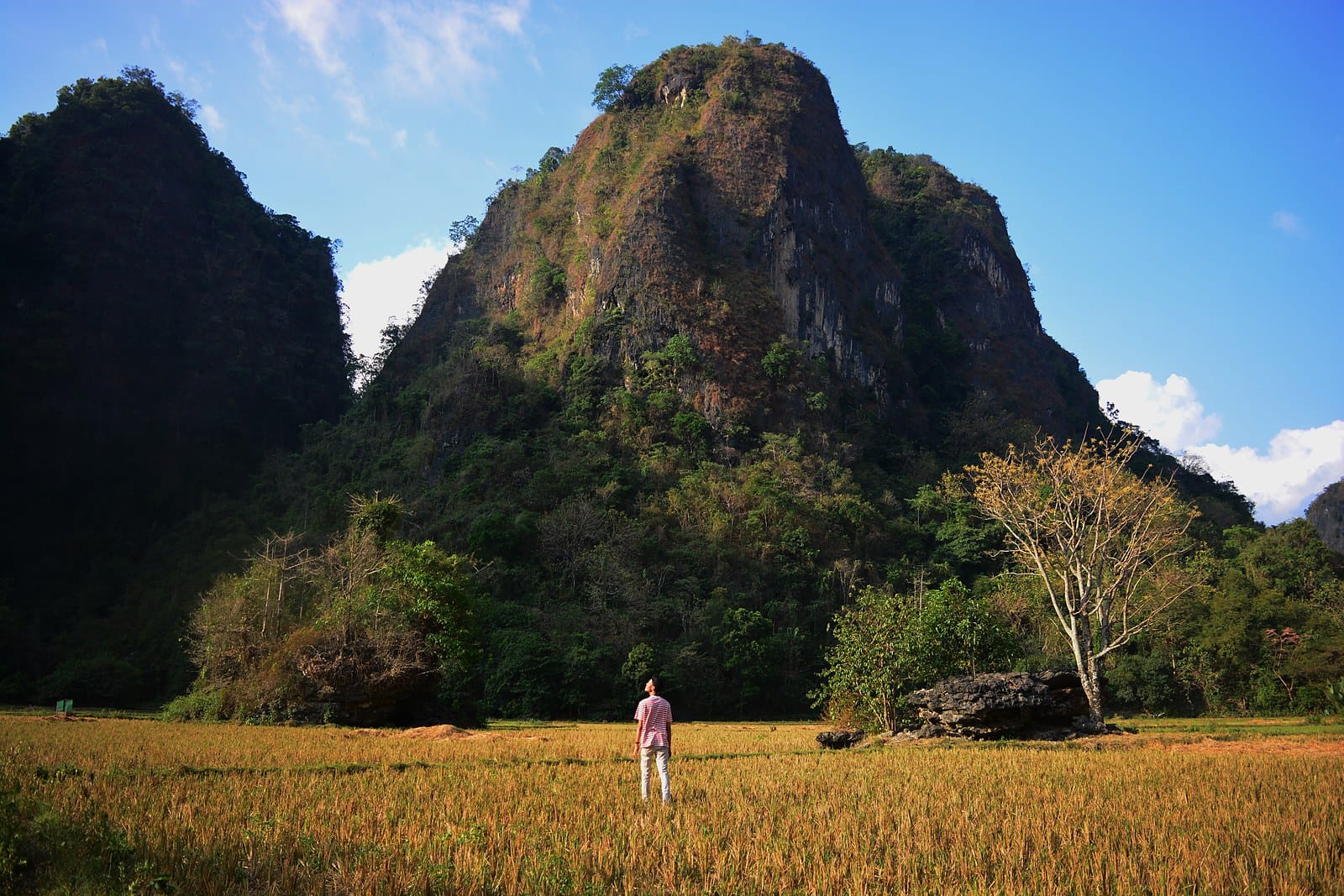 | Global Good News Two sets of ancient teeth from Sulawesi carry the same deep grooves and the same chemical trace, and Australian and Indonesian scientists say they tell of people chewing betel nut for comfort 25,000 years ago. Read the full story |
| 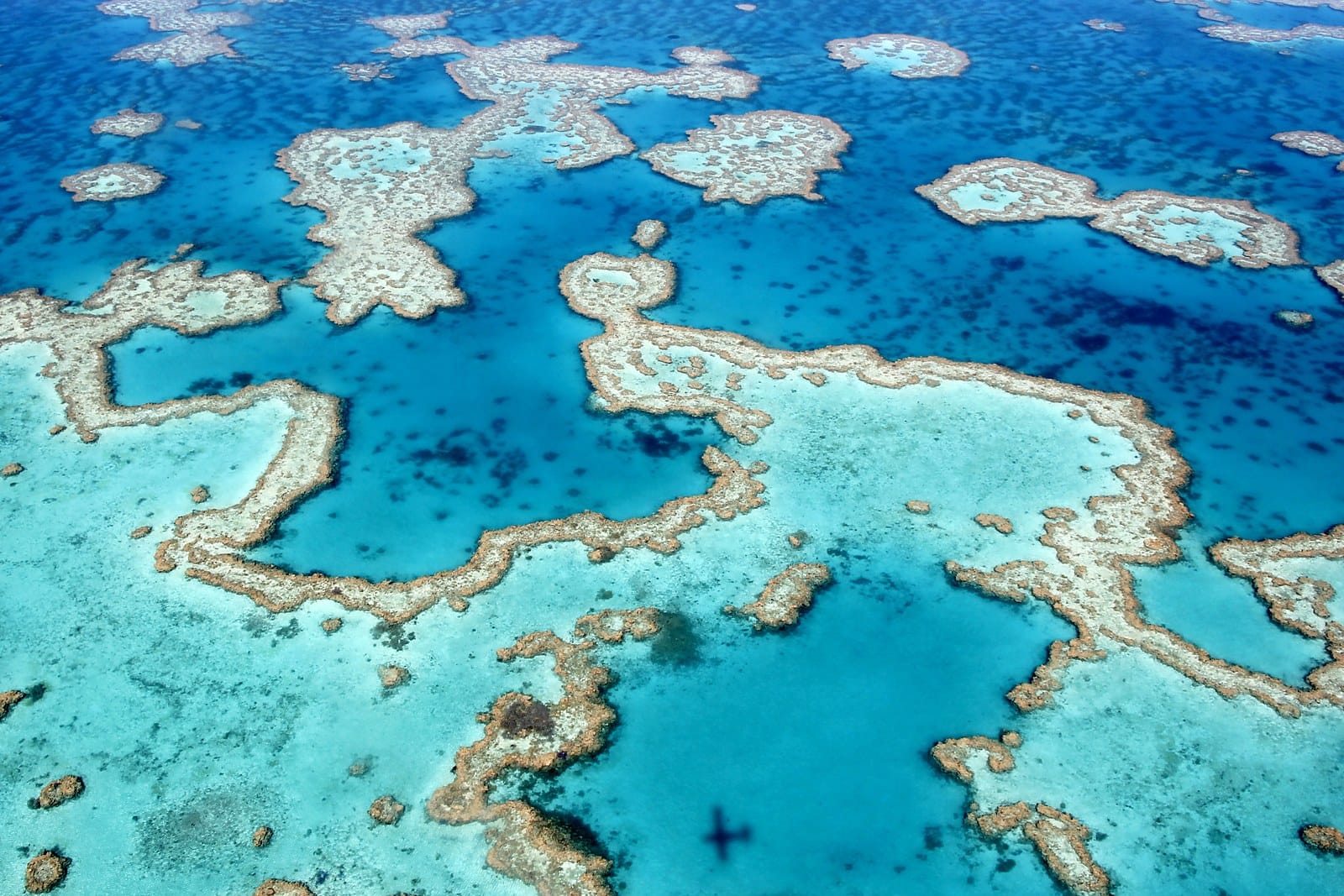 | Innovations Once a year the Great Barrier Reef spawns in a pink snowstorm, and most of that new life drifts away. A small clear box built by CSIRO and Southern Cross University holds it where it is needed, and the corals are settling in numbers nobody has managed before. Read the full story |
| Enjoyed this issue? Good news travels when people pass it on. Get our stories free every week, and send this issue to someone who will enjoy it as well. Every new subscriber keeps it going. Subscribe free Send to a friend Help us keep this publication going |
| Follow along on Instagram, Facebook and YouTube, we are @earthtoseanews on all three, with good news through the week. |
|