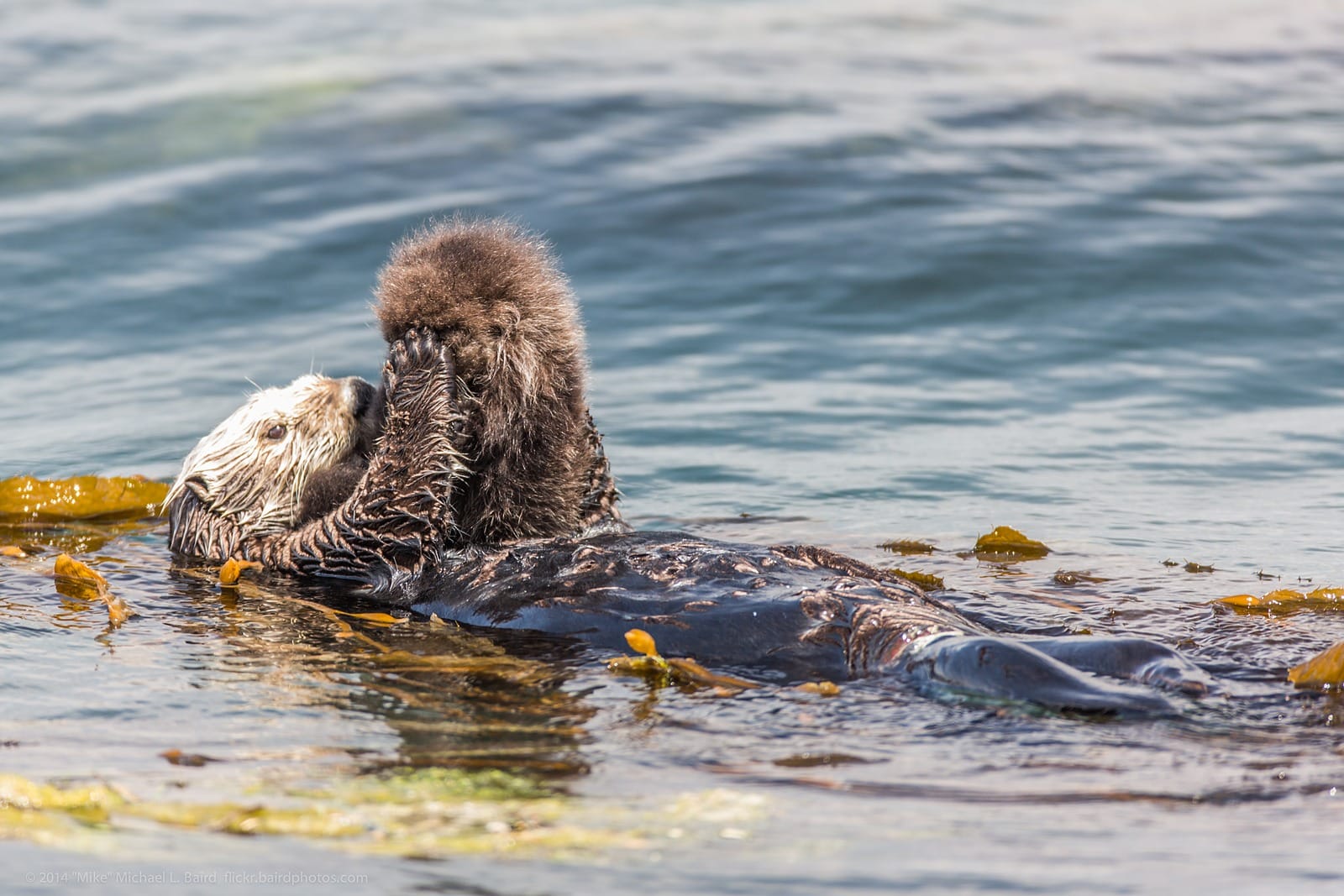
 | | A sea otter in a kelp bed, the same species that is back in Clayoquot Sound. Photo: Mike Baird, CC BY 2.0. Good morning. This week begins under the water off Tofino, where the Tla-o-qui-aht First Nation, a restoration society and a kelp grower are raising a forest on four long lines and the sea otters are helping. Then a Fijian village of 150 people that planted 18,000 corals, the newest octopus on Earth, blue and the size of a golf ball, a warbler on a volcanic island that turned out to be Japan's first new bird in 45 years, a young designer in Colombia who makes a prosthetic socket from a phone scan, a Northumberland beach where England's smallest seabird doubled a record that stood since 1994, and the Utah town that says beavers saved it. | 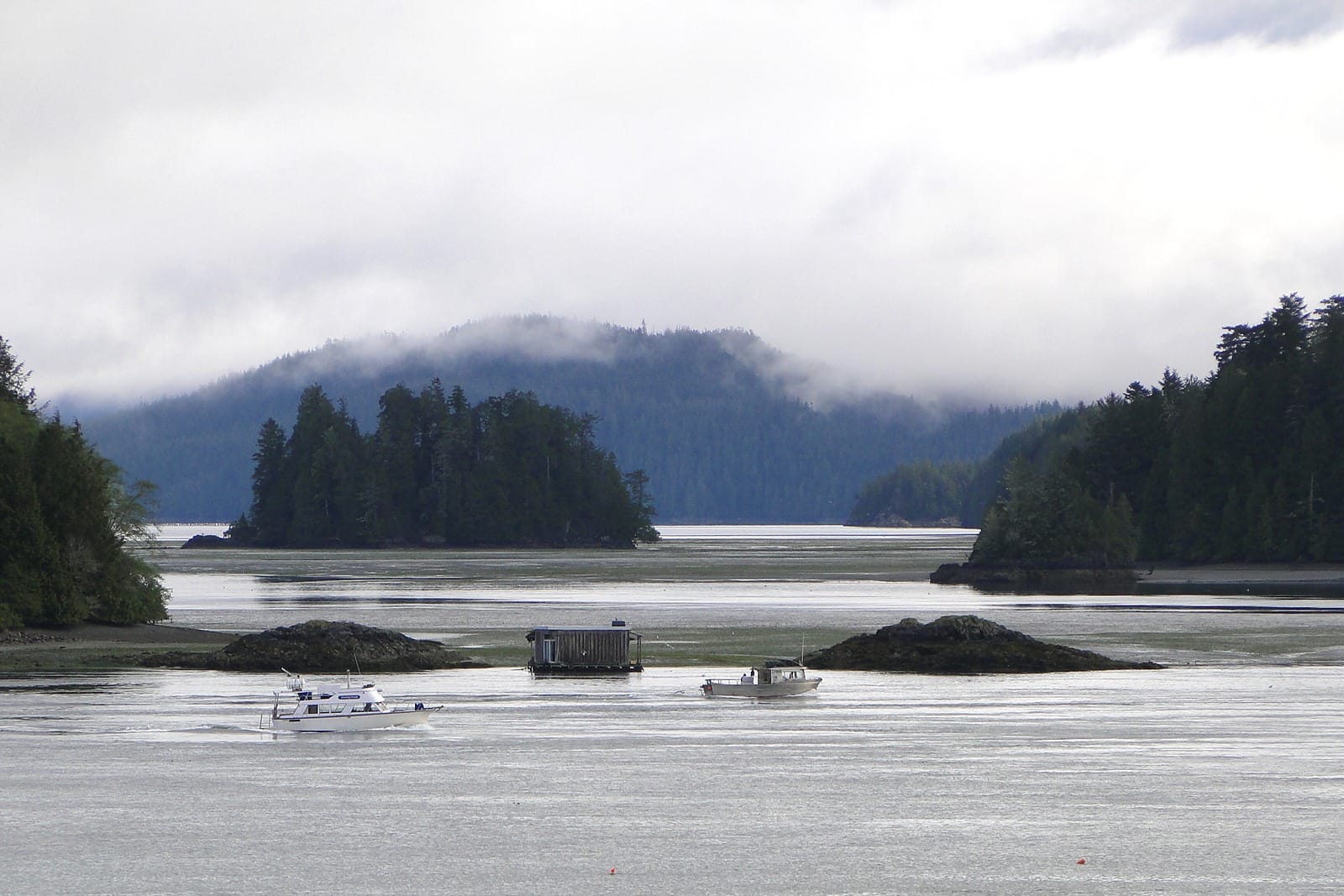 | Conservation In Tla-o-qui-aht waters off Tofino, guardians, scientists and a kelp grower are raising baby kelp on four long lines under the sea and planting it out so young salmon and herring have a forest again. About 1,500 sea otters, back after the fur trade, are helping. Read the full story |
| More good news | 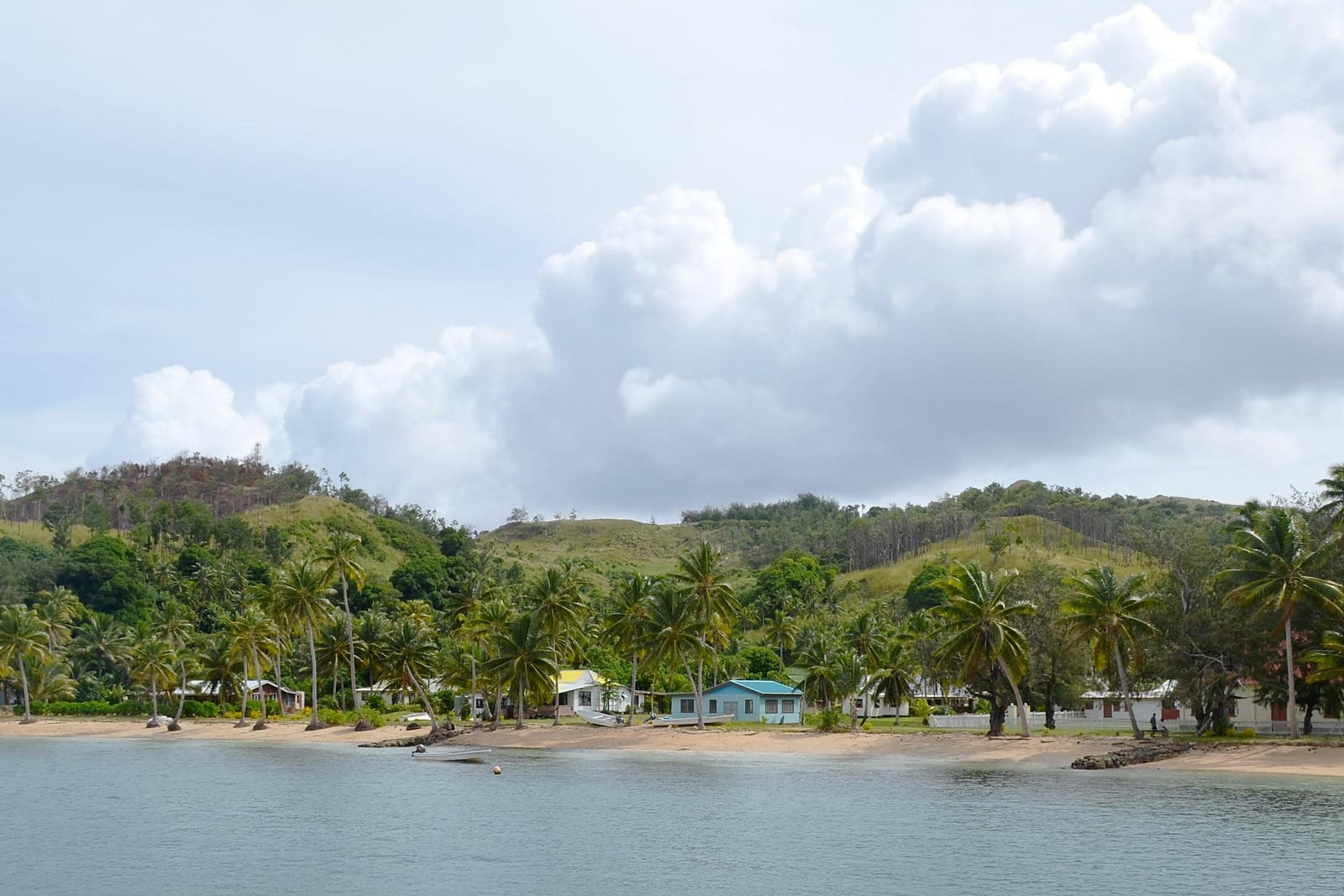 | Conservation Naidiri is 32 households on Fiji's Coral Coast. Since 2009 it has kept a stretch of its own sea closed to fishing, and in one year planted 18,000 corals and 10,000 mangroves. Now its youth group wants the protected line pushed further out. Read the full story |
| 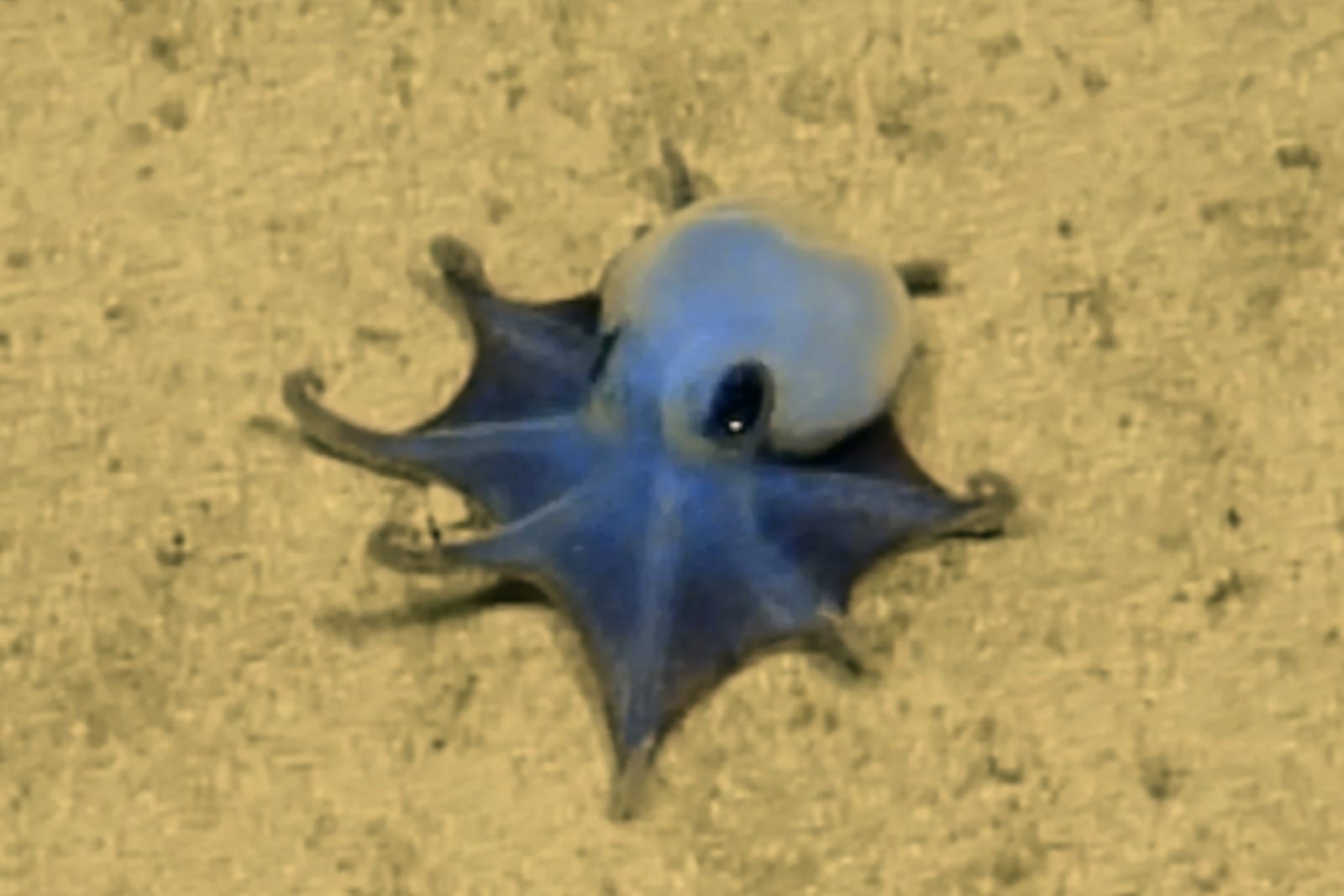 | Global Good News In 2015 a robot camera 1,773 metres down beside Darwin Island caught a small blue octopus crossing the sand, and the scientists watching live could not believe their eyes. This year it got its name, and was described whole, in thousands of X ray slices. Read the full story |
| 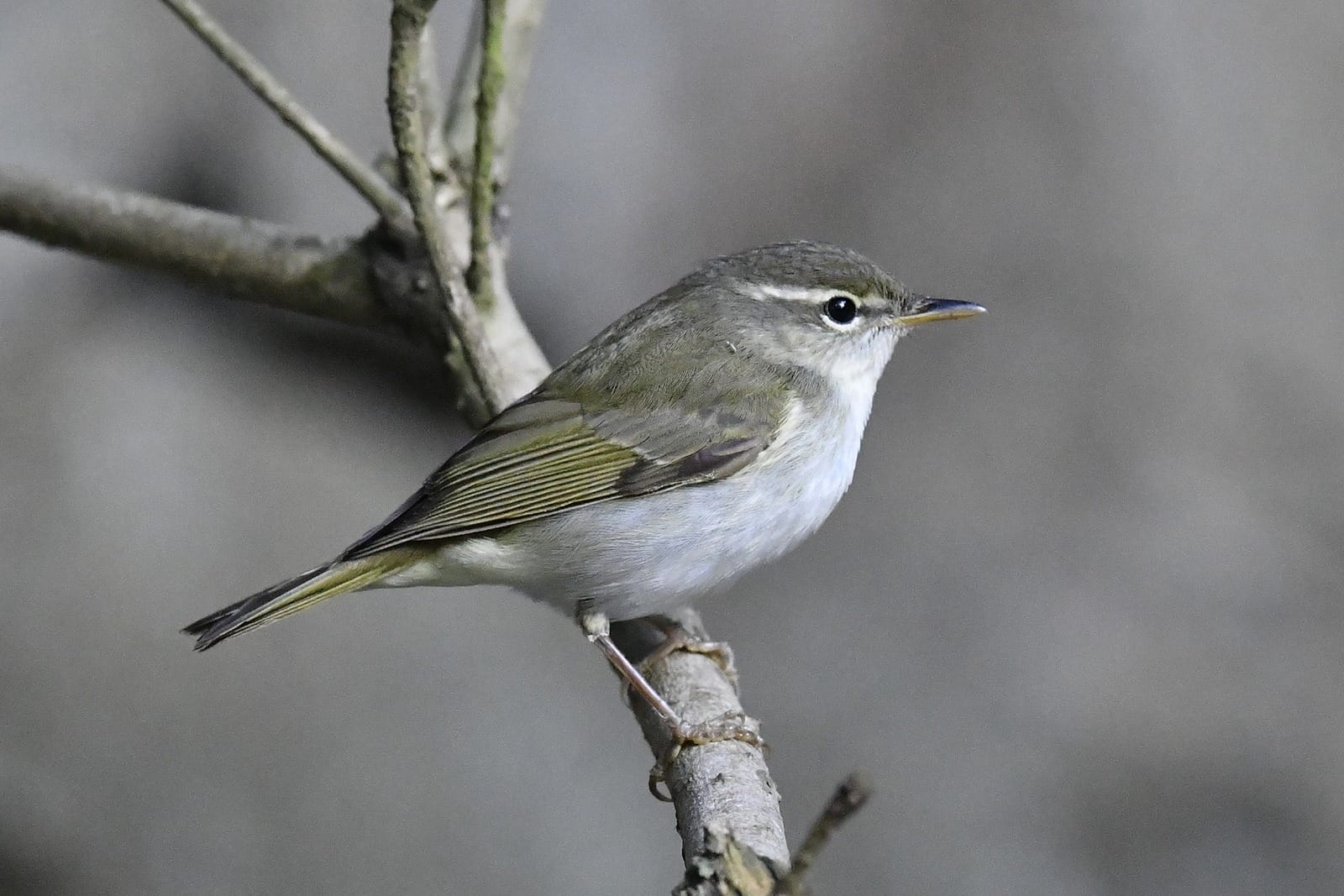 | Global Good News Between Yakushima and Amami, the Tokara Islands are twelve specks of volcanic rock with a ferry twice a week. A small olive warbler that sings there every spring is now its own species, Japan's first new bird in 45 years, told apart by its genes and its song. Read the full story |
| 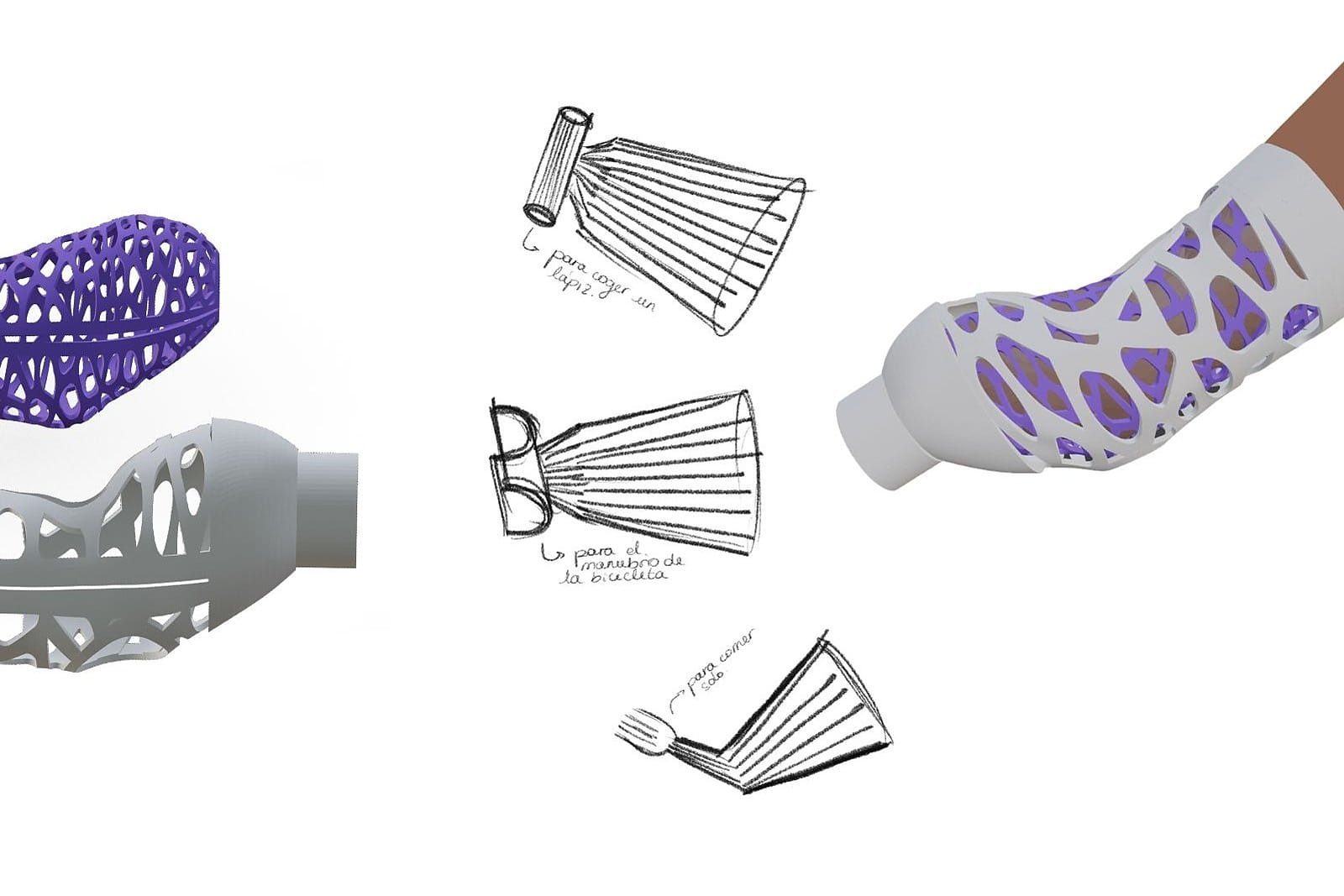 | Innovations Fitting a prosthetic arm begins with the socket, and that is slow, skilled work. Laura Echeverri Giraldo of Pereira has won Colombia's James Dyson Award for a system that does it from a phone scan, cuts eight hours of design to one, and prints it in the person's own town. Read the full story |
| 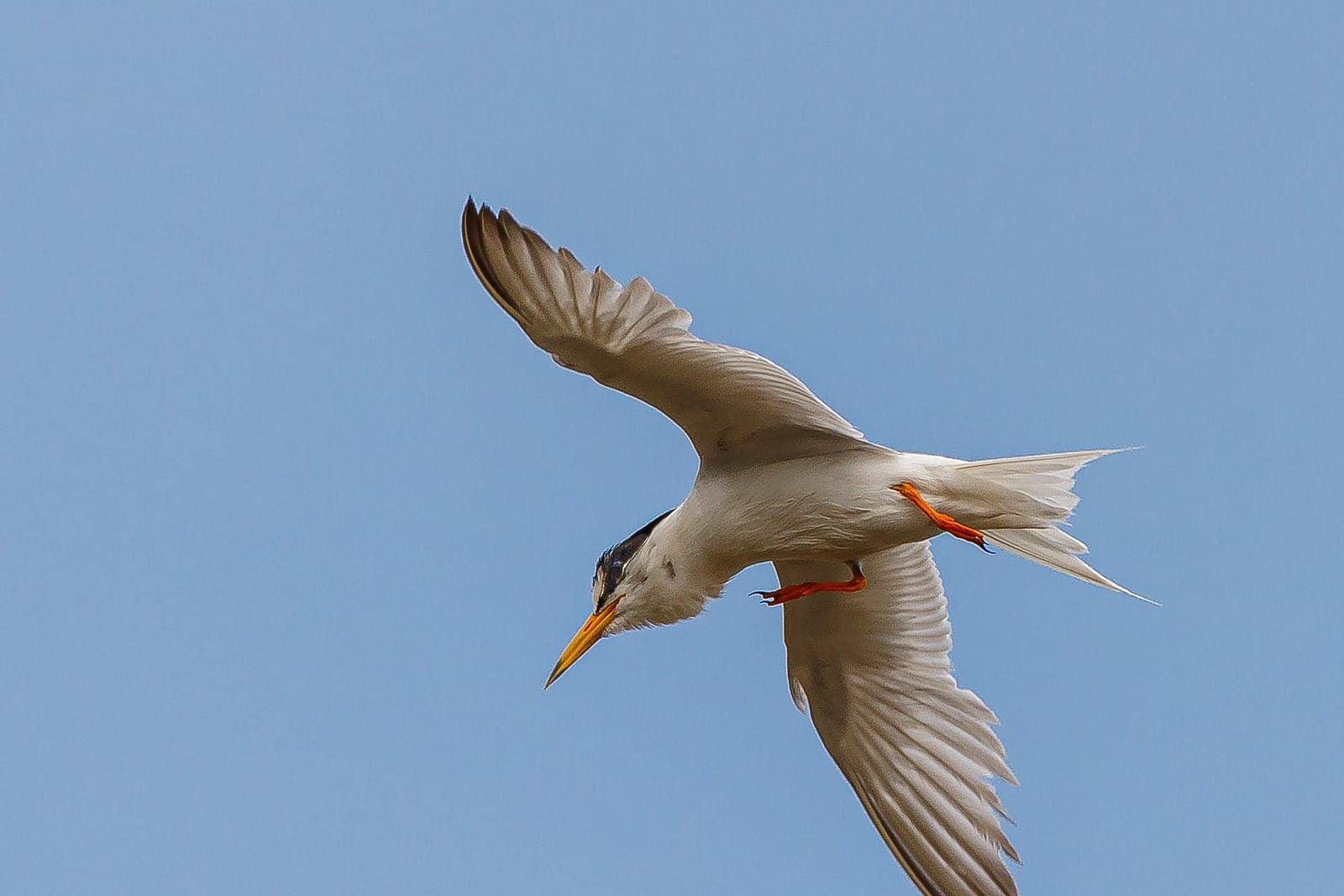 | Conservation At Long Nanny on the Northumberland coast, National Trust rangers kept watch over the dunes day and night all summer, and 126 pairs of little terns nested there, more than double the 1994 record. At Blakeney Point, a thousand pairs of sandwich terns came back after two years away. Read the full story |
| 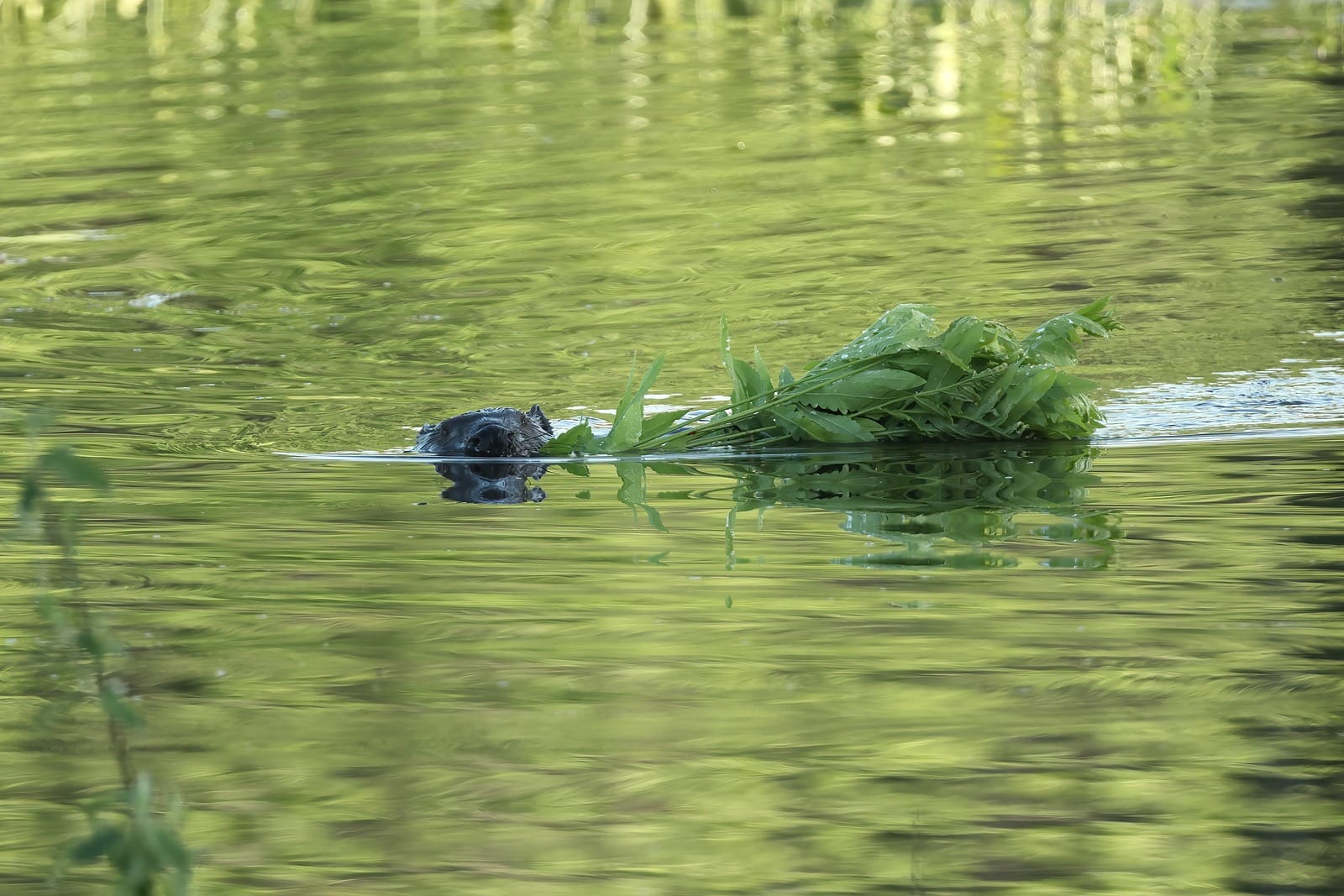 | Global Good News Helper is an old railway town in the Utah desert, and the Price River through it used to shrink to a trickle. In 2019 a Utah State University student began moving beavers there. Six years on the river runs all year, the fish are back, and the town floats down it all summer. Read the full story |
| Enjoyed this issue? Good news travels when people pass it on. Get our stories free every week, and send this issue to someone who will enjoy it as well. Every new subscriber keeps it going. Subscribe free Send to a friend Help us keep this publication going |
| Follow along on Instagram, Facebook and YouTube, we are @earthtoseanews on all three, with good news through the week. |
|