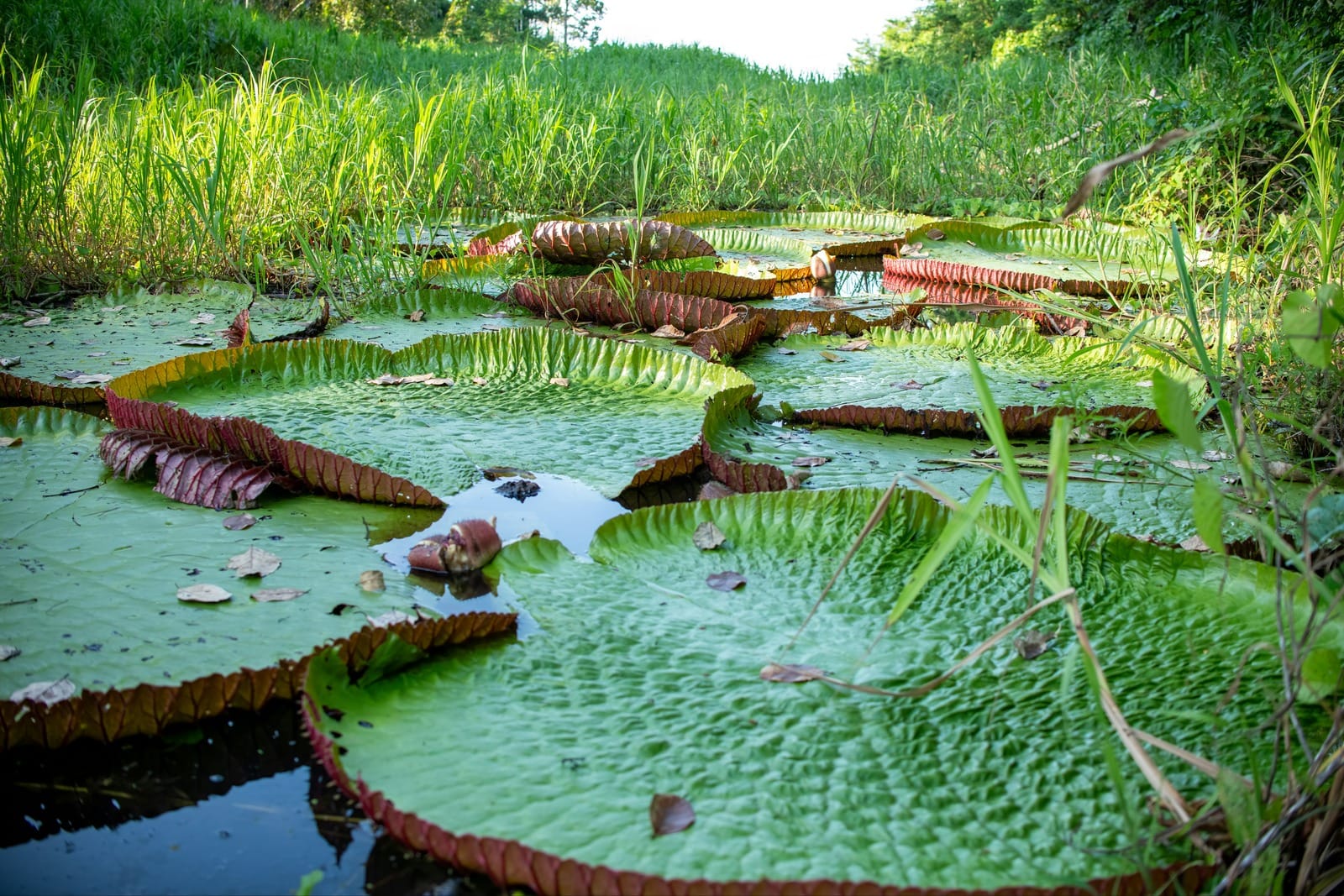
 | | Giant waterlily pads, the Amazon cousins of the new species, near Iquitos on the Peruvian Amazon. Photo: Unsplash. Good morning. This week begins on a river in eastern Colombia, where a giant waterlily nobody had named was spotted in the background of an Instagram photo and found after a night on the water. Then a Sunday at Woytopia on the Central Coast, where the plates came back and a tree gave us the afternoon, two days before World Food Day. After that, the coral reef a drill found three kilometres under outback Queensland, two Great Indian Bustards walking out into the Thar Desert after a ten year wait, and the pond alga that became a switch for the brain and a Nobel Prize. | 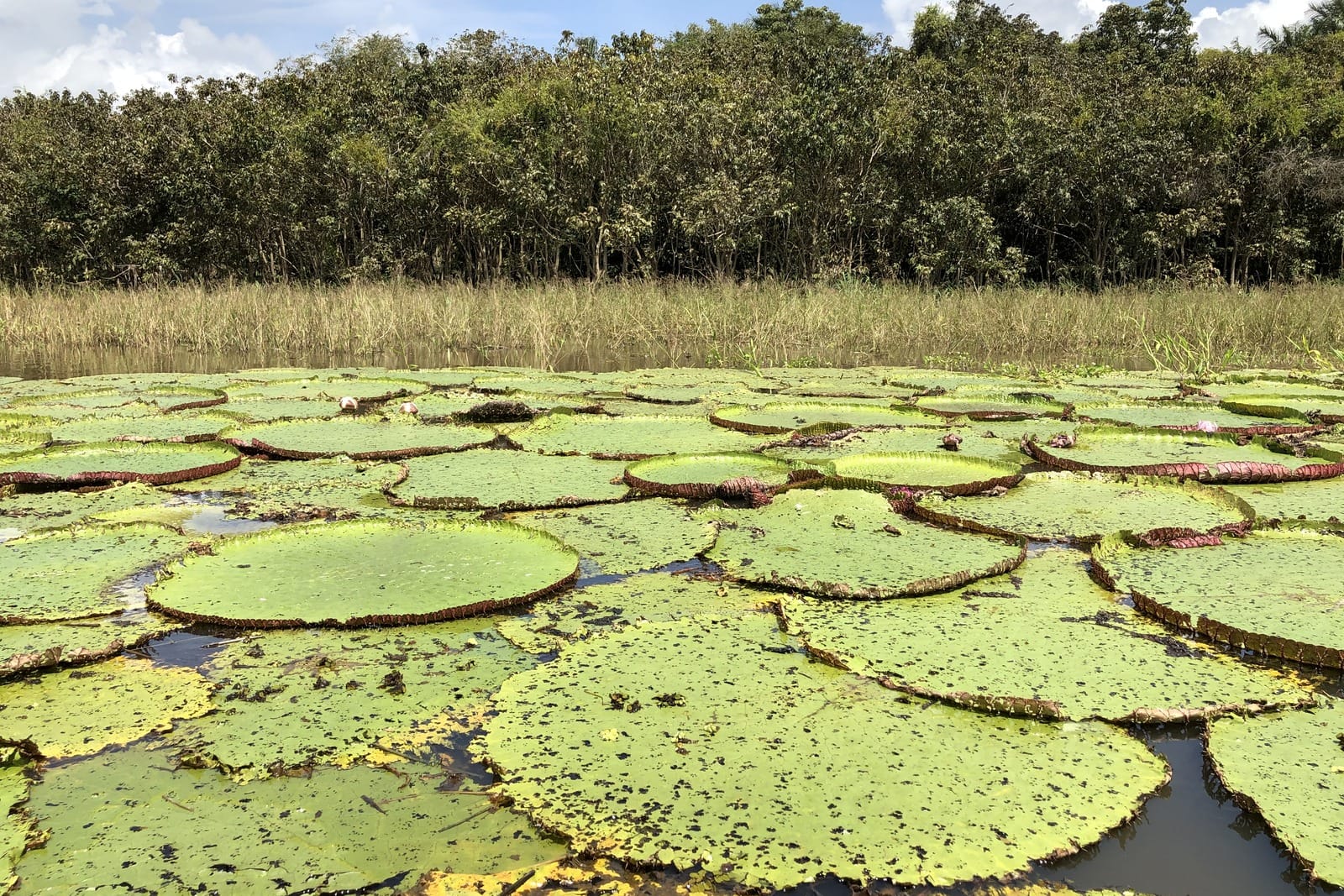 | Global Good News In 2021 a Colorado nursery owner posted a photo of himself beside some very large lily pads on a river in eastern Colombia. At Kew, Carlos Magdalena knew no giant waterlily had ever been recorded there. A satellite search and one night boat ride later, Victoria colombiana has a name. Read the full story |
| More good news | 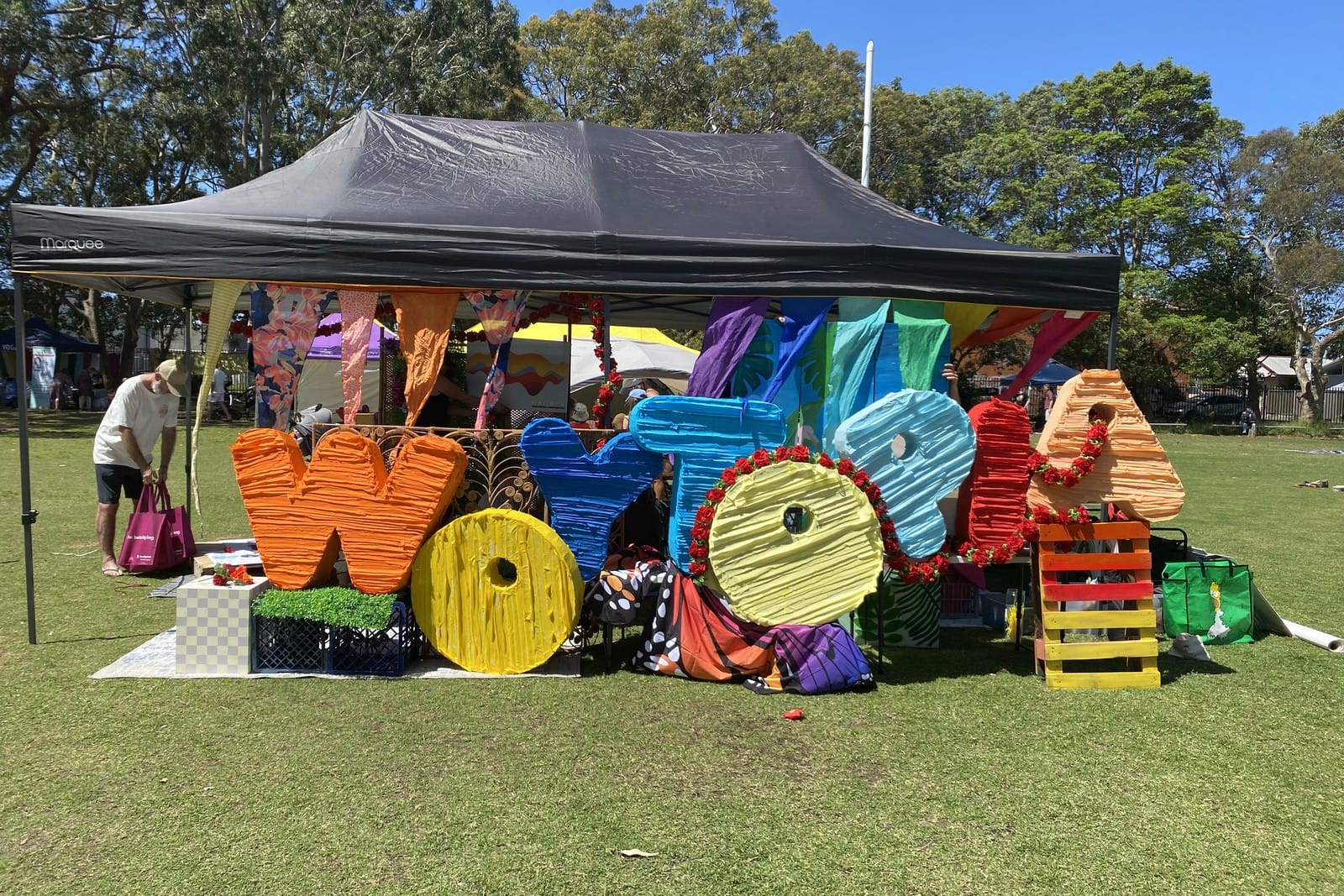 | Sustainable Living We caught the train up the coast on a spring Sunday for Woytopia, the free sustainable living festival the Peninsula Environment Group has run with volunteers since 2008. Here is the day as we lived it, from the first plate to the last tree. Read the full story |
| 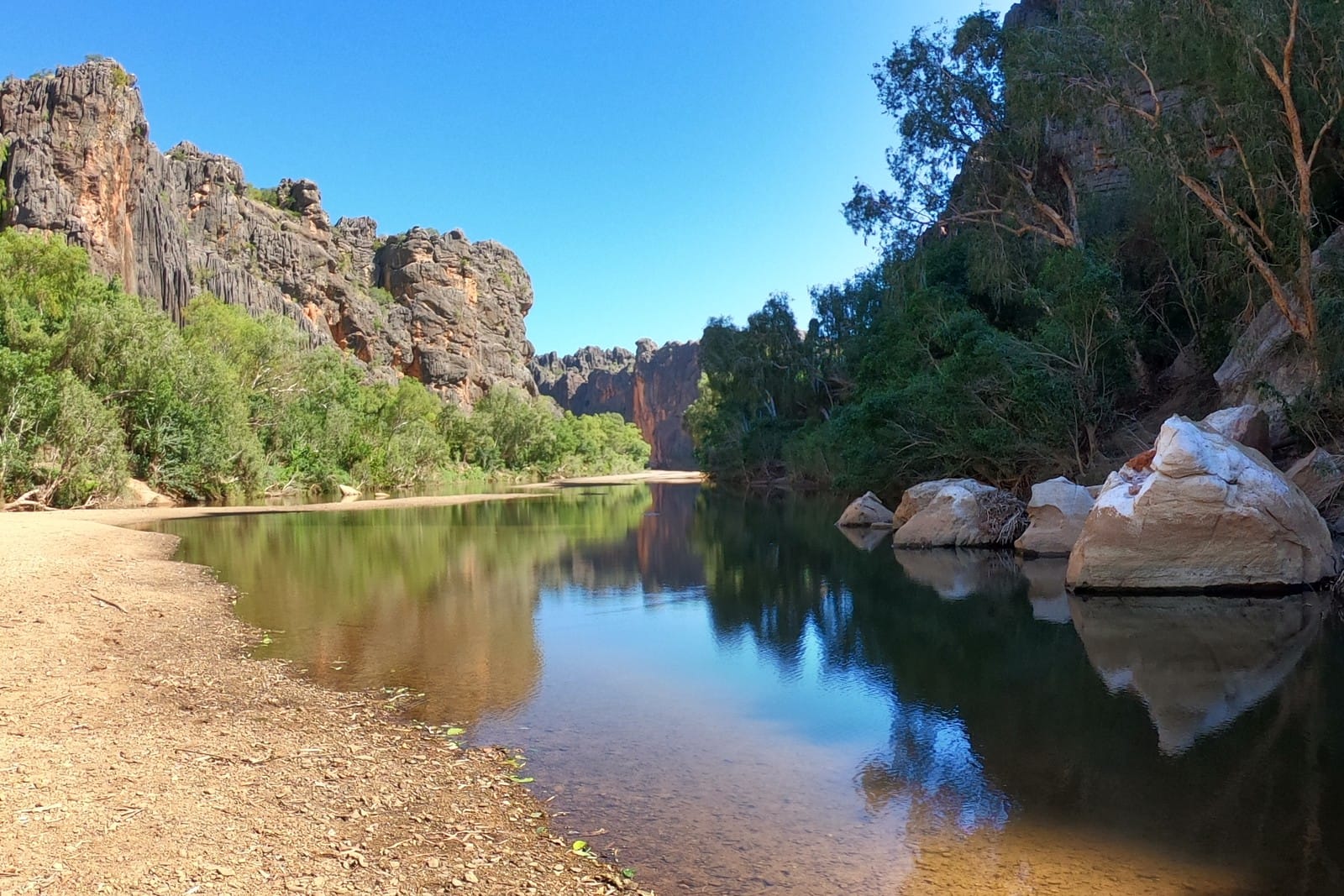 | Nature About 63 kilometres south east of Blackall, Geoscience Australia drilled three kilometres down looking for rock salt. What came up instead was nearly a kilometre of core packed with fossil corals, sponges, trilobites and ammonites from a reef more than 325 million years old. Read the full story |
| 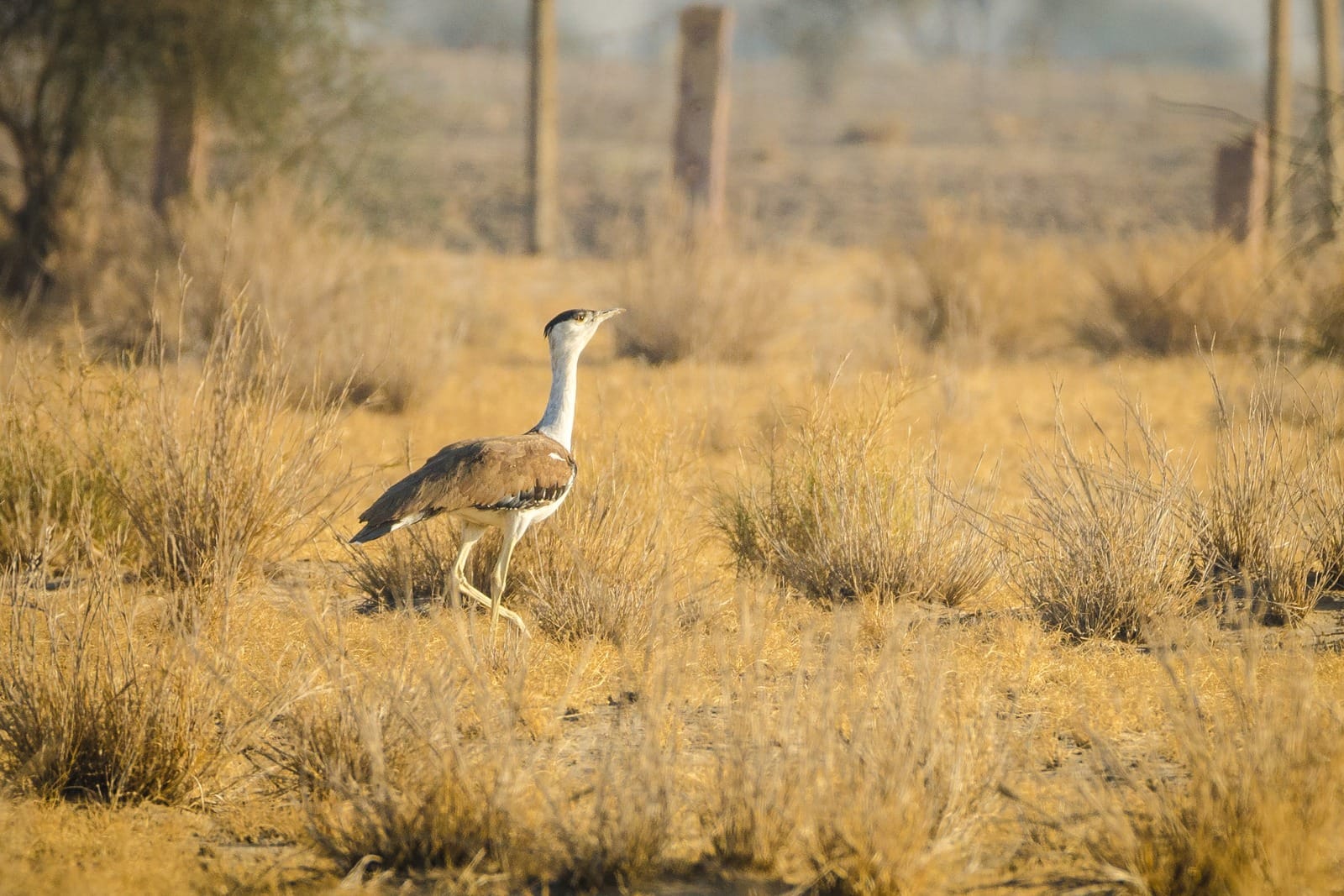 | Wildlife On a Sunday morning in Rajasthan's Thar Desert, two young male Great Indian Bustards, hatched and raised by people, walked out of a soft release pen in Desert National Park and into the wild. Ten years of patient work came down to those first free steps, with 97 more birds growing up behind them. Read the full story |
| 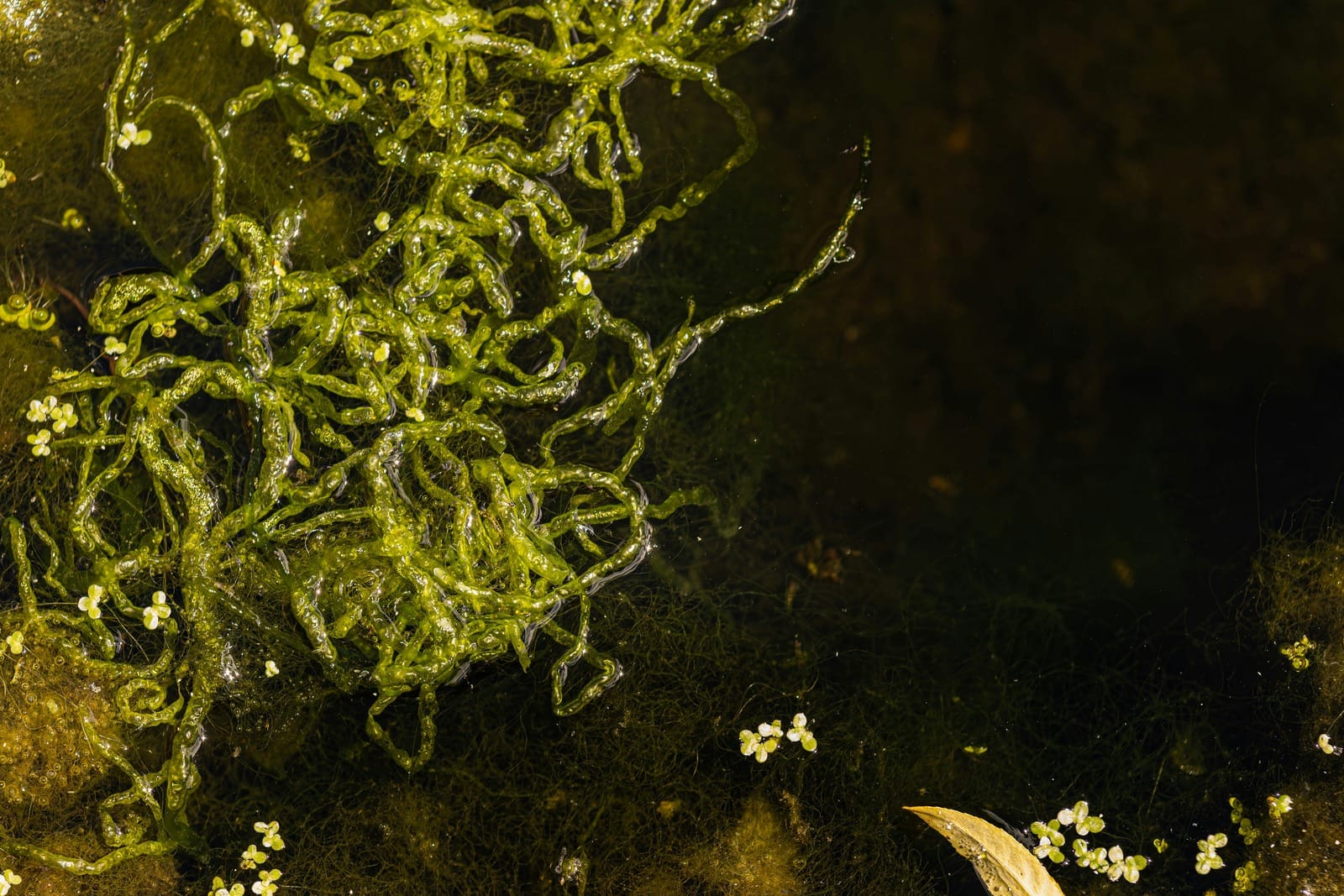 | Innovations Peter Hegemann simply wanted to know how a single celled pond alga finds the light. Thirty years on, the protein he and Georg Nagel found, and that Karl Deisseroth slipped into nerve cells, has won the 2026 Nobel Prize in Medicine. In Basel, eye doctors are already giving a little sight back. Read the full story |
| Enjoyed this issue? Good news travels when people pass it on. Get our stories free every week, and send this issue to someone who will enjoy it as well. Every new subscriber keeps it going. Subscribe free Send to a friend Help us keep this publication going |
| Follow along on Instagram, Facebook and YouTube, we are @earthtoseanews on all three, with good news through the week. |
|