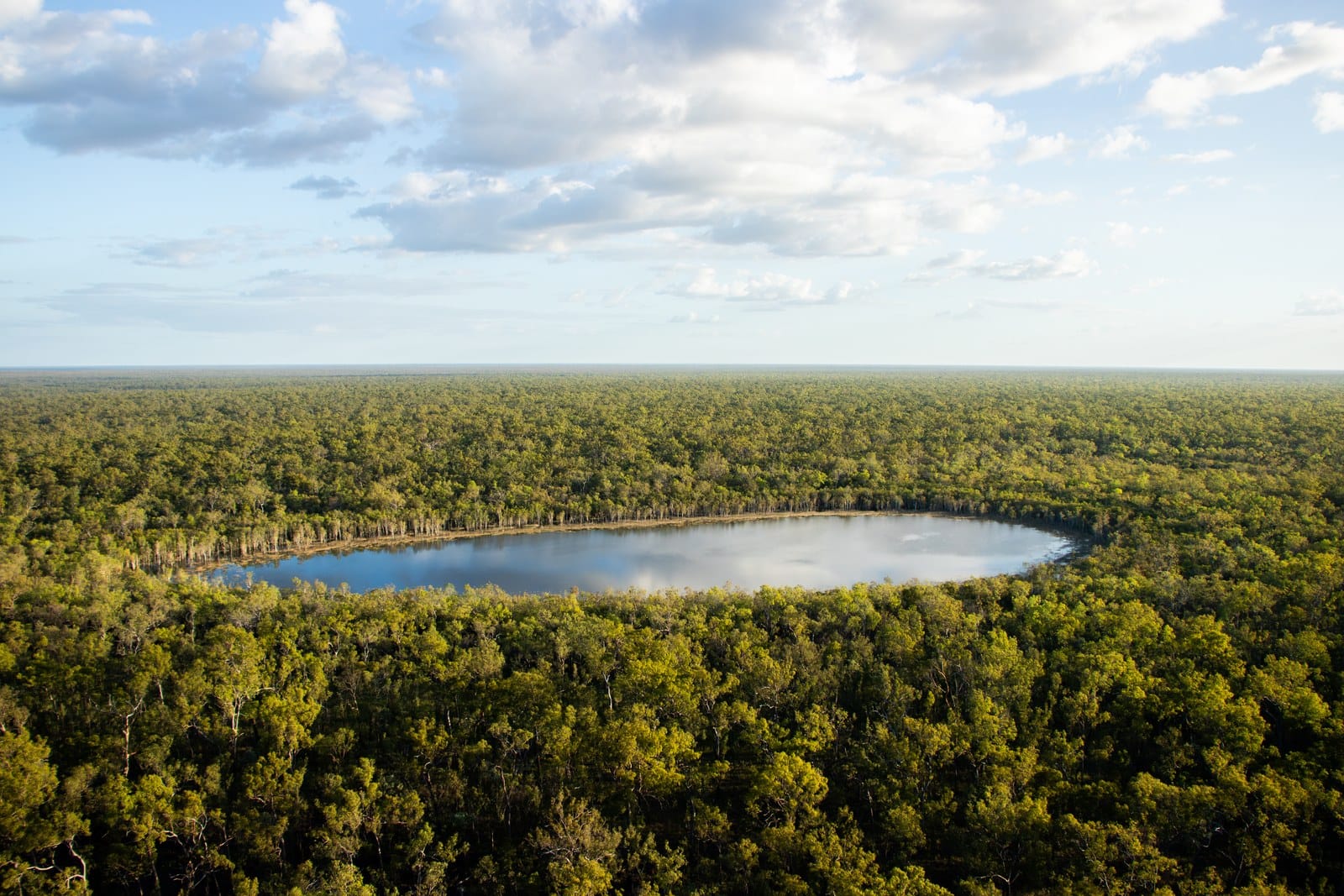
 | | A lagoon ringed by woodland on Kendall River Station, Cape York Peninsula. Photo: Justine Hausheer, The Nature Conservancy. Good morning. This week begins in the far north of Queensland, where two stations on the Gulf Plains and one on Cape York Peninsula, almost 396,000 hectares of wetlands, waterholes and savanna, are joining the protected area network. Then the mala back to nearly 500 at Uluru, a lost Amazon civilisation found by laser from the air, three Barkandji women taking a bush medicine to the lab on their own terms, three zoo born red wolf pups accepted by a wild mother, the bogong moths back in their billions, Gunlom Falls open again on Jawoyn terms, and a sanctuary in Dural fed twice a week by a grocer's leftovers. | 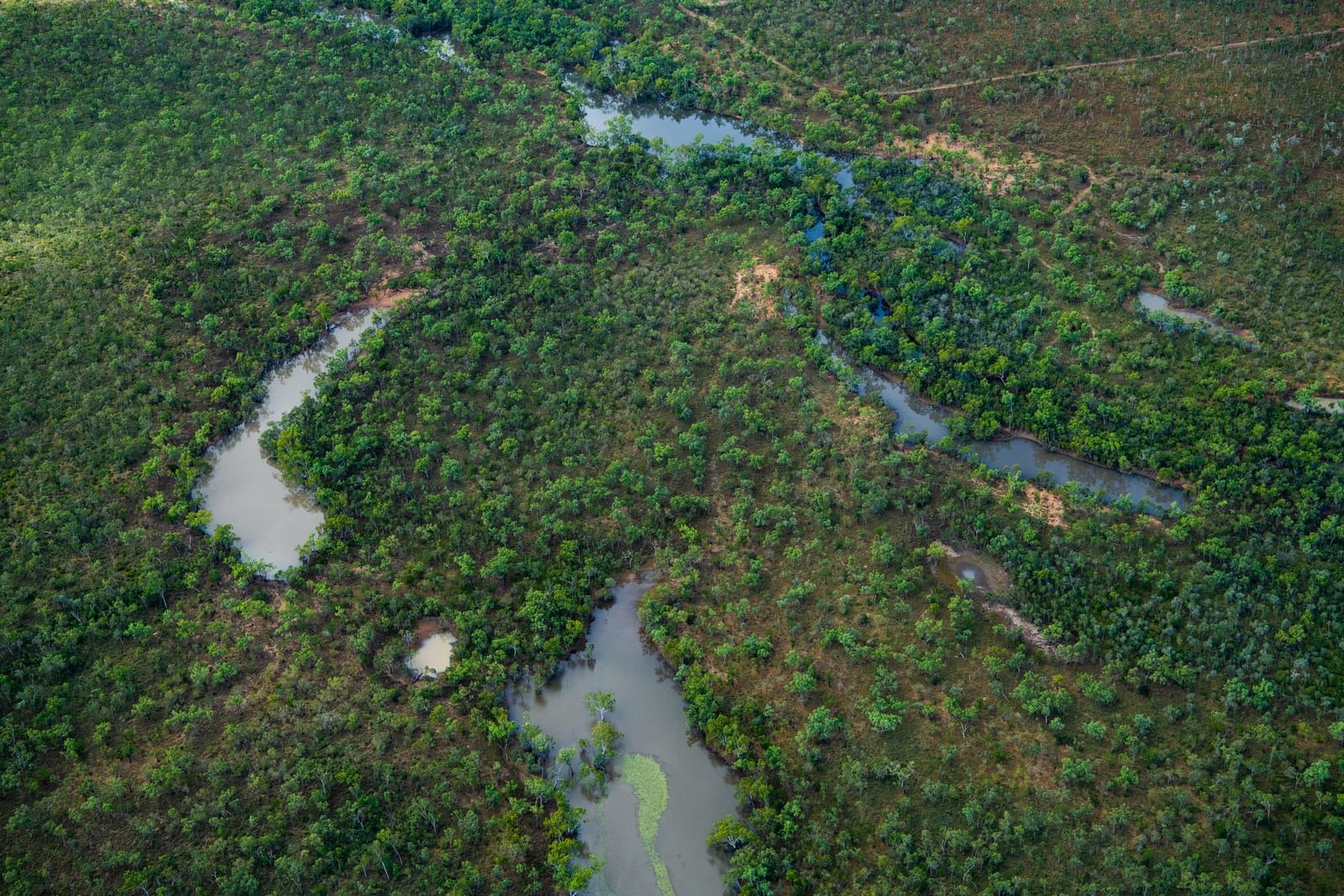 | Conservation Two stations on the Gulf Plains and one on Cape York Peninsula, almost 396,000 hectares of wetlands, waterholes and savanna woodland, are joining Australia's protected area network. Queensland bought them with The Nature Conservancy and two philanthropic partners. Read the full story |
| More good news | 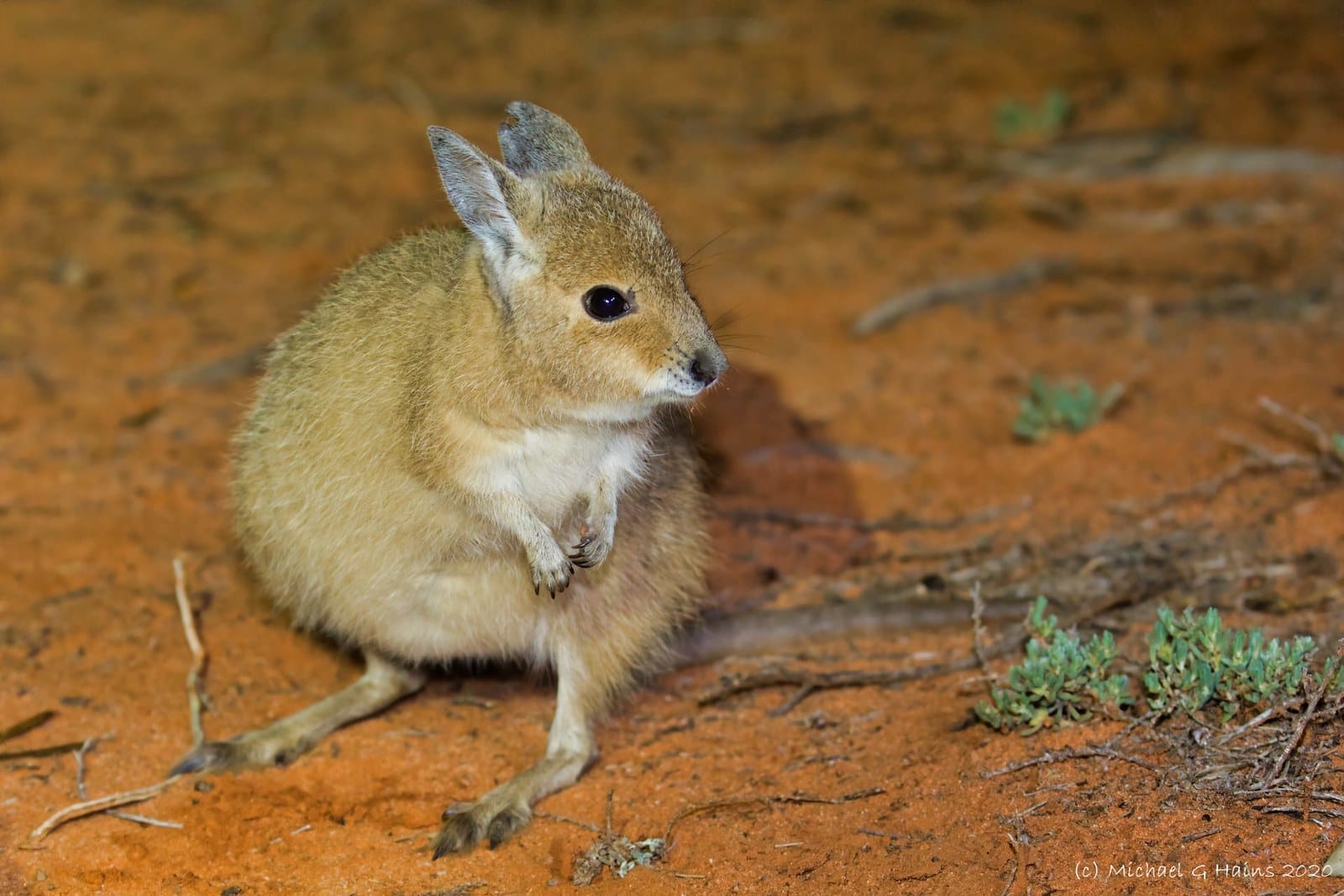 | Conservation Mala, the rufous hare wallaby, vanished from the wild in 1991. Twenty four were brought home to Uluru in 2005. This May, Anangu, Mala Rangers and park staff counted them at nearly 500. Read the full story |
| 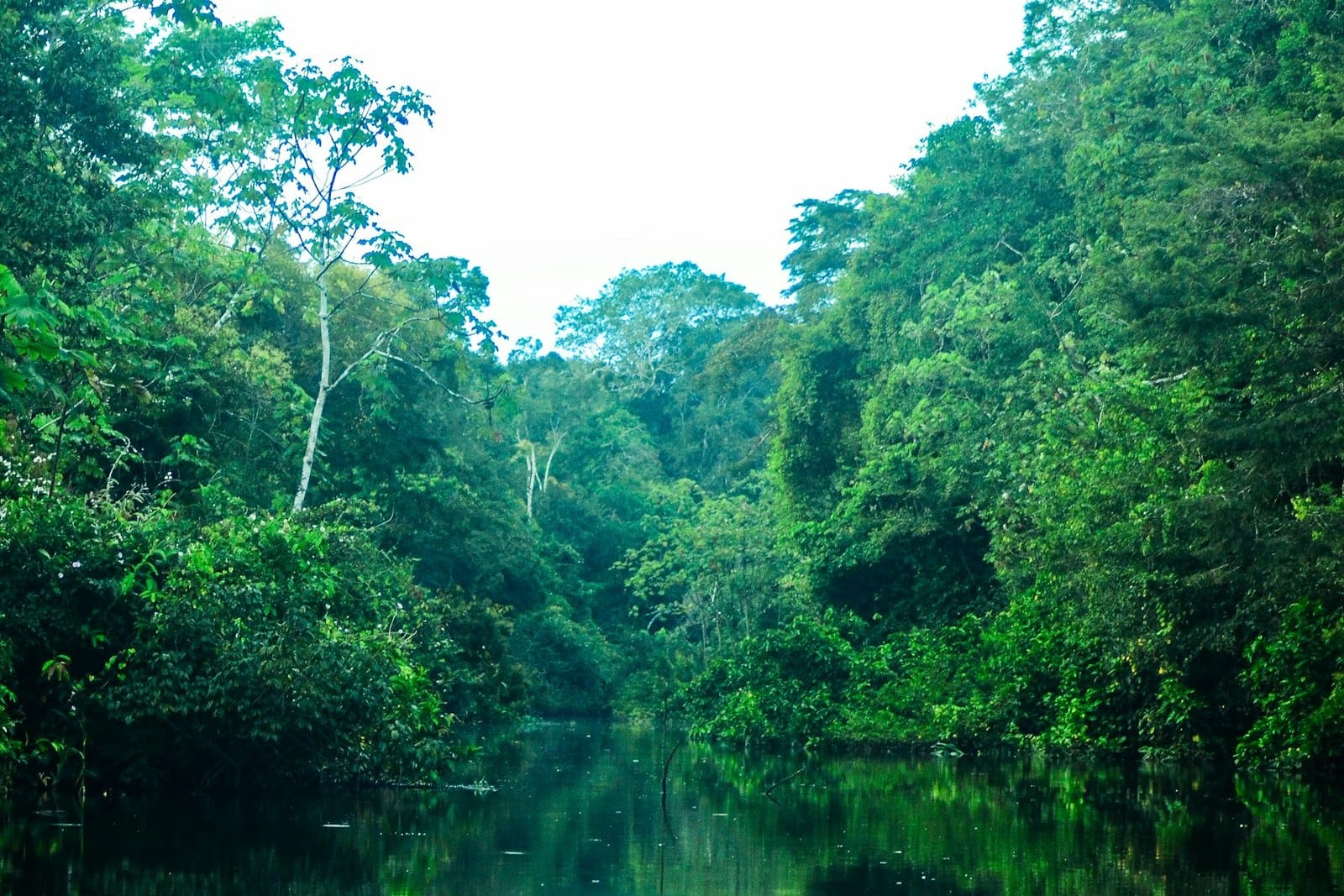 | Global Good News Fly a laser scanner over the rainforest of Acre in western Brazil and the ground underneath gives up its secrets: ring after ring of ditches and banks, dug by a people archaeologists now call the Aquiry, who may have numbered three million at their height. Read the full story |
| 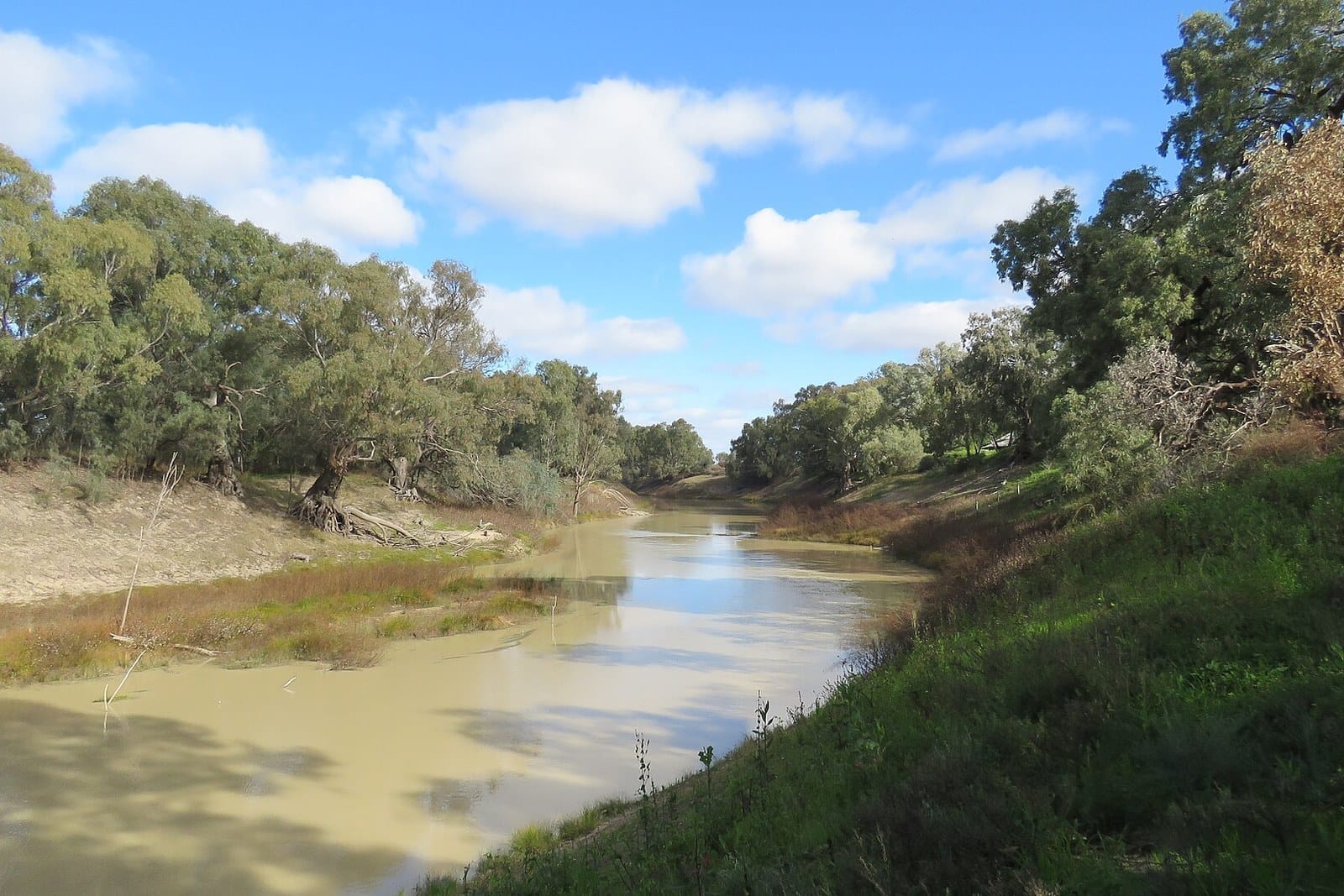 | Innovations Paaru Natural Products was founded by three Malyangapa and Barkandji women on medicinal plant knowledge handed down through their mothers' lines. With CSIRO they have turned it into a process six times more efficient, and the plant's identity never left the room. Read the full story |
| 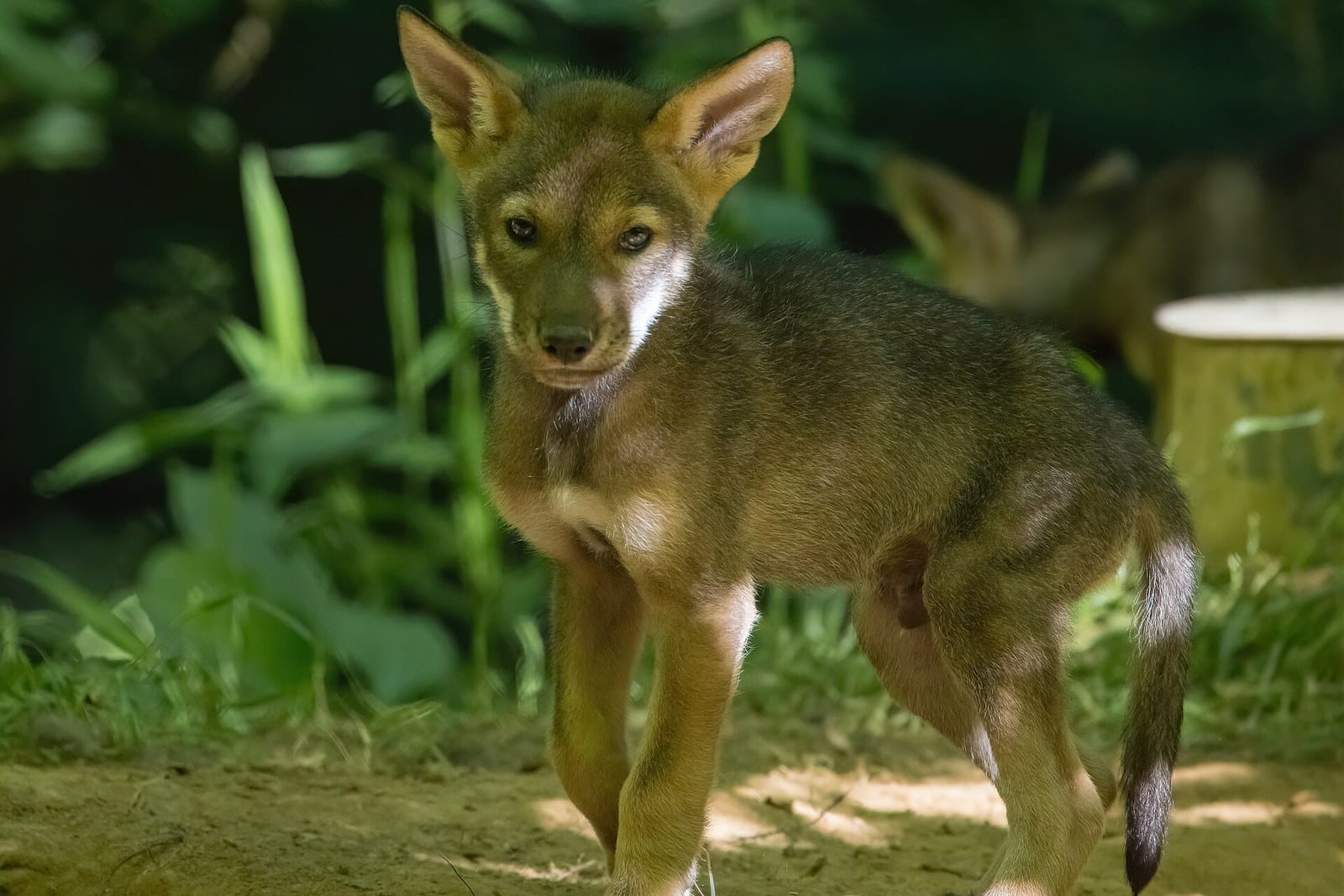 | Conservation America's rarest wolf lives wild in one corner of North Carolina, fewer than forty animals in all. In April three pups born at a zoo in Missouri were placed in a wild mother's den at seven days old. Months later, the cameras found all three alive and growing. Read the full story |
| 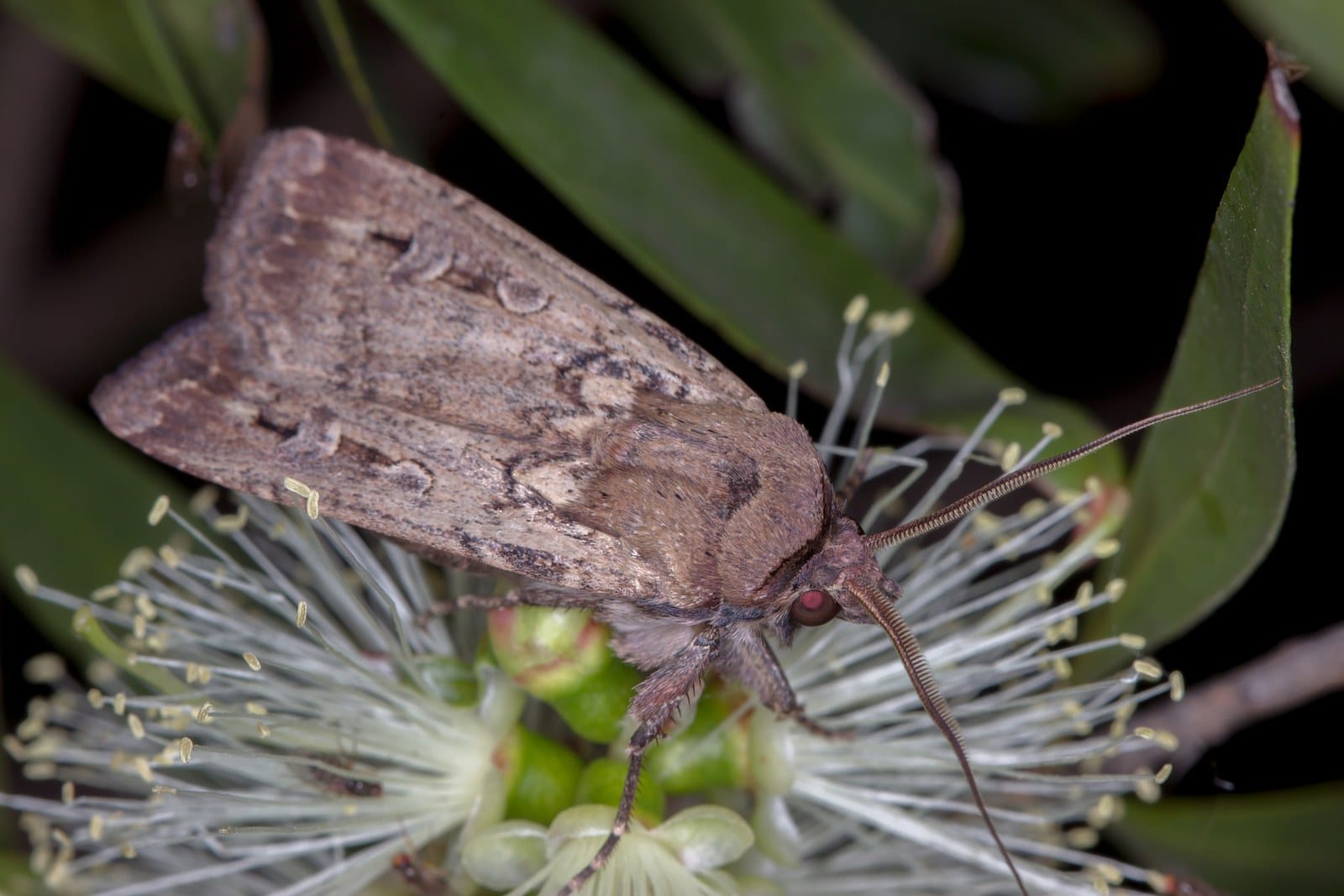 | Conservation In 2017 the bogong moths all but vanished. People who climbed into the alpine caves that spring found bare rock. This October the moths are back in their billions, and at Zoos Victoria there have been happy tears. Read the full story |
| 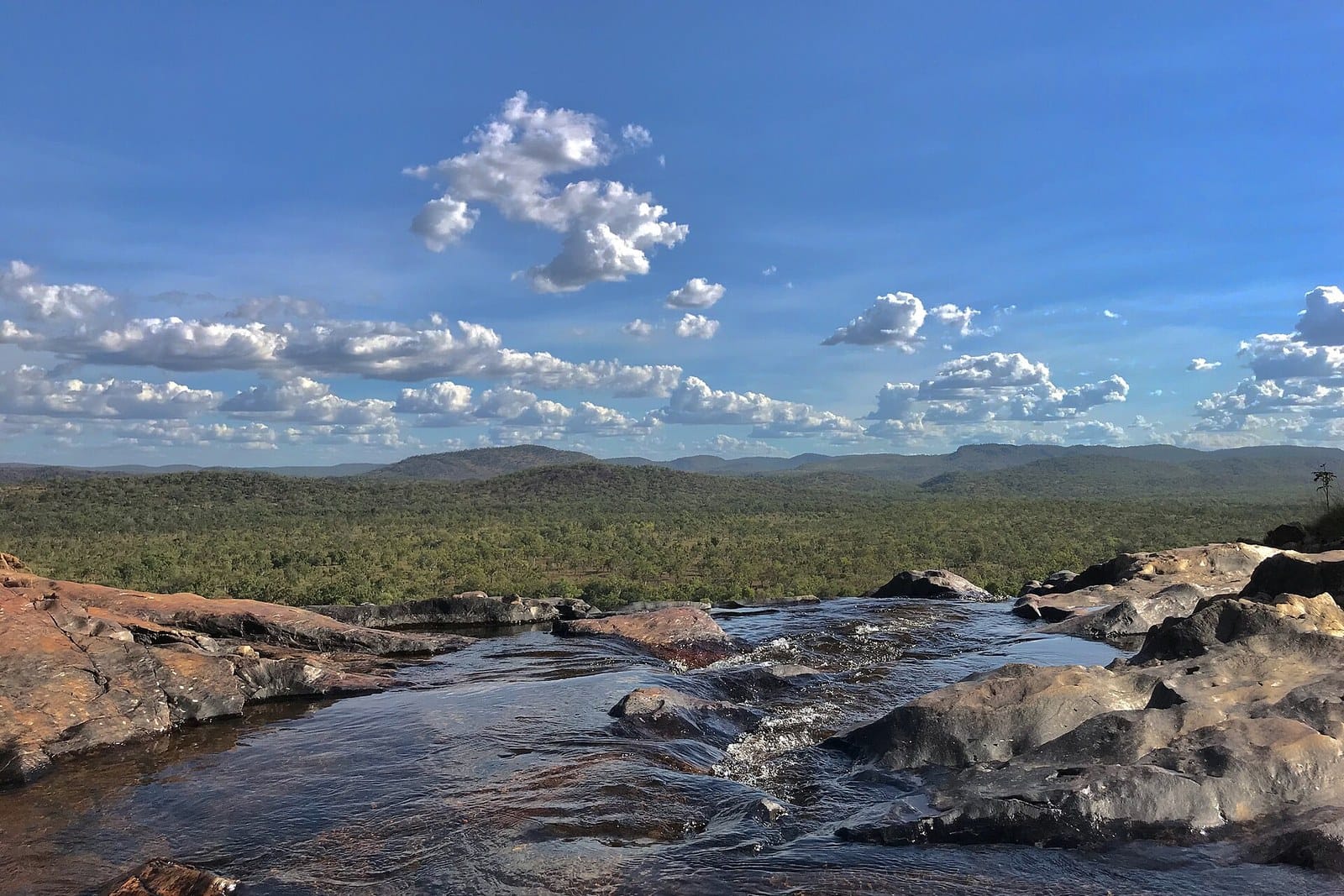 | Explore Gunlom is the waterfall everyone knows, an 85 metre drop with a natural pool at the top looking out over Kakadu. It closed in 2019 and stayed closed for almost six years. On 1 July it opened again, and the reason it took that long is the best part of the story. Read the full story |
| 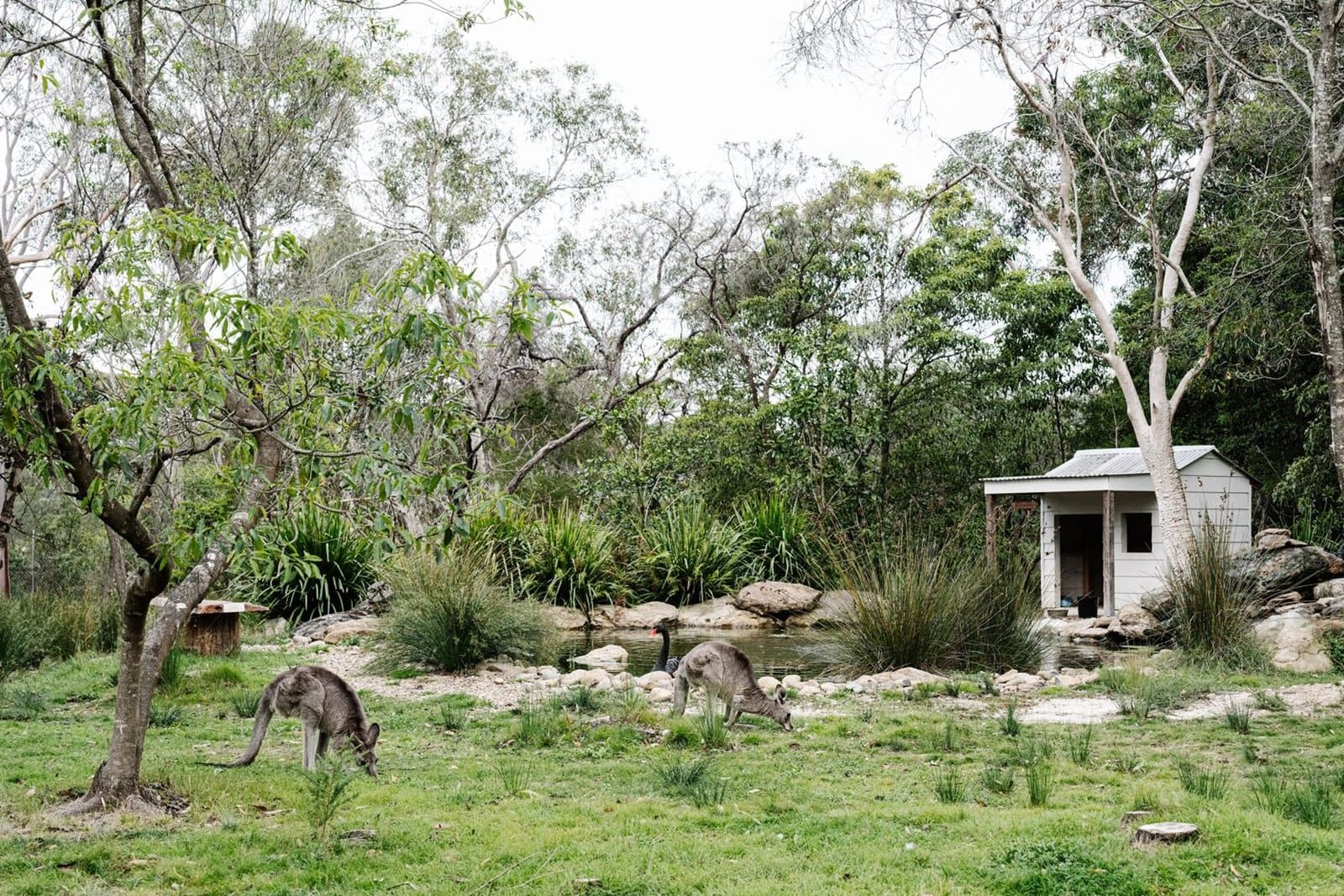 | Conservation On 35 acres of bush at Dural, against Berowra Valley National Park, a sanctuary founded in 1977 has cared for Sydney's injured and orphaned wildlife on volunteer hours and donated food. Twice a week the boxes come up the hill from the Harris Farm store, and now there is a cool room to keep them. Read the full story |
| Enjoyed this issue? Good news travels when people pass it on. Get our stories free every week, and send this issue to someone who will enjoy it as well. Every new subscriber keeps it going. Subscribe free Send to a friend Help us keep this publication going |
| Follow along on Instagram, Facebook and YouTube, we are @earthtoseanews on all three, with good news through the week. |
|