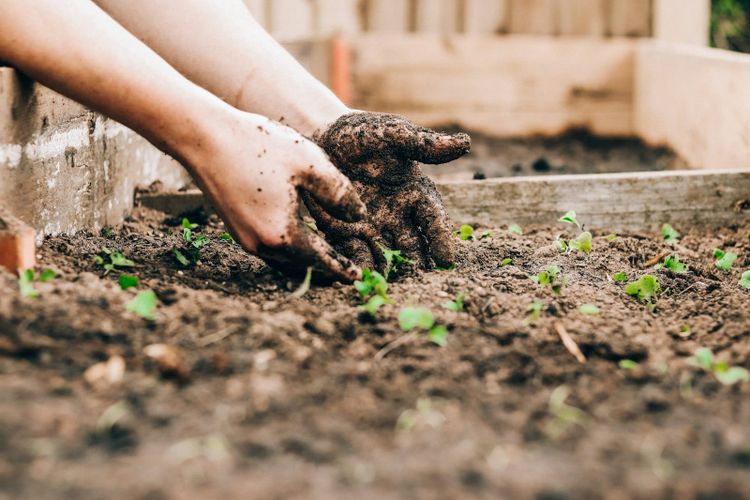
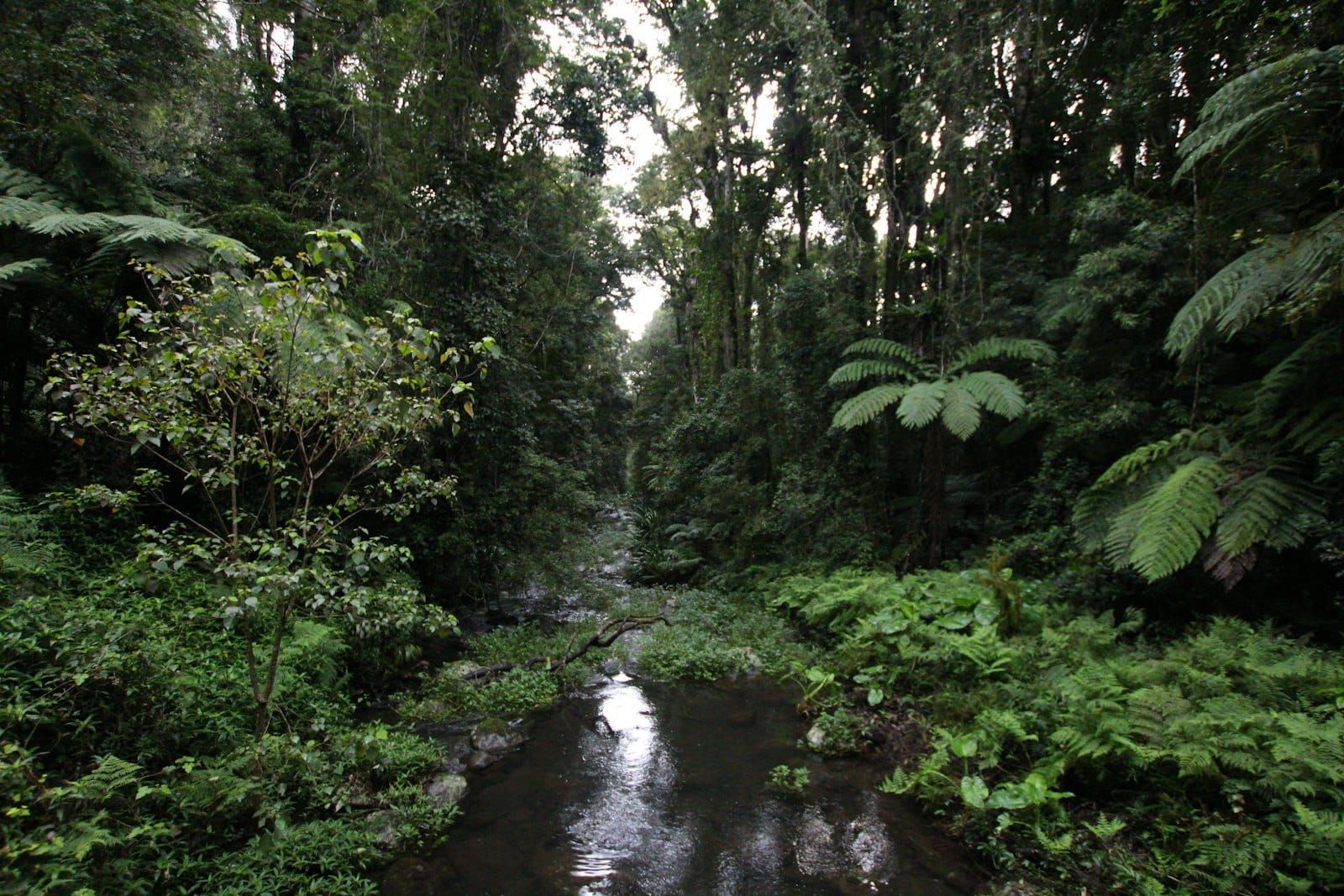
On Widjabul Wia-bal Country in northern New South Wales, Lismore's riverbanks and wetlands are being planted back towards what they once were. More than 17,000 native plants are now in the ground across sixteen sites and 42 hectares, restoring critically endangered lowland subtropical rainforest along with wetland and riverbank habitat, in a project called Rainforest to River. Over 500 Landcare and community volunteers have done the planting so far, and at the South Lismore Duck Pond some of the trees they put in around ten months ago already stand more than two metres tall. Hannah Rice-Hayes, Environmental Strategies Officer at Lismore City Council, says seeing them reach that height so quickly is incredible, and that the difference is being made by the Landcare groups, project partners and volunteers who keep turning up. Funded through the Australian Government's Natural Heritage Trust and its Urban Rivers and Catchments Program, the work joins fragmented patches of bush into corridors that wildlife can move along, and it leaves the city's waterways healthier and better able to look after themselves.
Each site is its own place, Ms Rice-Hayes says. You can be beside the river, surrounded by wetlands, or standing beneath the canopy of regenerating rainforest, and many of them carry a real sense of serenity. Every planting day adds another piece to the bigger picture, and the trees people plant today will keep growing and giving wildlife a home for decades. Three spring mornings are open to anyone: Saturday 26 September, 9am to midday, at North Lismore Wetlands; Saturday 3 October, 9am to midday, at the South Lismore Duck Pond; and Sunday 11 October, 2pm to 4pm, at Simes Bridge in North Lismore. No planting experience is needed. In her words, you will be helping restore the natural environment, and you might just discover a little piece of paradise in Lismore that you never knew existed.
Sources and links
Our short take: the full story is by The Echo (7 September 2026), from Lismore City Council's announcement of the spring planting program. The Echo's byline is its own name, no individual journalist. Photograph: H Young, Unsplash.