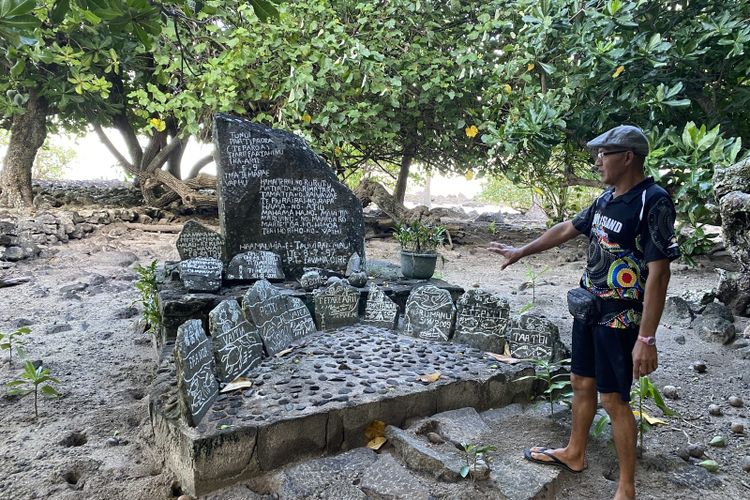
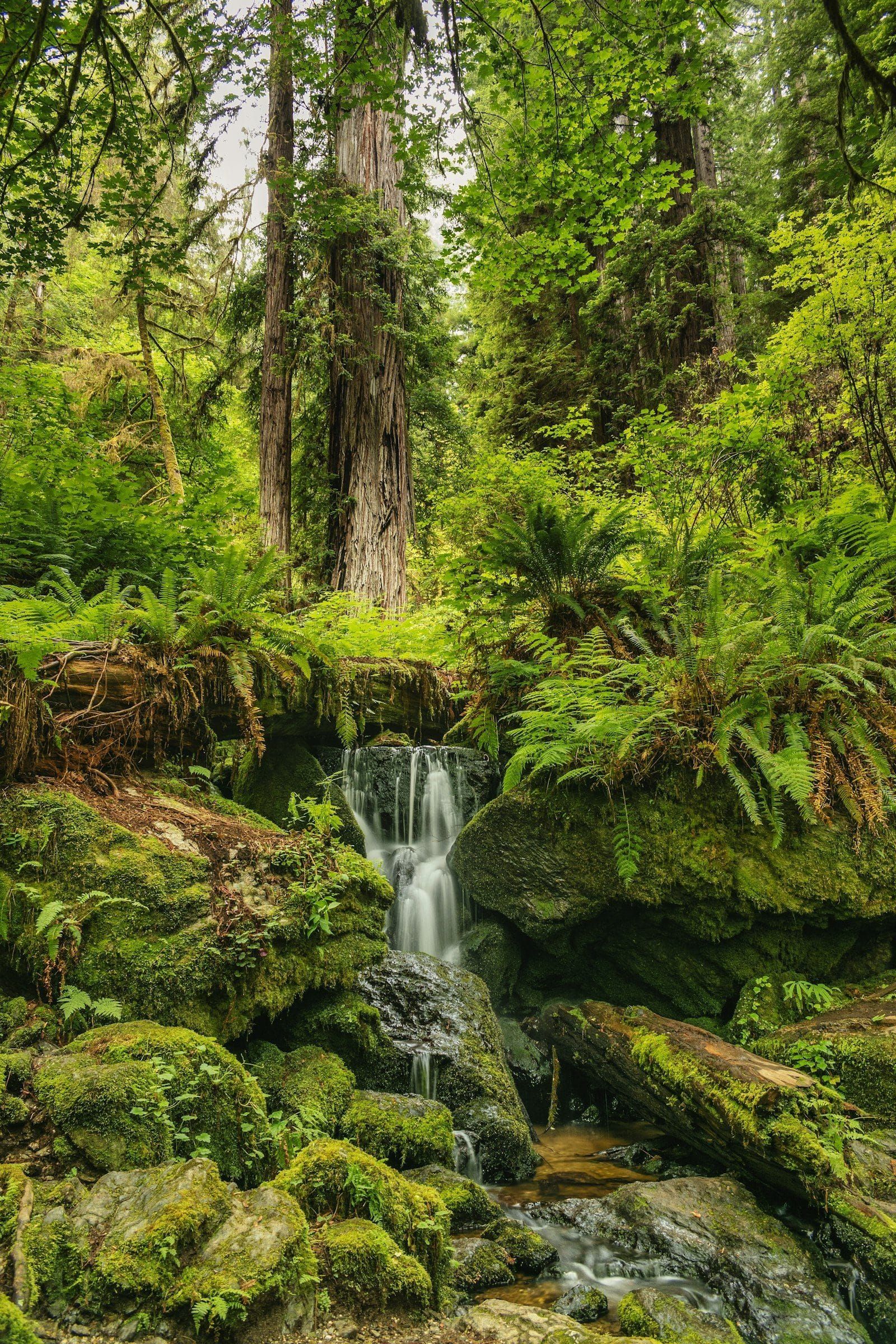
In the cloud forests of Yanachaga Chemillen National Park in Peru, the trees are getting ears. Small sound recorders, tuned by artificial intelligence to recognise birds, frogs and monkeys by voice alone, are being placed through the canopy by an Indigenous led team, so that the forest can be monitored by the people who know it best, and the value of that knowledge stays local. The project is one of sixteen winners of this year's WILDLABS Awards, announced on 7 July, which shared 360,000 dollars among small teams putting clever technology into conservation's hands.
The full list of winners reads like a postcard from a hopeful future: artificial intelligence quietly counting endangered Humboldt penguins on the Peruvian coast, bespoke trackers built for pangolin research, an intelligence hub for giraffe conservation, and Shuar women in the western Amazon building open source sound classifiers to guide forest restoration. None of these are giant machines or grand schemes. They are small, clever, affordable tools, built with and for the communities who hold the forests, and that may be exactly what the future of conservation sounds like: a forest, listening to itself, with friends.
Our short take: the WILDLABS Awards 2026 were announced on 7 July 2026 and reported by the Arm Editorial Team for the Arm Newsroom. Photograph: Yanachaga Chemillen National Park by Ivan Brehaut, via Wikimedia Commons (CC BY-SA 4.0).