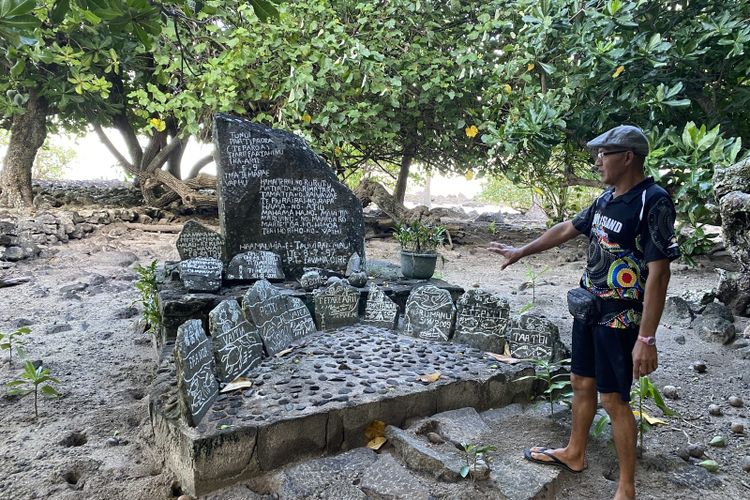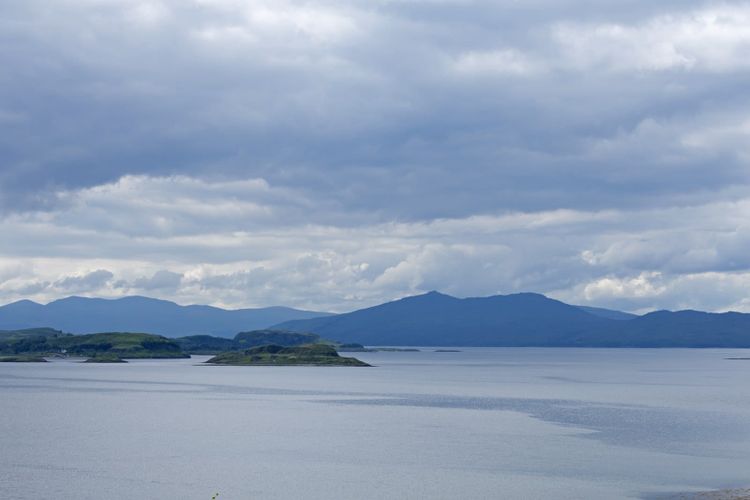
In the far south of Ecuador, where the Cordillera del Condor rises in flat topped sandstone plateaus like the tepuis of the Guiana Highlands, there are summits that no road reaches. To get there, a team of Ecuadorian scientists walked for two days, up muddy trails and through cloud forest, carrying camping and laboratory equipment on their backs. On top, at between 2,350 and 2,893 metres inside the Cerro Plateado Biological Reserve, they turned over rocks and looked into the cups of ground bromeliads, and found a frog that no book contained.
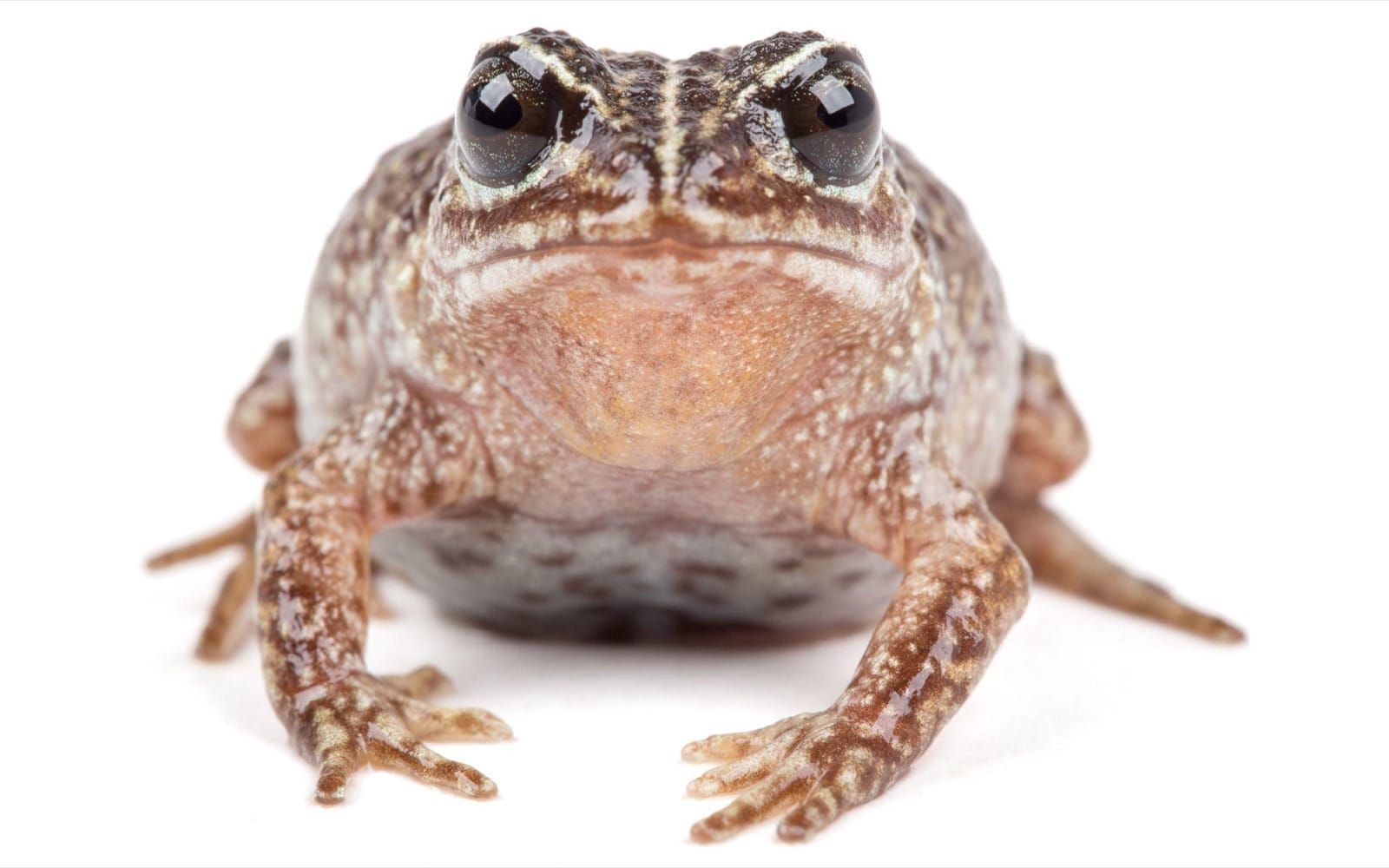
Her name is Lynchius romolerouxae. Females measure between 2.3 and 2.6 centimetres, males a little less, and she is dressed for the ground she lives on: greyish brown above with dark bumps and pale flecks, a belly of rust and cream with cinnamon spots, a throat the colour of pale salmon. She has no visible eardrum and none of the bony crests on the head that some of her relatives carry. Genetic sequencing confirmed what her shape suggested, a lineage of her own within the genus Lynchius.
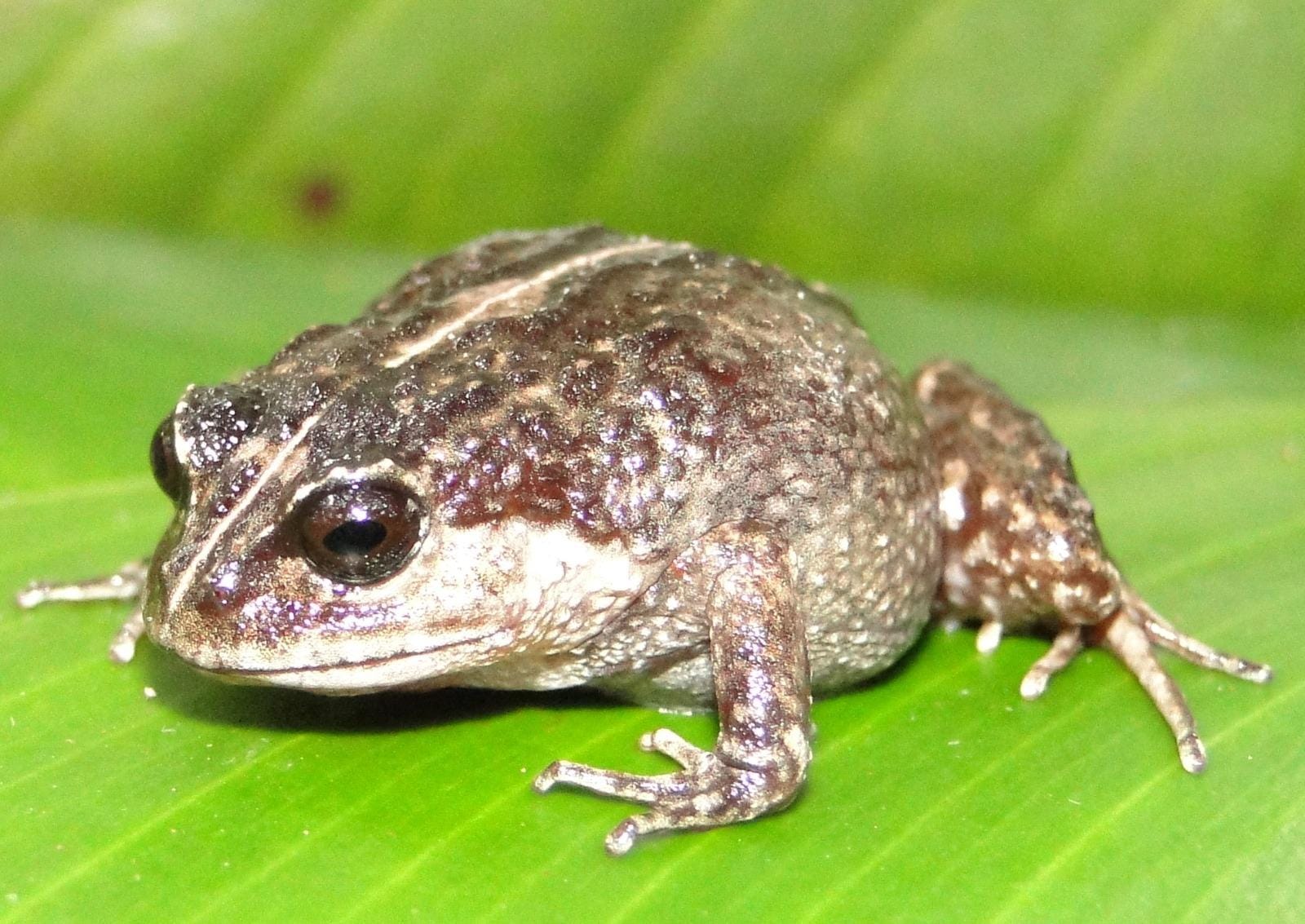
Herpetologists Ana Almendariz of the Escuela Politecnica Nacional, Jorge Brito of the Instituto Nacional de Biodiversidad and Santiago Ron of the Pontificia Universidad Catolica del Ecuador described her in the journal Zootaxa, from two joint expeditions by the two universities. One of the specimens was collected by botanist Alvaro Perez, who says the plateaus carry a flora found nowhere else, shaped by sandstone soils, acid ground and a climate that is wet almost all year, and that the bromeliads the frog shelters in are the refuge for much of the animal life up there.
Her species name honours Katya Romoleroux, the Ecuadorian botanist who won the Eugenio Espejo National Prize for science in 2020, a founding member of the Ecuadorian Academy of Sciences and professor emerita at the Pontificia Universidad Catolica. A frog from the clouds, named for the woman who spent a career naming the plants around her.
Her home is protected inside the reserve, and for now she is listed as data deficient, which is the honest way of saying that the summits she lives on have barely been looked at. Readers who remember our August story on the glass frog of El Quimi will recognise the museum behind this one: the Museo de Zoologia QCAZ in Quito, where Professor Ron's team keeps finding whole choruses that science has never written down. Earth to Sea News hopes to call in there in November.
Sources and links
Our short take: from the press release of the Museo de Zoologia QCAZ, Pontificia Universidad Catolica del Ecuador (30 August 2026), sent to us by Professor Santiago Ron, and the paper by Ana Almendariz, Jorge Brito and Santiago Ron in Zootaxa (2026). Photographs: Diego Quirola, QCAZ-BIOWEB Archive, and Jorge Brito, used with the permission of Professor Santiago Ron, 31 August 2026.
- Museo de Zoologia QCAZ press release The release with the photographs; the Zootaxa article link sits at its foot and goes in here on build day.
- BIOWEB Ecuador The museum's species pages.