On Friday 26 June, in the real council chamber at Palazzo Marino, Milan's city hall, students took the councillors' seats wearing papier mâché animal masks and argued the case for about fifty wild species that live in Milan or pass through it on migration. Swifts, foxes, bats, frogs, bees, earthworms, beetles, pigeons and the bright green parakeets of Parco Sempione all had someone speaking for them. They were not debating abstractions either. They took Milan's genuine planning questions and worked through them from the animals' point of view: what happens to the swifts nesting in the San Siro stadium if it is redeveloped, whether to reopen the Navigli canals that were paved over in the late 1920s, green corridors against surface car parking, how a building facade is designed, where rain can soak into the ground, and how much room to leave for plants that arrive on their own.
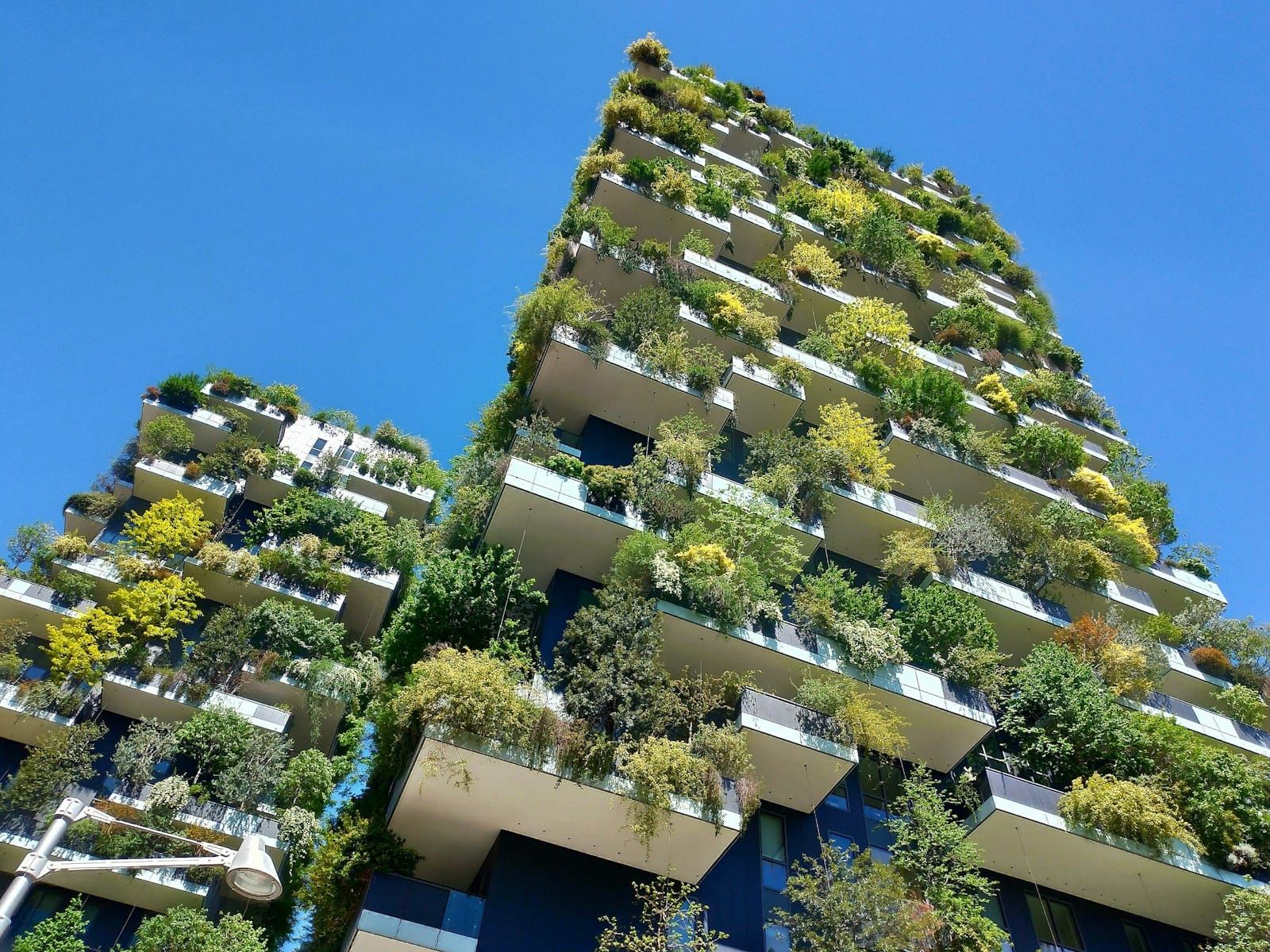
It was a simulated debate rather than a body with legal power, and no binding motion came out of it, which the organisers are open about. What it did was put the question in front of the city in a form nobody could ignore. The event was run by the Urban Planning Laboratory of the Politecnico di Milano with the Piccolo Teatro di Milano and the City of Milan, presided over by Gustavo Gandini, Milan's Guarantor for Non Human Animals, with Anastasia Kucherova as scientific coordinator and masks made by the artist Jacopo Allegrucci. Stefano Boeri, the architect behind Milan's Bosco Verticale and director of the Urban Planning Laboratory, framed it as a simple matter of fairness: “Cities are inhabited by many species. Why shouldn’t we, the dominant species, represent their needs too?” Elena Grandi, the city's Councillor for Environment and Green Spaces, agreed. “Our space is also their space, which is why we must protect this great heritage of biodiversity.”
Our short take: reported by Angela Symons for Euronews, with primary Italian coverage from ANSA and Gazzetta di Milano. Photograph: Unsplash.