Some findings deserve a second telling. In August we shared a study from São Paulo State University showing that crushed moringa seeds pull microplastics out of drinking water, about 98.5 per cent of them, as well as the aluminium salt that treatment plants around the world rely on. We wrote to the team to say thank you, and Professor Adriano Gonçalves dos Reis wrote back from São José dos Campos with photographs of the seeds, the bench and the five people behind the work, and with the story of how they got there. It began ten years ago with a simple, generous idea: a seed from a tree that grows across the warm parts of the world could do the job of an industrial chemical, with less going in, less sludge coming out, nothing that lingers, and at a price a small town or a village water system could afford. Microplastics were not on anyone’s list back then. When the team finally put the seed to that test, running the water straight from coagulation into a filter, moringa matched aluminium sulfate. Professor Reis says that result surprised them most, and it is the kind of surprise science lives for: a humble seed handling one of the newest problems in water as well as the oldest.
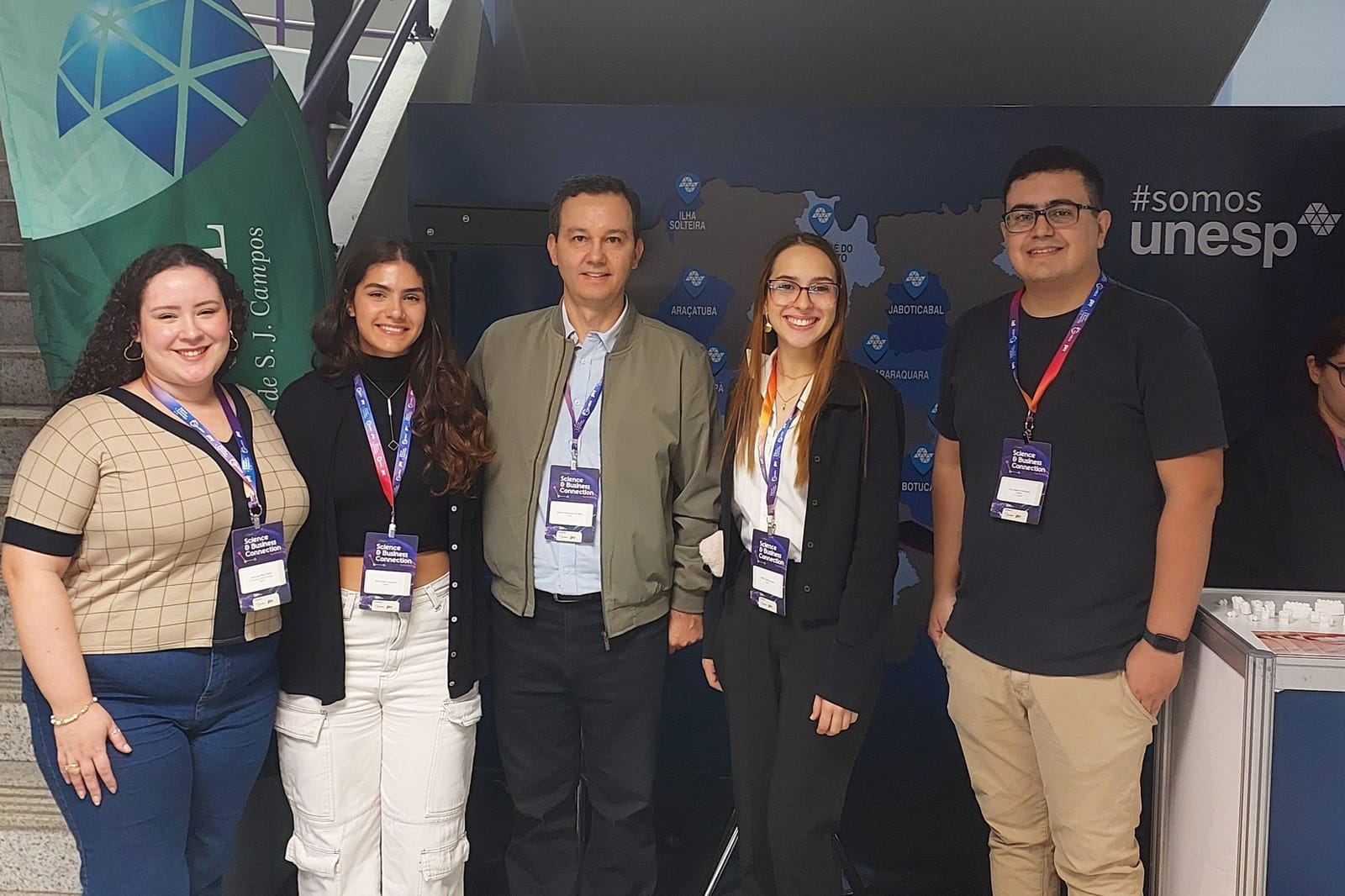
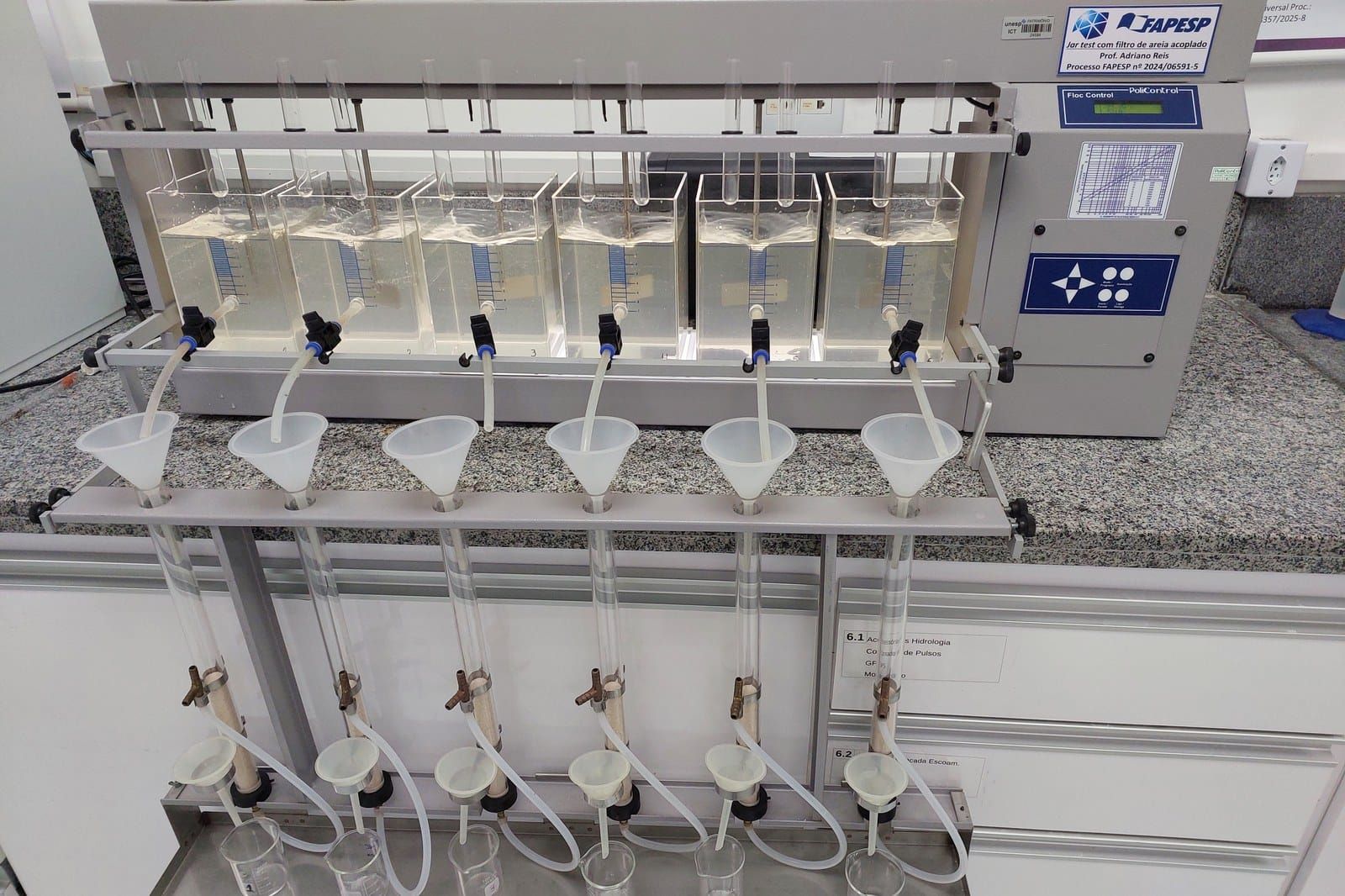
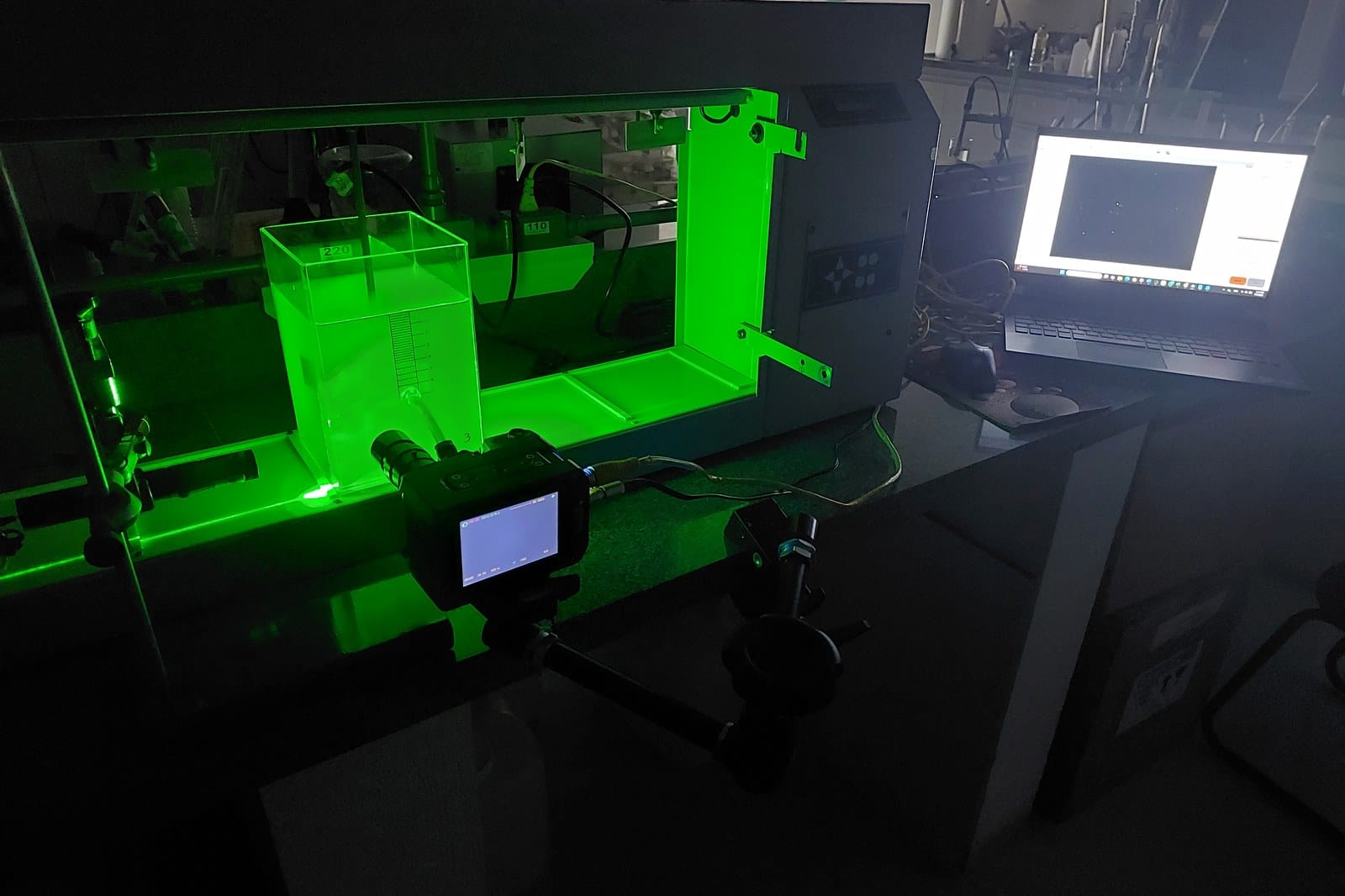
Look at the photographs and you can see the care in it. Six jars on a paddle rig, each dosed with seed extract, stirred, settled and filtered, and a laser camera counting the particles that remain. Then comes the moment that turns a laboratory result into something bigger. Now the group has moved from tap water to natural water from the Paraíba do Sul River, which supplies millions of people between São Paulo and Rio de Janeiro, and the seed is working there too. Professor Reis calls the results so far satisfactory, and the team is testing how it performs as the river changes through the seasons. Standing together in the group photograph, left to right, are Leticia Cabral, Maria Clara Cerqueira, Adriano Reis, Lanah Correa and Luiz Gustavo Godoy. Ten years of patient work, one tree seed, and a way to clean water that a community could grow for itself. Congratulations to all five of them, from a newsroom on the other side of the Pacific that is cheering you on.
Sources and links
An Earth to Sea News original, from Professor Reis’s letter to us of 25 September 2026. Our first story: The tree seed that scrubs plastic from drinking water. Paper: Removal of microplastics from drinking water by Moringa oleifera seed, ACS Omega. Photographs: Prof. Dr. Adriano Gonçalves dos Reis, ICT/Unesp São José dos Campos, Brazil, gifted to Earth to Sea News.