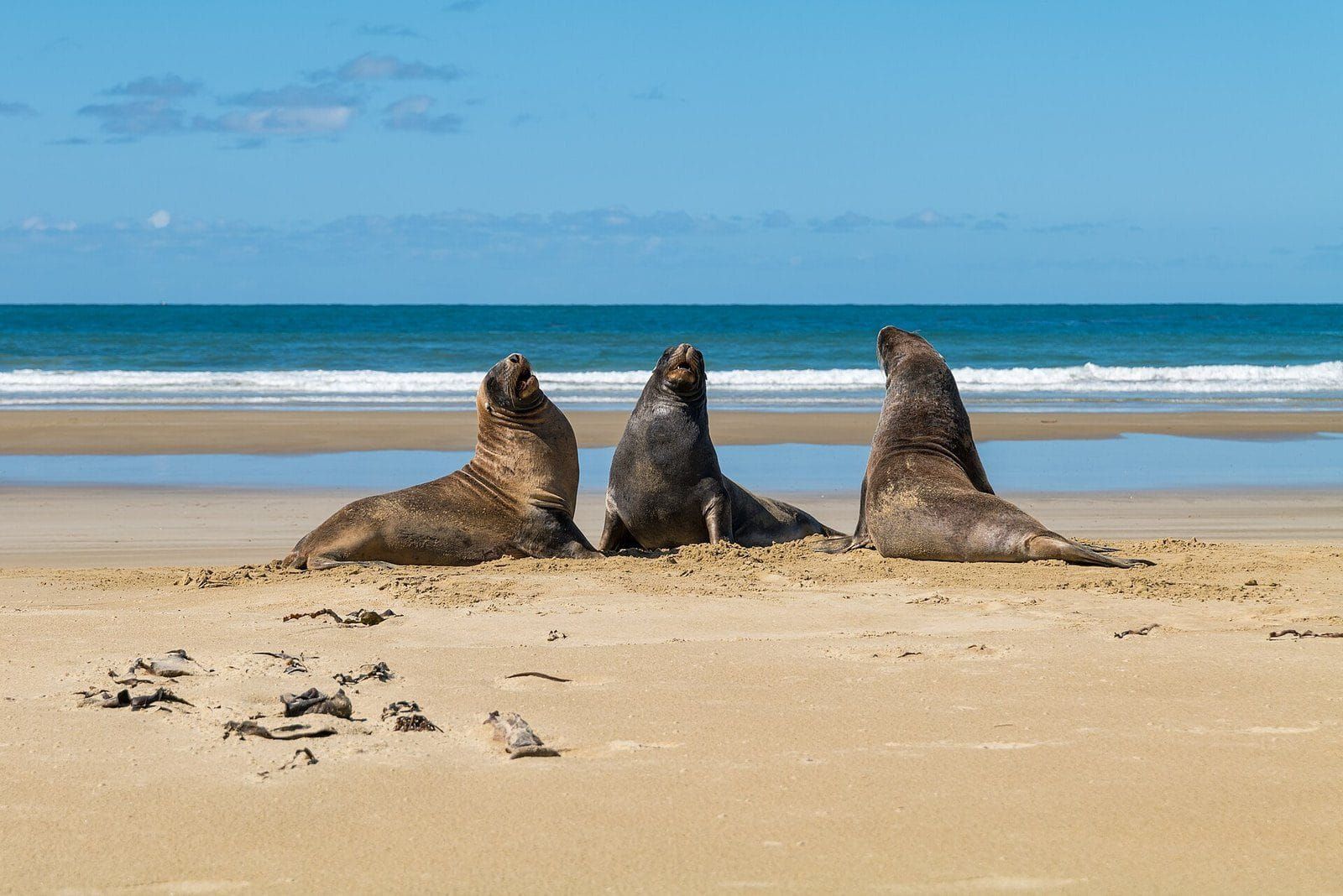
Along the beaches of the Otago coast, in the south of New Zealand's South Island, rangers counted thirty eight pakake pups this season. Pakake, the New Zealand sea lion, is one of the rarest sea lions on Earth, and that number carries more weight than it first appears. For a stretch of coast to be recognised as a breeding colony it needs at least thirty five pups a season, five seasons running. Otago has just cleared that bar for the first time. It is season one of five, so nothing is official yet, but the mainland has not been in this position for about a hundred and fifty years.
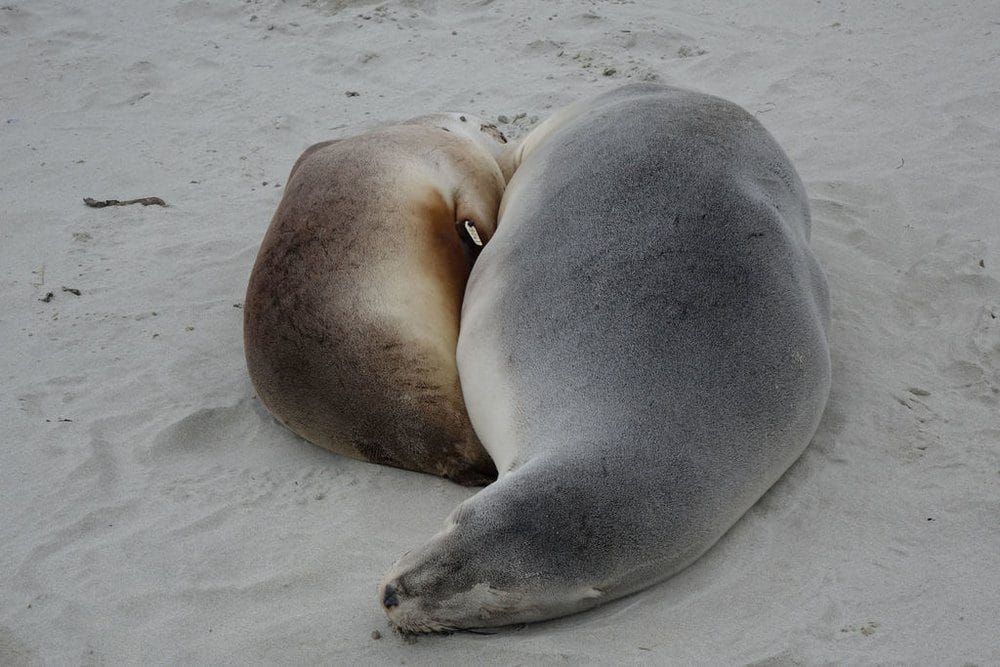
Every one of those pups traces back to a single female. Conservationists knew her as Mum, and in 1993 she came ashore on an Otago beach and gave birth to the first mainland pup in more than a century. From that one animal the mainland population has grown to roughly fifty breeding females, carried by more than thirty years of patient work from the Department of Conservation, Te Rūnaka o Ōtākou and the New Zealand Sea Lion Trust. Moss Thompson, a Coastal Otago Biodiversity Ranger with the Department of Conservation, said it plainly: “From that first pup, to a population that’s now roughly 50 breeding females strong, having 38 pups in a single season, it’s a huge achievement.” Four more summers like this one and the colony becomes official. The whānau of Ōtākou and the wider Ōtepoti community will be counting.
Our short take: the announcement comes from the Department of Conservation in New Zealand, with further reporting by RNZ. Read more: New Zealand sea lion, Department of Conservation, and Otago sea lion colony hits major population milestone, RNZ. Photographs: a mother and pup on the Otago coast by John Barkla, CC BY 4.0, and three sea lions on the sand by Thomas Berwing, CC BY-SA 4.0.