Along the southeast coast of New Zealand's South Island, from Akatore south of the Taieri River mouth up towards the Waitaki, five new marine reserves came into force on the first of July. Together they cover about three hundred and eight square kilometres of coastal water, the country's first new marine reserves in more than a decade, and inside them nothing is fished, collected or taken. Kelp forests, the beaches where sea lions haul out, the nesting coast of the hoiho, the yellow eyed penguin, and the deep Papanui Canyon offshore all sit within the lines. Kāi Tahu, the iwi of the South Island, and the Department of Conservation have named the network Te Au Roa o Te Rakihouia, the enduring ocean pathway of Te Rakihouia, and Edward Ellison, Upoko of Te Rūnanga o Ōtākou, has spent thirty years of patient advocacy getting to this day.
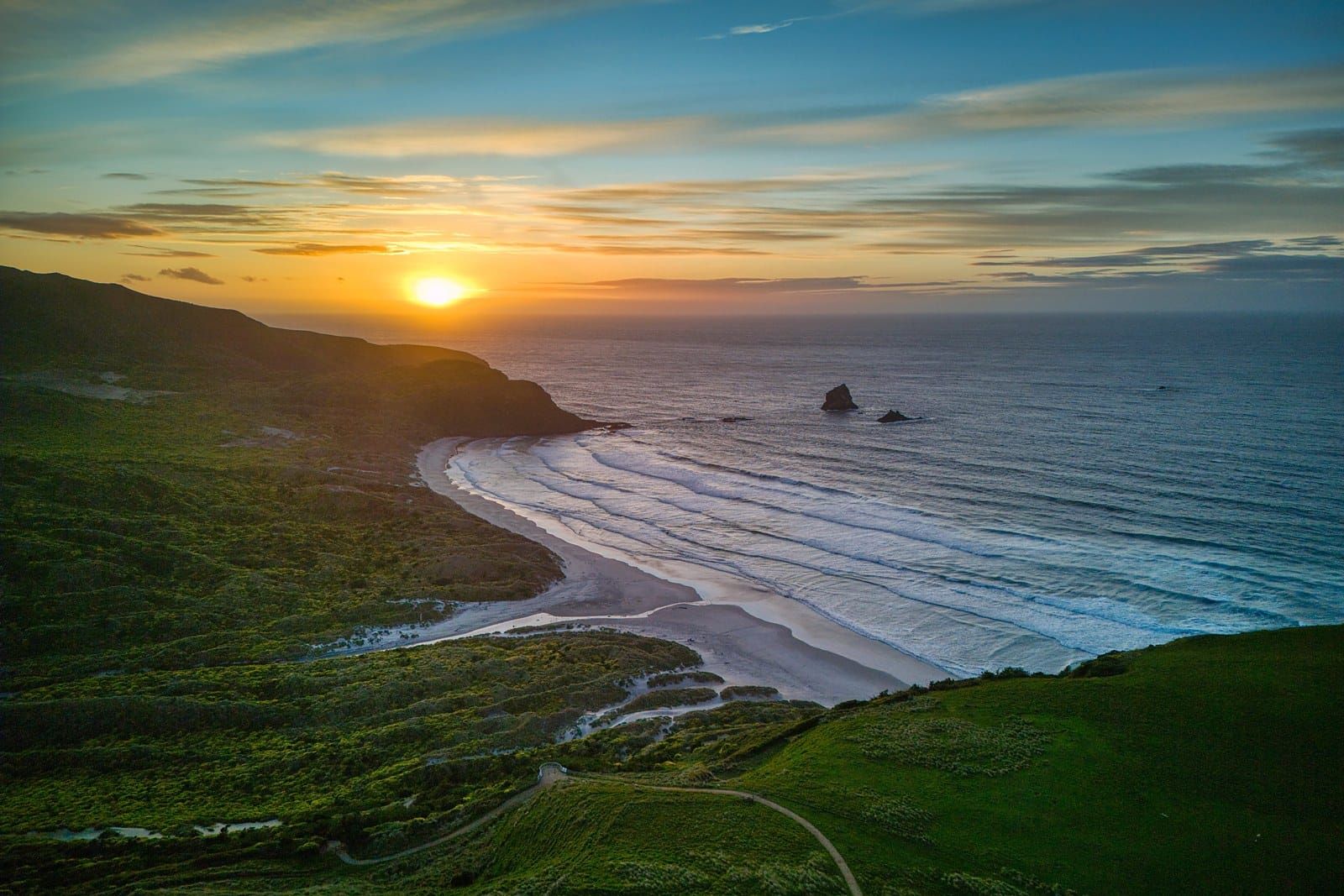
What makes it new is how the reserves will be looked after. Kāi Tahu and the Department of Conservation share the decisions, and a joint team of marine rangers does the daily work: six full time ranger positions funded through the tribal council, led by Brendan Flack, a tangata tiaki, or customary fisheries guardian, working alongside conservation staff. Rangers will monitor the reefs, reseed pāua, run education days and keep watch. Professor Chris Hepburn of the University of Otago, the forum's scientist, sees the ranger jobs as a pathway into research, conservation and restoration for the young people of the coast, and Aaron Fleming, the department's operations director, says the partnership means shared decision making with rangers carrying out the day to day care. For anyone who has stood on Sandfly Bay at sunset with sea lions dozing on the sand, it is a simple, lovely thought: the water in front of you is now a place where things get to grow, and the people watching over it are the ones whose ancestors named it.
Sources and links
Our short take: the full story is by Edward Carver for Mongabay (19 August 2026), with details from the Department of Conservation and the June announcement of the network. Photograph: Hagai Agmon-Snir, CC BY-SA 4.0.
- Department of Conservation: the new reserves Maps, boundaries and what applies inside each one.