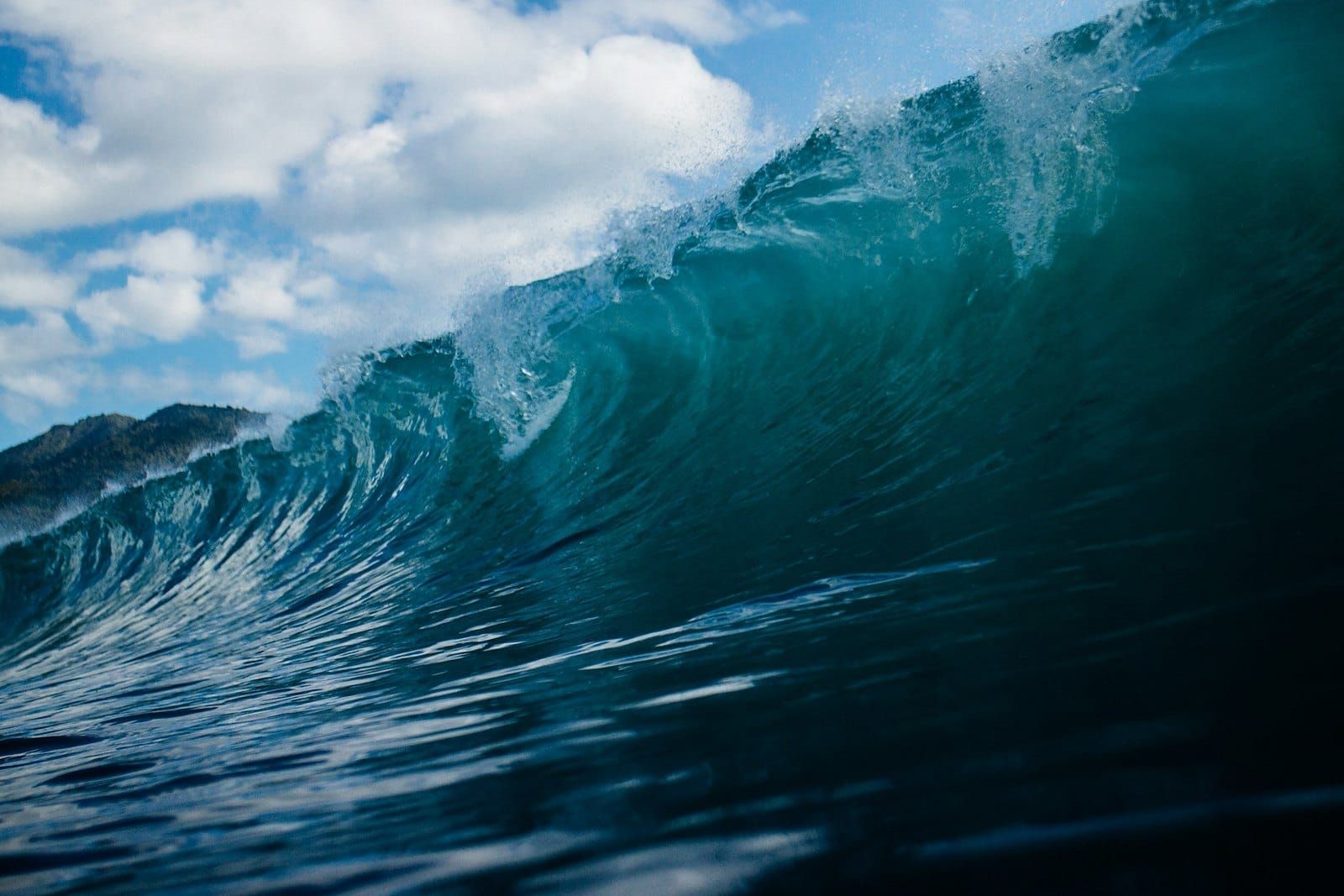
Eleven kilometres off Newport on the Oregon coast, in up to 78 metres of water, four cables now run along the seabed to a small building on the shore. Together they stretch about eighty kilometres, and on 27 August about 150 people gathered to cut a ribbon on the thing they connect: PacWave South, the first open ocean wave energy test site in the United States that is both fully permitted and wired to the grid. Oregon State University runs it, the US Department of Energy paid for most of it, and it has taken more than fifteen years to plan, permit and build. Four berths can take up to twenty wave energy machines at once and send up to twenty megawatts to shore, where the Bonneville Power Administration has already agreed to buy the electricity. Dan Hellin, the PacWave director, put it plainly at the ribbon: for over fifteen years they had talked about what PacWave would be, and could now stop talking about it in the future tense. It is built, grid connected and operational.
What makes it interesting on this side of the Pacific is what it is for. Nobody has settled the shape of a wave machine yet, the way the three bladed tower settled wind, and PacWave exists so that companies can put their designs in real swell and find out, while the university's scientists study how each one sits with the fish, whales and seabirds around it. That research is written into its purpose, and the first devices are due in the coming months. One of the companies watching closely is Australian. Carnegie Clean Energy, of Fremantle, has been building its CETO wave unit in Germany and Spain and puts it in the sea in October at the Basque Country's grid connected test site, with foundations and moorings going in ahead of it. Wave Swell Energy's unit on King Island, off Tasmania, proved a different design over a year of trials. Australia has more wave energy washing against its southern coast than the whole country uses, and it remains almost untouched. Oregon has just built the place where the next answers get tested.
Sources and links
Our short take: from Oregon State University's announcement of 31 August 2026, Interesting Engineering's report by Georgina Jedikovska (7 September 2026), Oregon Public Broadcasting's coverage of the opening, and RenewEconomy on Carnegie Clean Energy. Photograph: Unsplash.