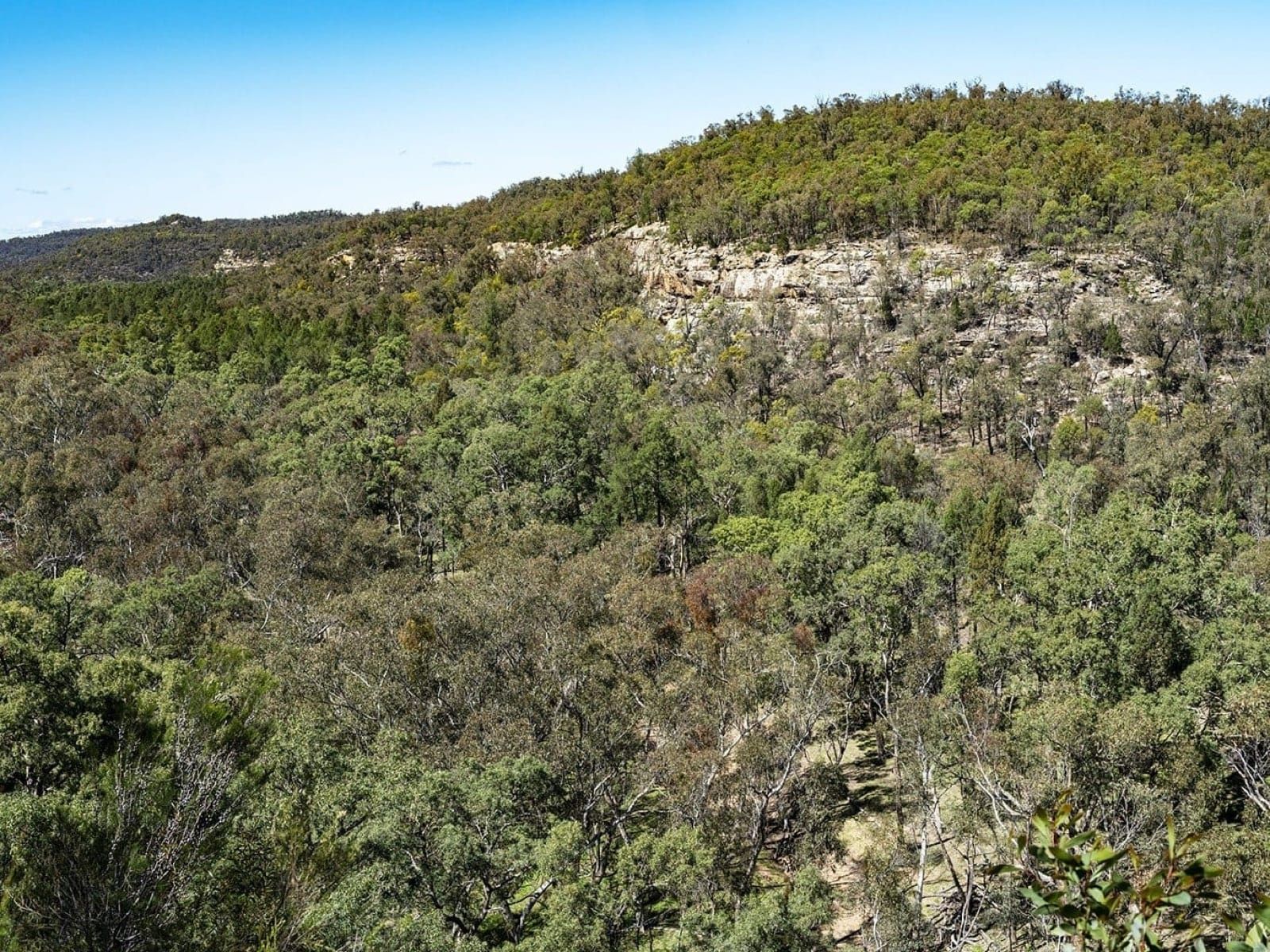
South of Narrabri, on Gamilaraay Country, the Pilliga spreads across more than half a million hectares of cypress, ironbark and pale sand, the biggest native forest west of the Great Dividing Range. For most of the last hundred years some of its smallest residents were missing, the diggers and burrowers that once turned its soil every night. Since 2018 they have been coming home. In a safe haven inside the Pilliga State Conservation Area, the Australian Wildlife Conservancy and the NSW National Parks and Wildlife Service released 60 greater bilbies in November 2018, and bilbies now live and breed across the whole of the haven. Bridled nailtail wallabies followed in 2019, 42 of them, and by 2025 the estimate stood at 385. Brush tailed bettongs arrived in August 2022, 55 animals from two Western Australian sanctuaries. Plains mice and Shark Bay bandicoots came in 2023. Western quolls are next on the list.
Small animals, big jobs. NSW National Parks calls them ecosystem engineers: every time a bilby or a bettong digs for dinner it loosens the soil, lets rain and seed sink in, and leaves a pocket of shelter for something else. Dr Vicki Stokes, senior wildlife ecologist with the Conservancy, said it was thrilling to see the bettongs bouncing around the Pilliga after such a long absence, and that one more secure population makes the whole species safer. Atticus Fleming, head of the NSW National Parks and Wildlife Service when the bettongs went in, called their return an historic step and great news for the Pilliga forest.
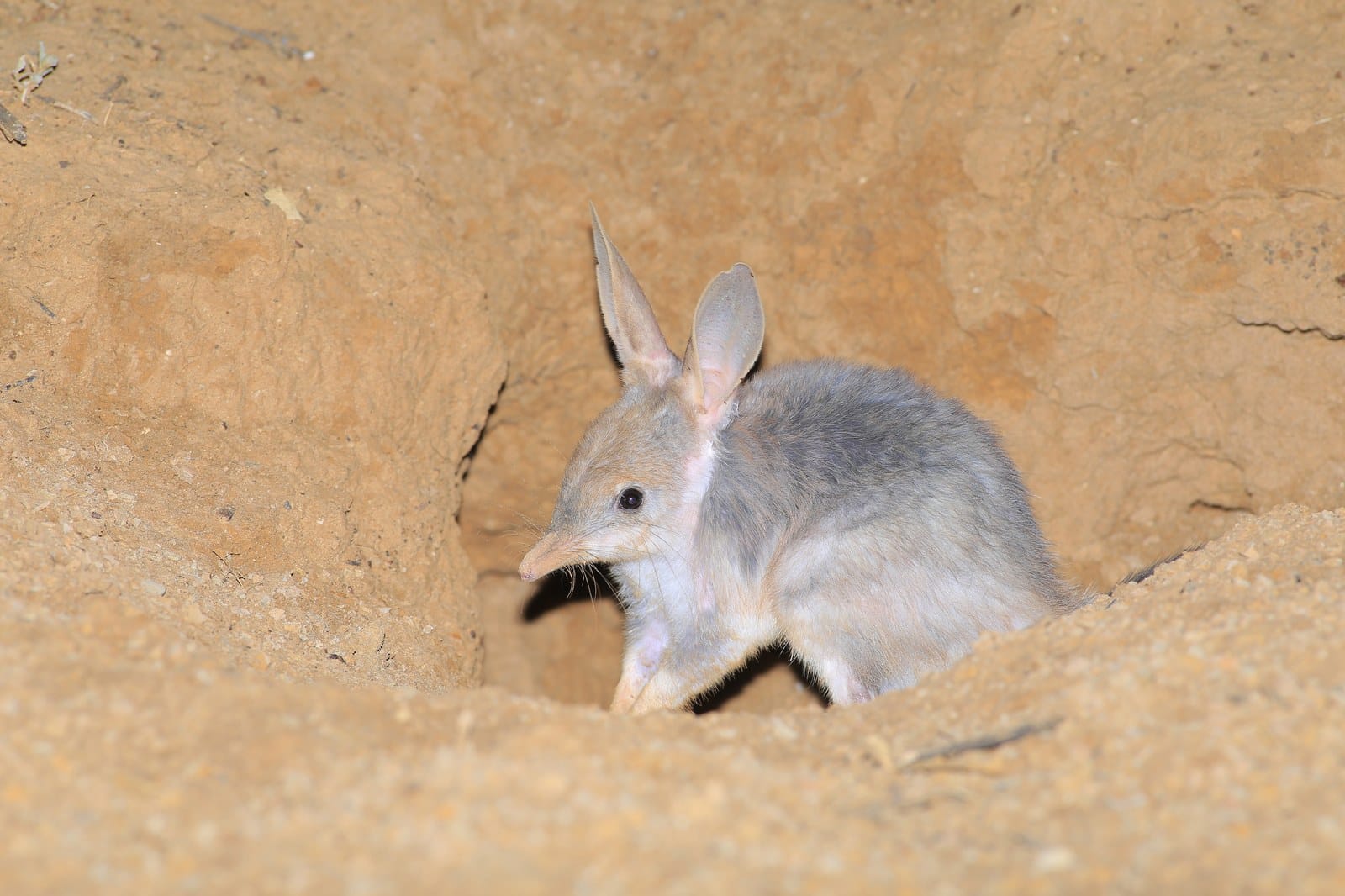
On 29 June 2026 the NSW Government signed on for another ten years, here and at two sister sites, Mallee Cliffs National Park with the Conservancy and Sturt National Park with the University of New South Wales Wild Deserts program. Across the three, 13 mammal species that had gone from the state are living wild again, five of them in the Pilliga. Penny Sharpe, NSW Minister for the Environment, put it simply: "Bilbies, Numbats and Shark Bay Bandicoots are back where they had disappeared from and they're thriving." Tim Allard, chief executive of the Australian Wildlife Conservancy, said the partnership had proven what lasting collaboration can deliver for conservation in Australia. It began in 2016 as a new way for a public parks service and a charity to share one job. Ten years on, it has a decade more to run, and a forest full of diggers to show for it.
Sources and links
Our short take: the extension was announced in a NSW Government release on 29 June 2026 and reported by the New England Times news desk on 30 June 2026; the animal numbers are from NSW Environment and Heritage's Pilliga page (updated 17 August 2026) and the Australian Wildlife Conservancy. Photo: Oliver Strewe.
- Native species back from the brink: NSW commits to next decade of wildlife recovery NSW Government release, 29 June 2026, with the Penny Sharpe and Tim Allard quotes.
- Pilliga at centre of decade long push to save Australia's vanishing mammals New England Times news desk, 30 June 2026, no personal byline, free to read.
- Ecosystem engineers return to the Pilliga NSW Environment and Heritage, page updated 17 August 2026: 60 bilbies 2018, 42 wallabies 2019, 385 estimated 2025, 55 bettongs August 2022, quoll next.
- Pilliga State Conservation Area Australian Wildlife Conservancy project page: partnership since 2016, 35,633 hectare project area, forest over 500,000 hectares, plains mouse and Shark Bay bandicoot 2023.
- Locally extinct brush tailed bettong bounces back into the Pilliga Australian Wildlife Conservancy release, 13 January 2023, with the Vicki Stokes and Atticus Fleming quotes.
- UNSW and NSW Government extend Wild Deserts partnership for another decade UNSW newsroom, 29 June 2026: five species at the Pilliga, 13 across the three sites.
- A wild, remote and adventure ready land of ancient forest: the Pilliga NSW National Parks: 500,000 hectares, the largest native forest west of the Great Dividing Range.