Clouds are the ocean's own sunshade, and it turns out you can ask them, politely, to work a little harder. When seawater is sprayed into the air as an extremely fine mist, the water evaporates and leaves behind tiny drifting salt crystals. Clouds form their droplets around specks exactly like these, and given more specks, a cloud forms more and smaller droplets, which makes it very slightly brighter, so it reflects a little more sunlight back to space. Do this over a coral reef during a marine heatwave and the water below gets a touch of shade exactly when the coral needs relief. That is the idea an Australian team has been testing on the Great Barrier Reef, led by Associate Professor Daniel Harrison at Southern Cross University's National Marine Science Centre.
This is proper, careful science rather than a fringe scheme: the work sits inside the Reef Restoration and Adaptation Program alongside the Australian Institute of Marine Science, CSIRO, the Great Barrier Reef Foundation and four universities, with every trial approved by the Great Barrier Reef Marine Park Authority. The team has now delivered six field experiments at the reef, and their results, published in the journal Environmental Research Letters, show the mist behaves as hoped, with the salt specks rising all the way to the height where clouds are born. The honest place this story stands is early: the researchers are still testing whether brightening can work safely at a scale that matters, and no one is switching it on as routine protection yet. But somewhere off Queensland, on the right mornings, there are scientists gently brightening clouds to buy a reef time, and that is one of the most quietly hopeful sentences we have written all year.
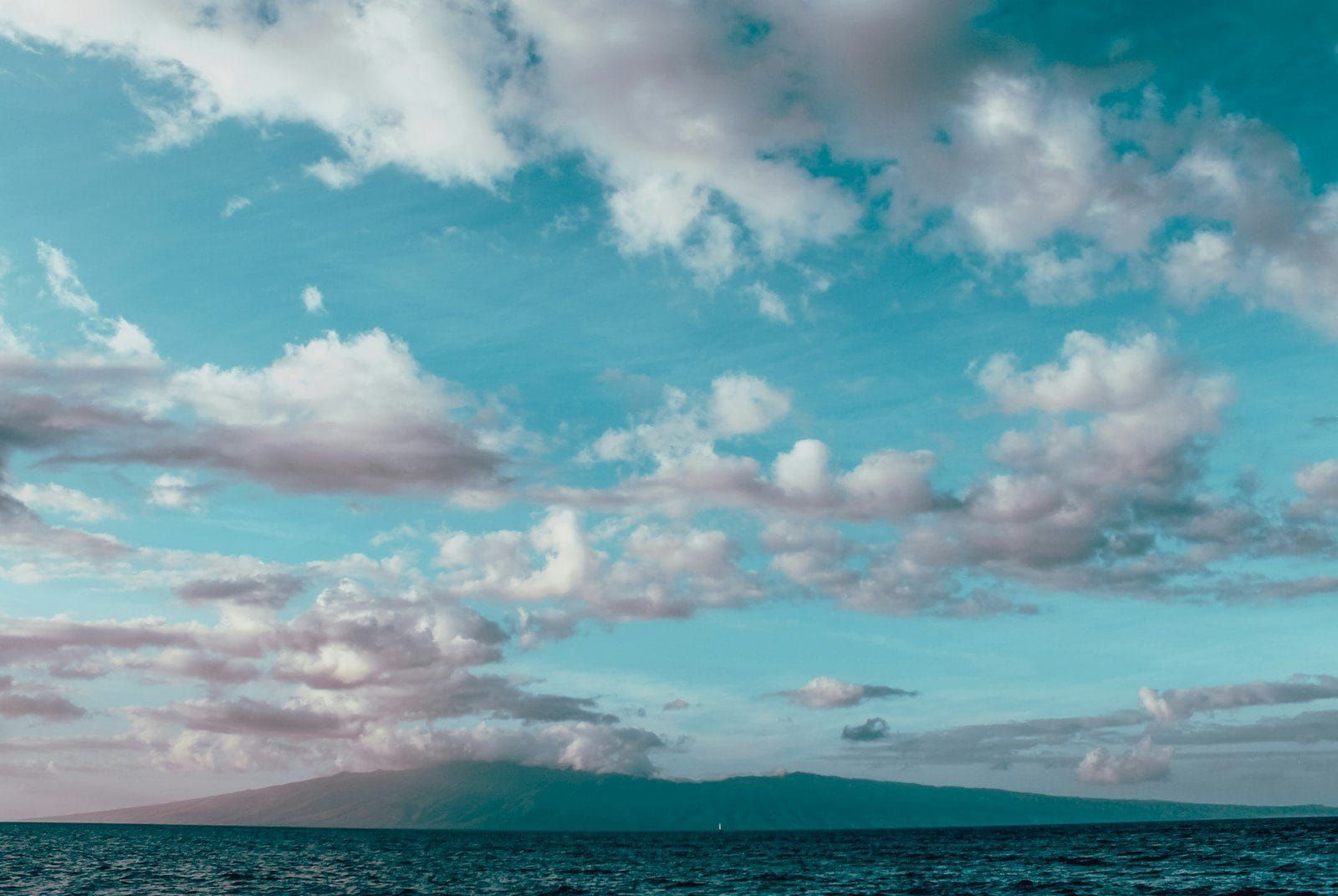
Our short take: the trial results are published in Environmental Research Letters by the team led by Associate Professor Daniel Harrison at Southern Cross University's National Marine Science Centre, within the Reef Restoration and Adaptation Program. Photograph: Unsplash, our clouds are a stand in, not the trials themselves.