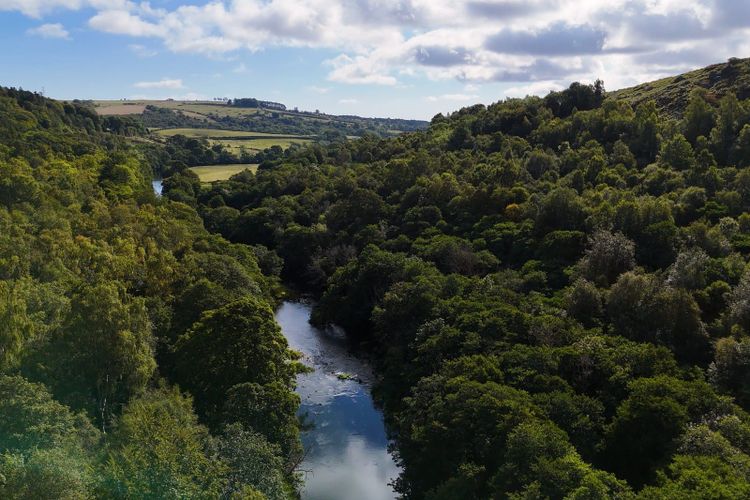
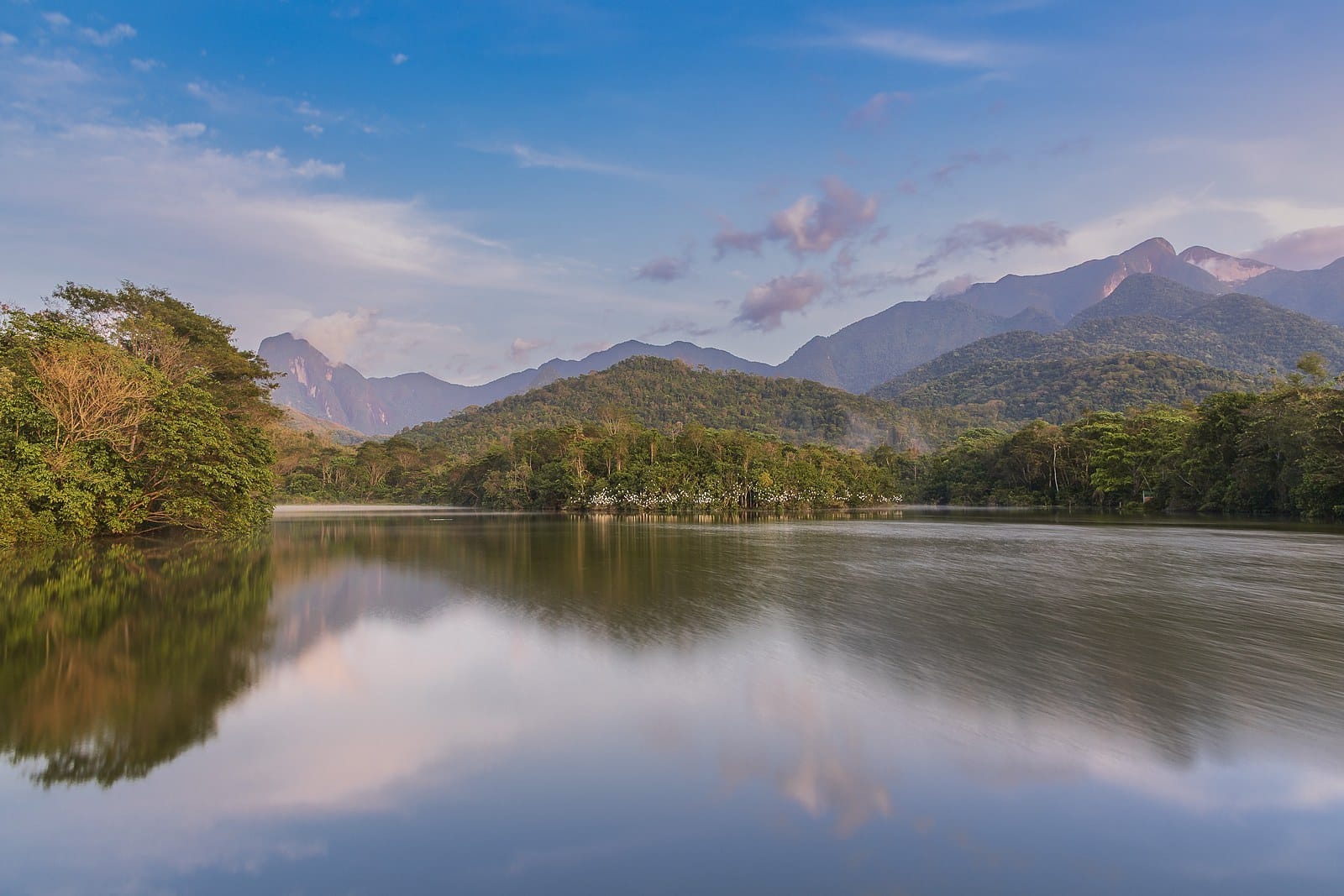
In 1907 Hilmar Werner bought a farm in the Guapiaçu river valley at Cachoeiras de Macacu, in Rio de Janeiro state, Brazil. Nearly a hundred years later his great grandson Nicholas Locke and Raquel Locke turned the old Fazenda do Carmo over to the Atlantic Forest, founding the Reserva Ecológica de Guapiaçu, known as REGUA, in 2001. It is still a family affair: Nicholas is president, Raquel is vice president, Micaela Locke coordinates the Replântica replanting project and Thomas Locke manages tourism. Seedling by seedling, starting from their own nursery, the team has planted more than a million native seedlings and restored 710 hectares of old pasture and wetland, inside more than 10,600 hectares now protected.
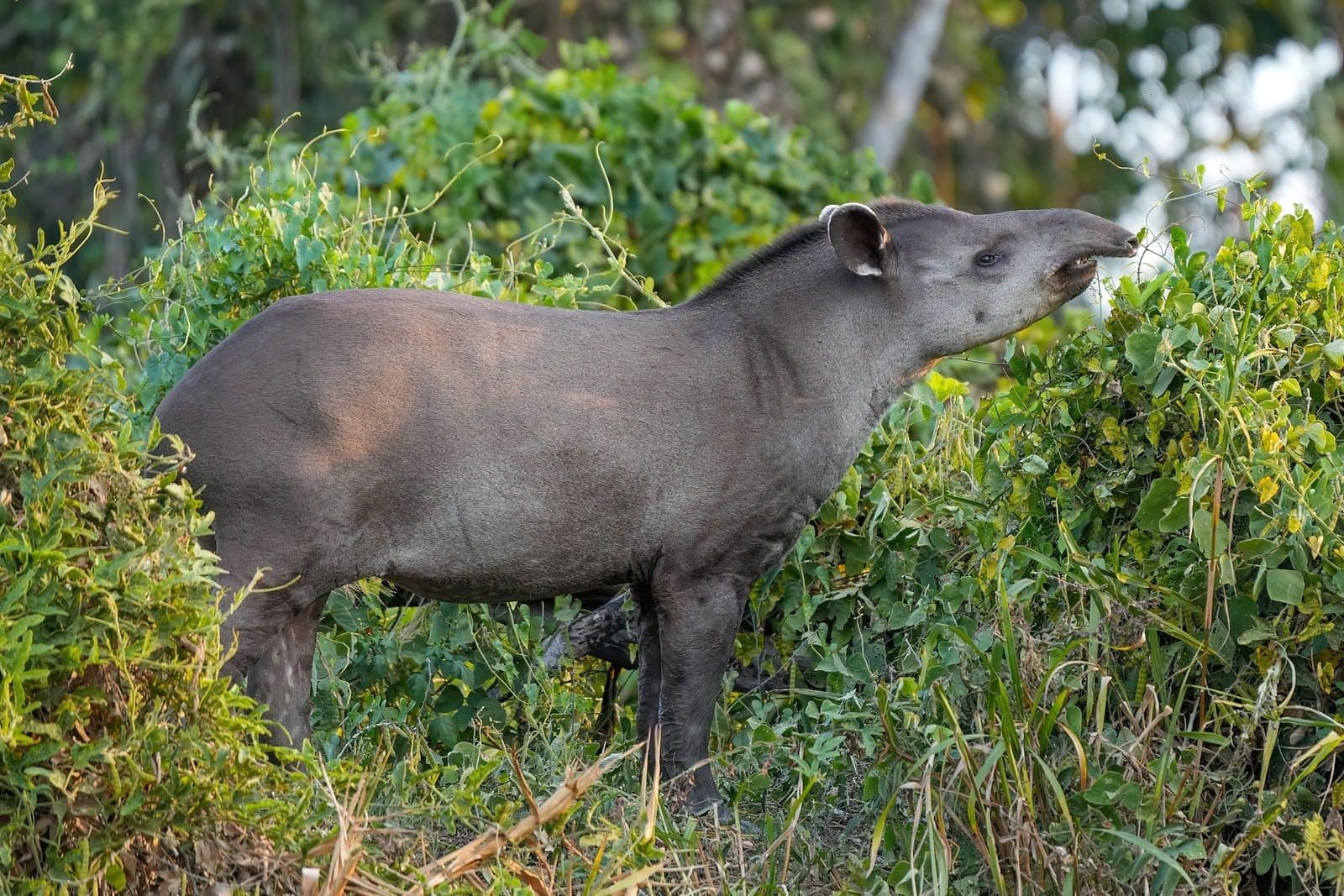
Into that forest came the lowland tapir, Brazil's largest land mammal, missing from Rio de Janeiro state for more than a century. Since 2017 Refauna, the team behind the returning animals of Tijuca National Park we wrote about in July, has worked with REGUA and the wildlife laboratory of the Federal Institute of Rio de Janeiro to bring tapirs home from zoos and breeding centres in other states. Eleven tapirs have now been released, three calves have been born free on REGUA land, and by 2025 the wider programme had counted eight wild born calves, including a second generation. A tapir pregnancy lasts about thirteen months and brings a single striped calf, so every birth is a celebration. Tapirs eat fruit and carry seeds far and wide, which is why Brazilians call them gardeners of the forest. In a valley where one family planted a forest, the gardeners are planting too.
Sources and links
An Earth to Sea News story. Figures from the Reserva Ecológica de Guapiaçu (REGUA) and Revista Amazônia (29 October 2026). Photographs: as credited in captions.