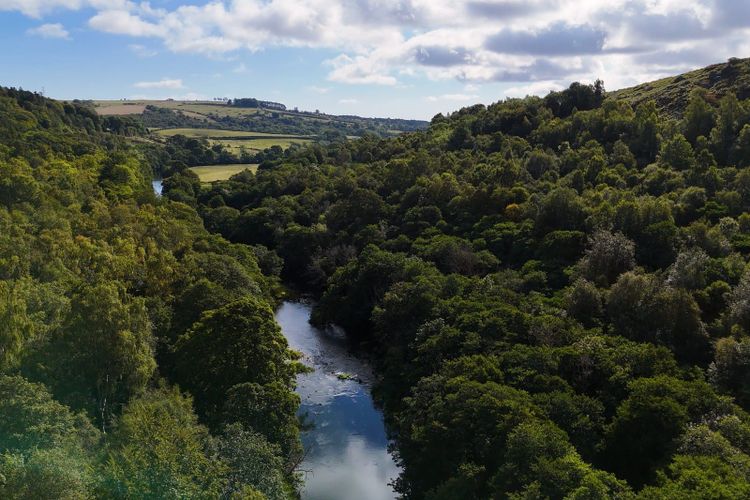
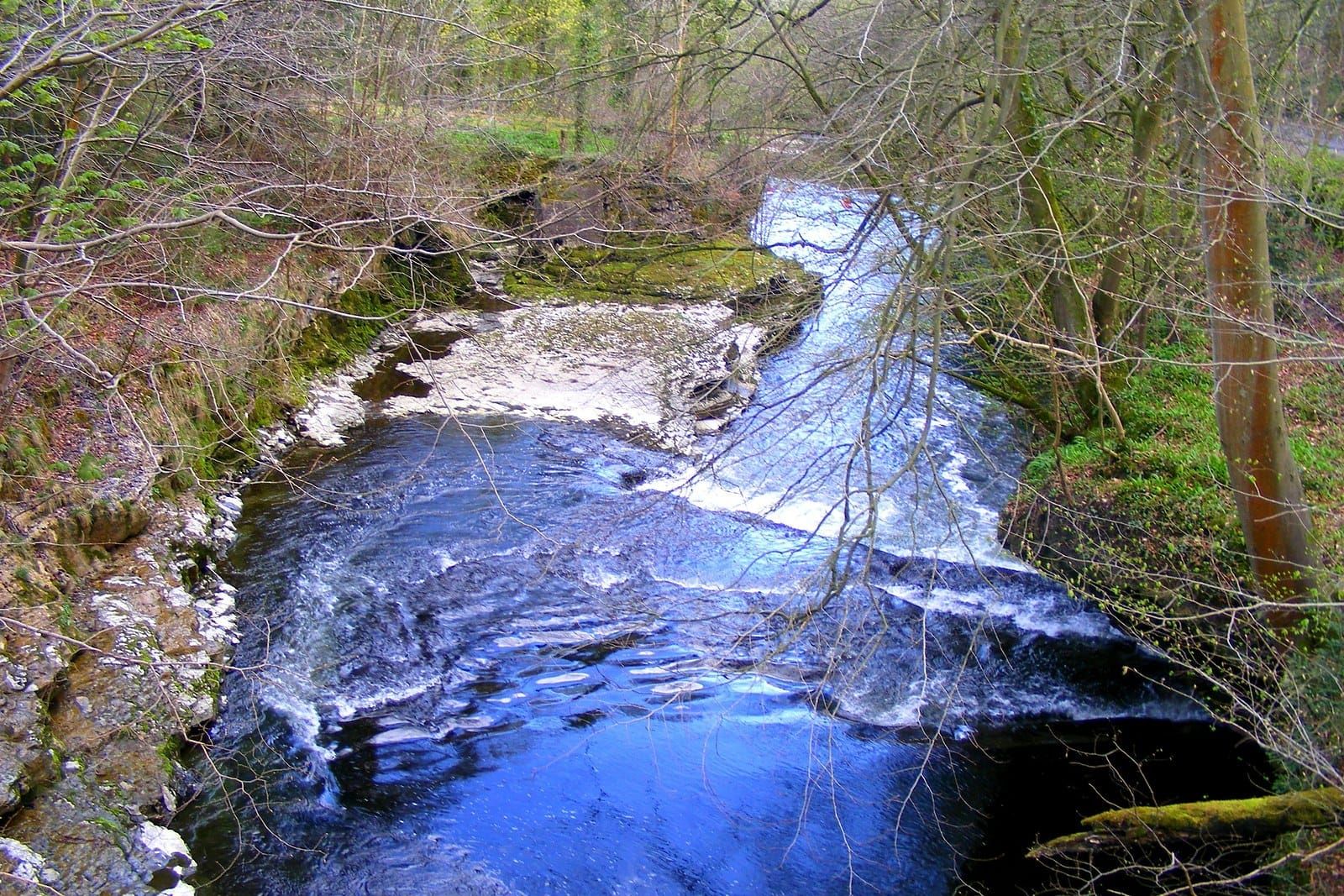
Freshwater pearl mussels are among the longest lived animals without a backbone on Earth, and some live well over a hundred years, quietly sifting a river through their shells. In England's River Kent, in Cumbria, they had all but gone. "When we started, we could only find three adult specimens," says Sarah Raubenheimer, who manages the pearl mussel project at the Freshwater Biological Association. So the association went to its Freshwater Pearl Mussel Ark, a recovery centre that breeds mussels from threatened populations and raises the young in careful conditions until they are ready for a river. Releases into the Kent began in 2025, and by the summer of 2026 almost two thousand young mussels were settled into its gravels, with about three thousand planned by 2027 and a thousand more over the five years after that.
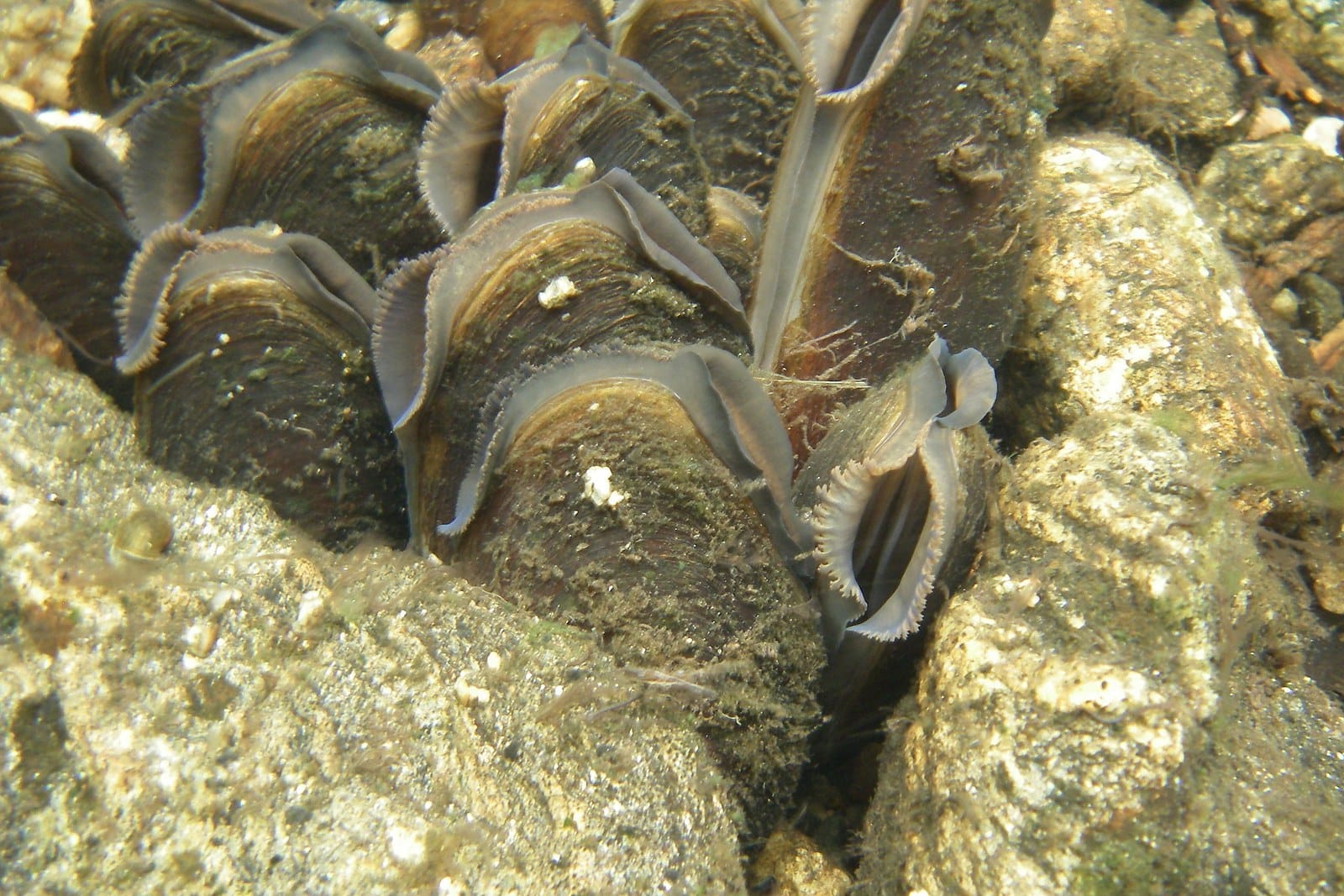
Every one of them is a gift to the whole river. A healthy bed of pearl mussels filters huge volumes of water, steadies the gravel where fish lay their eggs, and tells scientists the river is in good shape for everything else that lives in it. Their story is tied to the fish too. A young mussel spends its first months riding on the gills of a brown trout or an Atlantic salmon, unharmed passengers, before dropping off to begin a life that may outlast everyone who released it. "It's making a real difference," Sarah says. Natural England, the Environment Agency, South Cumbria Rivers Trust and the European Union's LIFE programme are partners in the LIFE R4ever Kent project, and Rewilding Europe's European Wildlife Comeback Fund added a grant of just over twenty five thousand euros. A river that had three is now home to thousands, and some of them may still be there in the twenty second century.
Sources and links
Our short take: the full story is by Daniel Allen for Rewilding Europe (29 October 2026). Photographs: as credited in captions.
- Rewilding Europe, Freshwater pearl mussels make a comeback in England's River Kent The three adults, the ark, the release numbers, the fish, every quote and partner.
- Freshwater Biological Association, LIFE R4ever Kent The project.