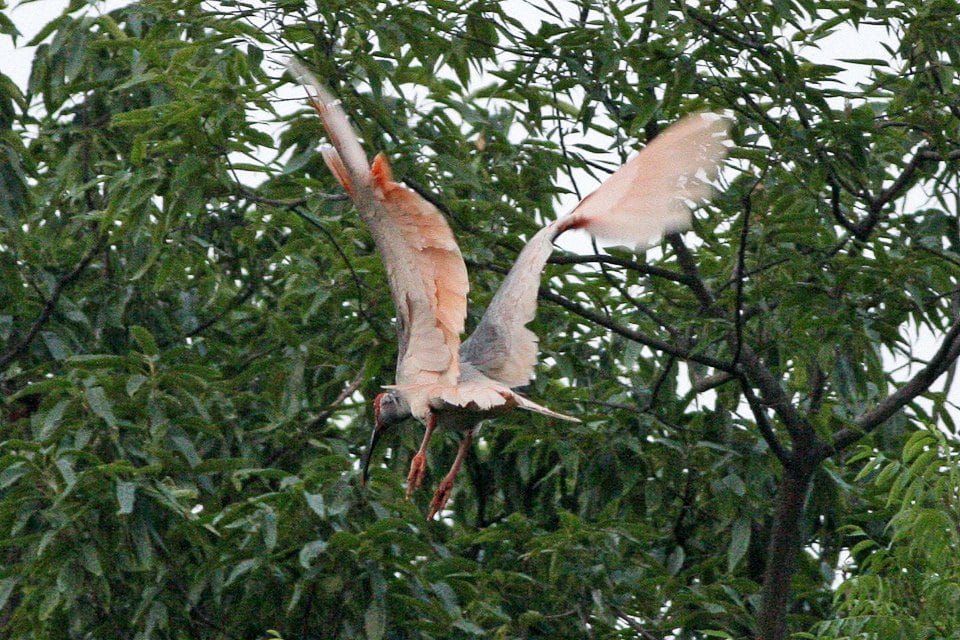
On the last day of May, on the Noto peninsula, eight boxes were opened and eight toki lifted into the sky over Hakui. The crowd below had waited a long time for that sight. Japan's crested ibis, a bird so loved it carries the country's scientific name Nipponia nippon, vanished from these skies half a century ago, and the last wild bird on the main island was taken into care in Ishikawa in 1970. The birds flying now were raised at the conservation centre on Sado Island, where a breeding programme that began with a single gifted pair in 1999 has grown, feather by feather, into around five hundred toki living wild.
Sado's secret was never just the aviaries. Farmers around the island changed how they grow rice so the paddies stay full of the small wriggling things a toki needs, and the birds repaid them by thriving. Now the recovery is stepping off the island: with June's second release, eighteen toki fly free on the main island, back in the Noto region where they were last seen, and ten more birds are being readied. Environment Minister Ishihara Hirotaka says the aim is more than one thousand mature birds. The sacred bird is not just back. It is spreading.
Our short take: the releases and numbers are reported by The Japan Times and Japan's Ministry of the Environment, with the birds raised at the Sado Crested Ibis Conservation Center. Photograph: Ron Knight, CC BY 2.0, via Wikimedia Commons.