Tucson sits in the Sonoran Desert with 542,000 people and, in 2024, 112 days over 38 degrees. Seven of its ten hottest neighbourhoods are on the Southside, where streets have the fewest trees and summer afternoons run four or five degrees above the city average. Mayor Regina Romero, the first woman and the first Hispanic mayor the city has had in 150 years, launched Tucson Million Trees in 2020 with a target of a million by 2030, and by last year 150,000 were in the ground. What is being planted matters as much as how many. Velvet mesquite, desert ironwood, palo verde, desert willow and native hackberry all grew here before the streets did, live on little water, and, in the hackberry's case, feed the birds and pollinators as well as shading the footpath. Shade trees cool the air beneath them by several degrees, can trim a neighbouring house's air conditioning by up to 30 per cent, and cast a shadow on a summer afternoon nearly 17 degrees cooler than the pavement beside it.
Planting goes street by street, house by house. Through NeighborWoods, a program run by the not for profit Tucson Clean and Beautiful with the city, any household in the hottest postcodes can ask for up to three free trees for its yard, and volunteers turn up on a Saturday to put them in. Karen Mockler, writing for Writers on the Range in April, spent a morning with them and planted three of the 101 trees that went in that day, alongside a volunteer named Lenore, about 70, who keeps coming back. Las Vegas is doing something similar with free trees in its highest heat postcodes, and Phoenix has scientists modelling where a tree's shadow will fall before it is planted. None of it is complicated. A desert city that grew up paving over its own shade is putting the shade back, starting where people feel the heat most, with the trees that belong there. In ten years the Southside will be a different place to walk on a July afternoon, and the birds will have noticed first.
Sources and links
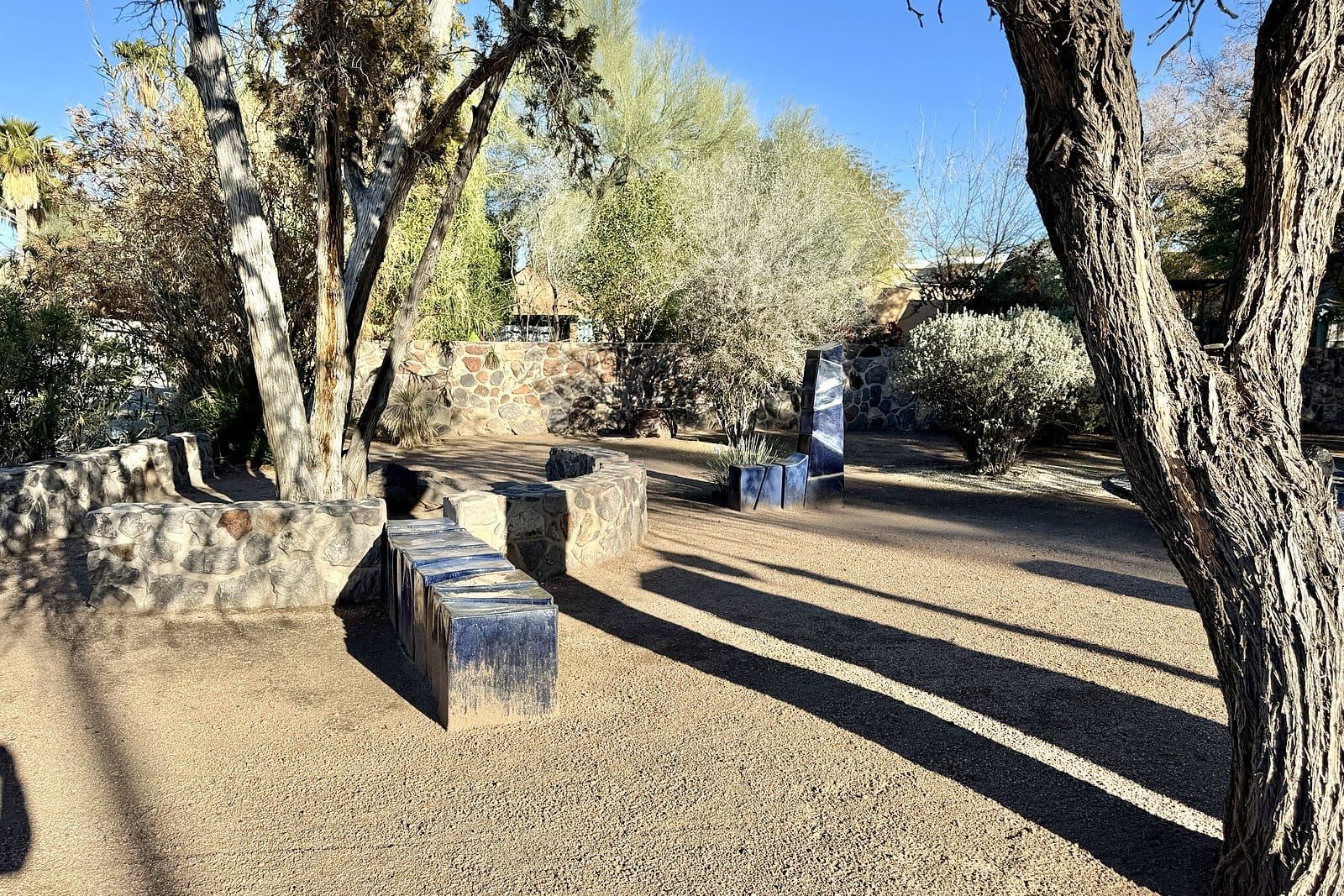
Our short take: the full story is by Karen Mockler for Writers on the Range (27 April 2026), with the program details from the City of Tucson's Million Trees page. Photograph: Alene Dunlap Smith Garden, Tucson, by w_lemay, Wikimedia Commons, CC BY-SA 2.0.