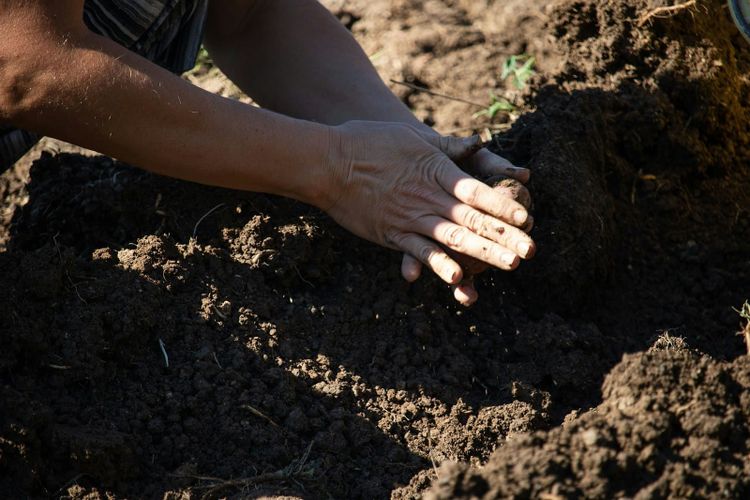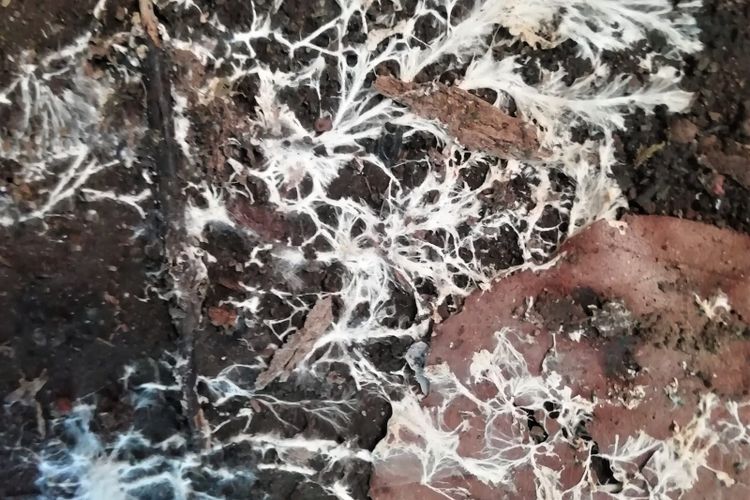
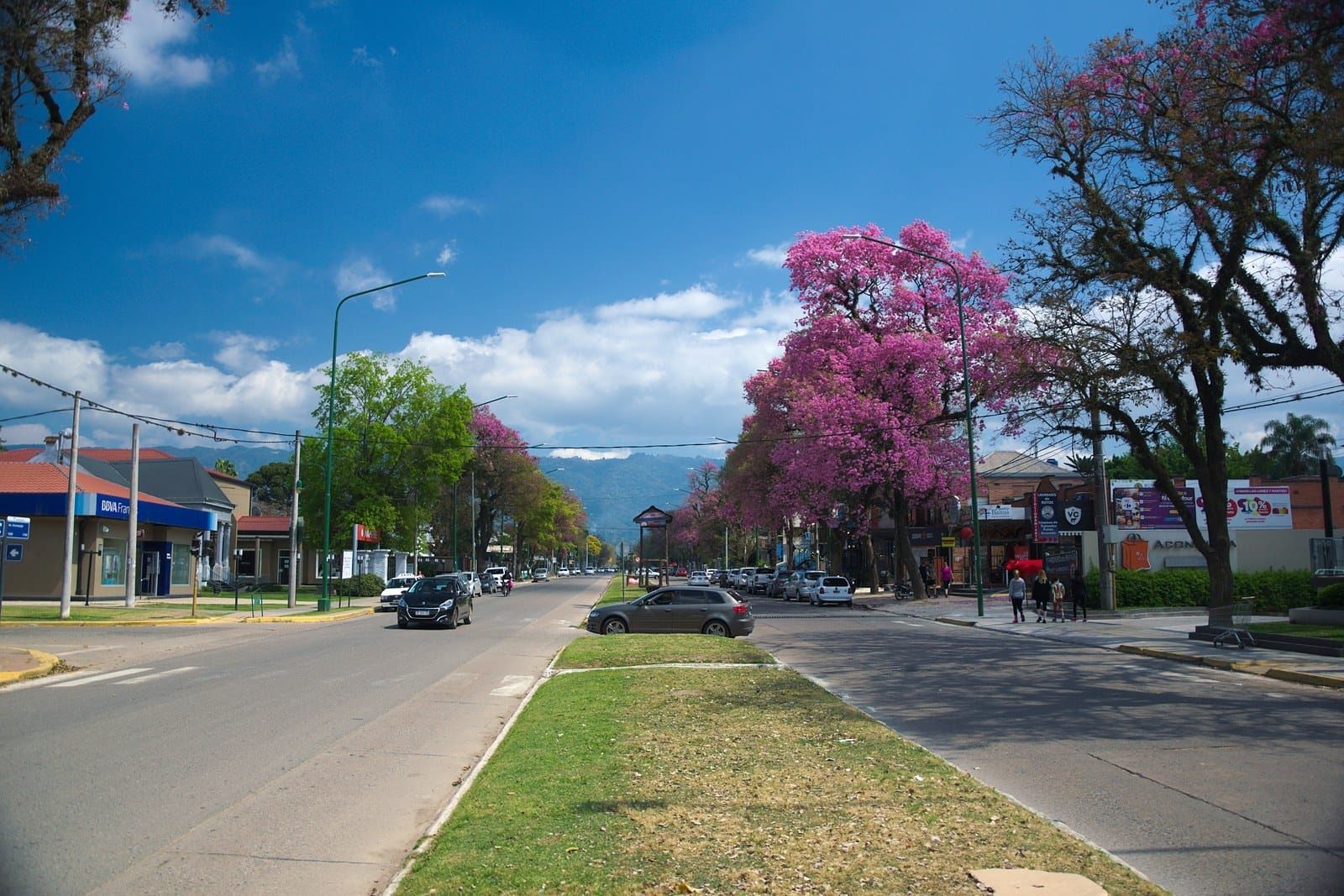
When San Miguel de Tucumán, in Argentina's north west, trims its street trees, the shredded branches now have somewhere useful to go. At the National University of Tucumán and the PROIMI research centre, part of Argentina's national science council CONICET, PhD candidate Lourdes Maldonado and her colleagues are developing a soil treatment that pairs actinobacteria, tiny microbes able to break down certain chemicals, with small wood chips made from branches supplied by the city council. Those chips act as a carrier, helping the bacteria settle into the soil and get to work on atrazine, a weedkiller used on maize, sorghum and sugarcane that can linger in the ground for months. In laboratory tests the bacteria stayed 90 to 100 per cent viable after 90 days in storage, and the mix still cut atrazine by 40 to 50 per cent in just 96 hours.
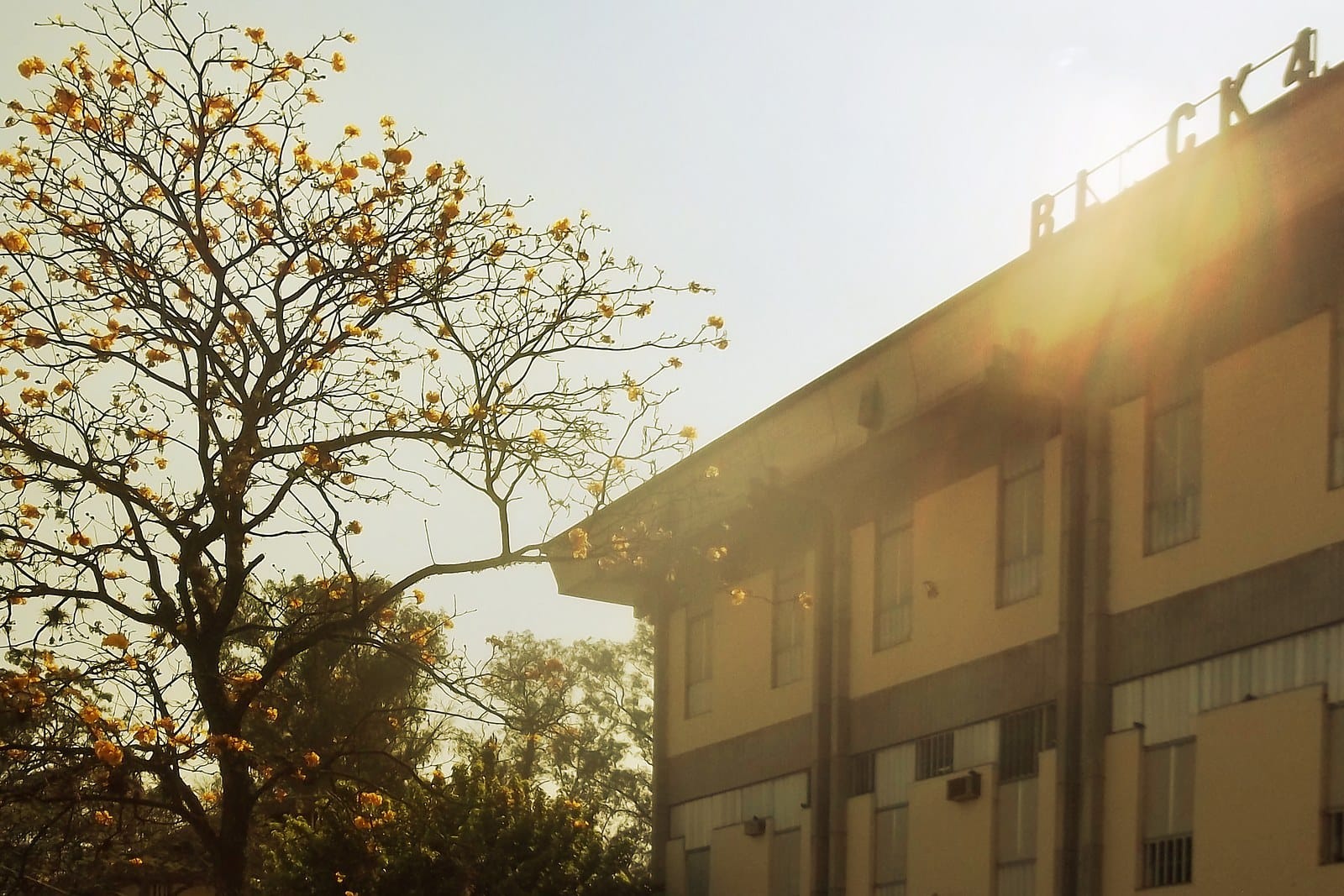
Maldonado, a biotechnology graduate now studying for her doctorate in biochemistry, says using city prunings gives an urban leftover a second life and keeps costs low. She works in PROIMI's Actinobacteria Biotechnology Laboratory, in a group led by Dr Claudia Benimeli, who has been helping polluted places recover since the late 1990s, with Dr Enzo Raimondo as co director and biotechnology student Sofía García alongside. It is honest to say this is early days. Next come small trials in real soil, and after that, larger plots to see how the treatment might work on farms. Maldonado will share the results at the 33rd Young Researchers Conference of the Montevideo Group universities association, AUGM, a gathering of researchers in training from across Latin America. From a city avenue to a cane field, a tree's offcuts may yet help the ground grow cleaner.
Sources and links
An Earth to Sea News story. Figures from the National University of Tucumán (Medios UNT, 21 October 2026) and Argentina Investiga (16 November 2026). Photographs: as credited in captions.