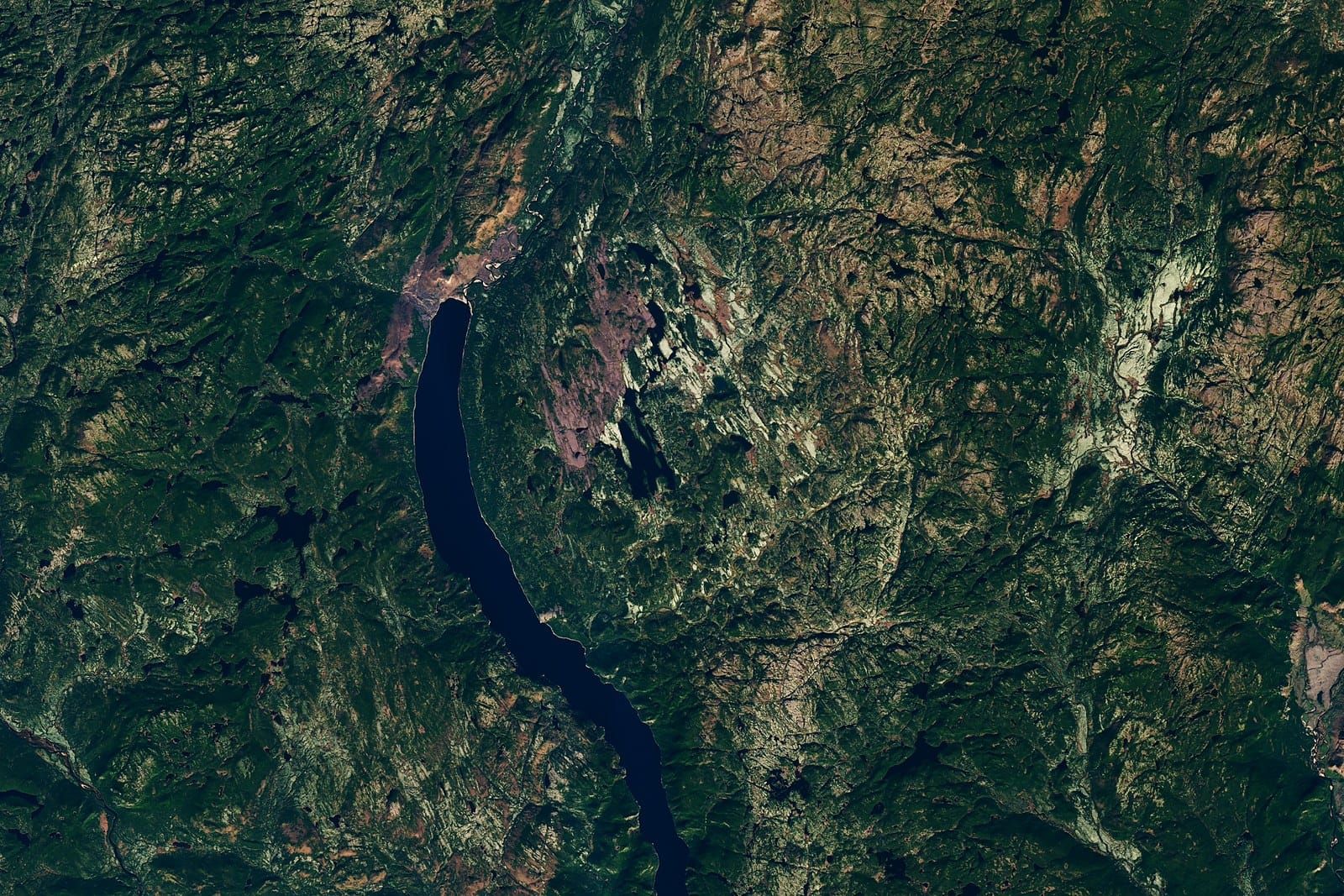
In 2024 Joel Lapointe, an amateur astronomer in Quebec, was planning a camping trip to the Cote Nord, the wild, lake pocked country north of the St Lawrence, and was scrolling satellite maps looking for a good spot when he noticed a circle. Around a lake called Marsal the land seemed to curve, a ring some 25 kilometres across, the sort of shape a person who spends nights looking at the moon knows well. He wrote to researchers in Europe and North America. French scientists took it seriously enough to list the site as a possible impact structure at the Meteoritical Society's meeting that year, and that caught the eye of Gordon Osinski, a planetary geologist at Western University in Ontario who runs the Impact Earth database of every confirmed crater on the planet. In October 2025 Osinski and colleagues from CEREGE, a research centre in France, flew in by floatplane to see for themselves.
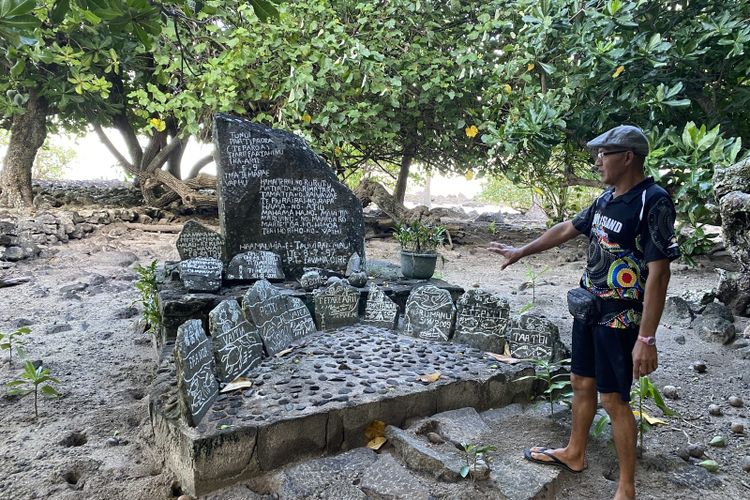
What they found, once they had waded through the swamp and the bugs, was the one piece of evidence that settles the question: shatter cones, rock fractured into nested cone shapes that only form under the shock of a cosmic impact. In Osinski's words, it is the only unequivocal evidence of an impact event you can see in the field with the naked eye. Rock samples put the strike at roughly 390 million years ago, a time when the first forests were spreading across the land, and the structure has a central uplift and columns of jointed rock, the signature of a large, complex crater. After consultation with the Innu Council of Ekuanitshit, whose territory it is, it was named Uhackatik. NASA's Earth Observatory made it the Image of the Day on 15 September, and Adam Voiland, who wrote it up, drew the obvious lesson: the satellite maps are open to everyone, and there are still enormous things on this planet waiting for someone curious enough to look twice. Lapointe, presumably, still has a camping trip to take.
Sources and links
Our short take: the full story is by Adam Voiland for NASA Earth Observatory (15 September 2026), with additional detail from ScienceDaily (21 September 2026).
- An Accidental Impact Crater Discovery, by Adam Voiland, NASA Earth Observatory The image of the day and the story.
- A strange circle on satellite maps turned out to be a 390 million year old impact crater, ScienceDaily The confirmation.
- Impact Earth database, Western University Osinski's catalogue of the world's craters.