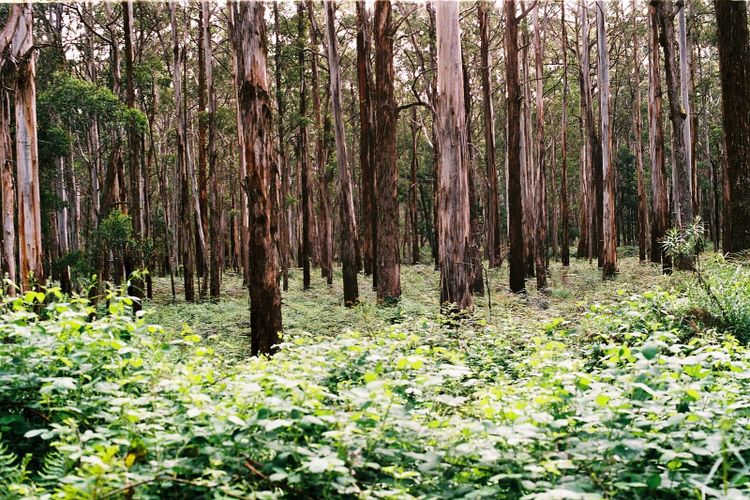
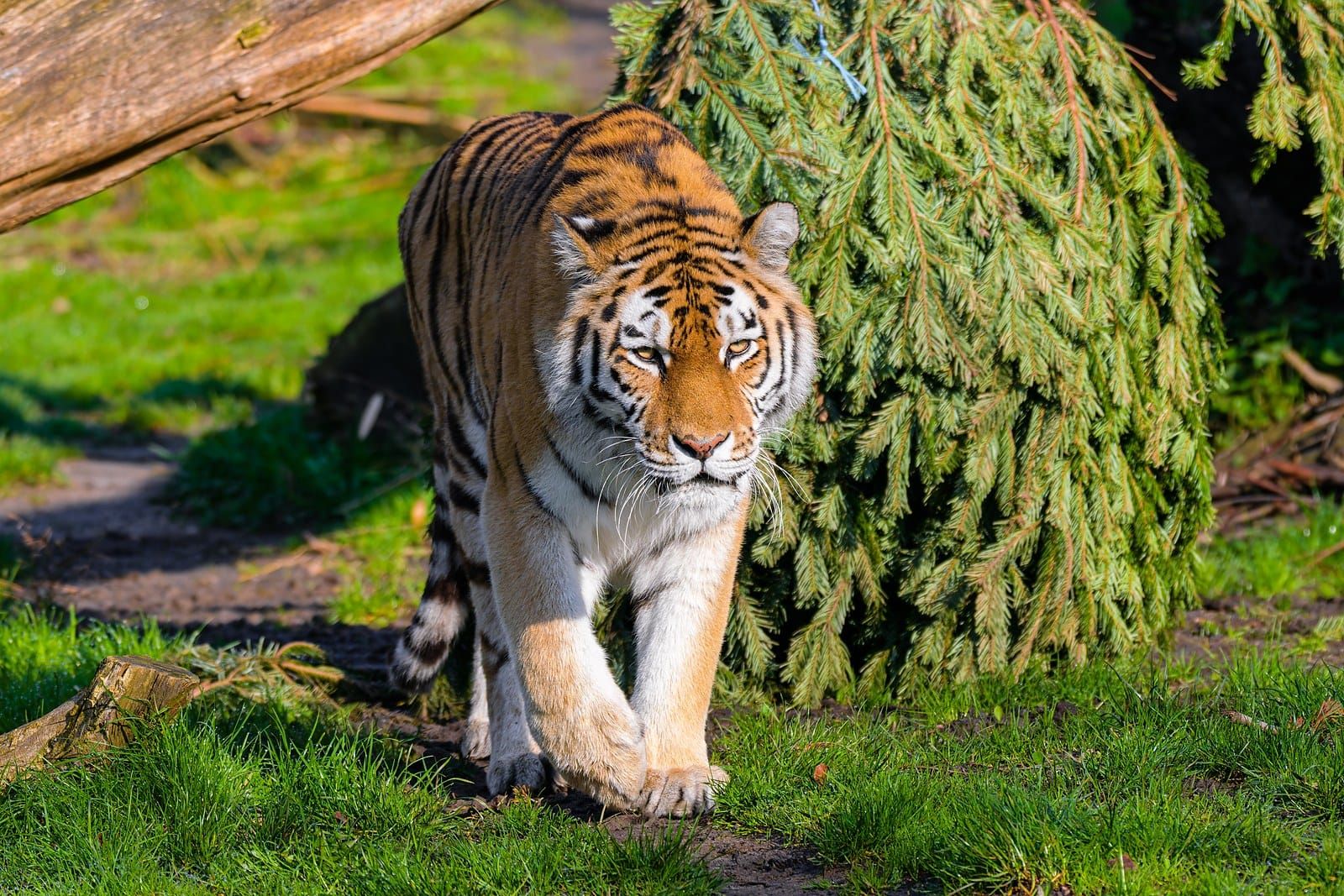
Tigers once hunted the reed beds and riverside forests around Lake Balkhash, in the south east of Kazakhstan, a subspecies known as the Caspian or Turan tiger. Its last confirmed sighting in the country was in 1948. On 31 July 2026, at the Ile Balkhash State Nature Reserve, a keeper opened a gate and an adult female Amur tiger named Umit, which means hope in Kazakh, stepped out into the tugai forest wearing a satellite collar that reports where she goes. Kazakhstan's ecology minister, Yerlan Nyssanbayev, put it simply: for the first time in more than 70 years since tigers were wiped out here, a tiger has been brought back. Amur tigers are the closest living relatives of the vanished Turan tiger, and this is the first attempt anywhere in the world to return tigers to a country that had lost them entirely.
None of it happened quickly, and that is the part worth telling. Ile Balkhash was created as a reserve in 2018, a million and more acres of river delta on the Ili where it meets the lake, and the first work was not tigers at all but their dinner. Bukhara deer and kulan, a wild ass of the steppe, were brought back to the delta first and left to build their numbers, so that a tiger arriving years later would find a living larder. Four tigers came from the Khabarovsk region in Russia's far east in May 2026, a gift between the two countries: Umit, a male named Amur, and two cubs of six or seven months called Turan and Ussuri. Amur is still in a large adaptation enclosure while the reserve's biologists watch how he hunts, and the cubs will stay in their own enclosure until they are past eighteen months old and able to look after themselves. If all goes well, the programme, run by Kazakhstan with WWF and the United Nations Development Programme, aims for a healthy population of fifty tigers in the reserve by 2035. For now there is one, and she is out there somewhere in the reeds, doing what her kind did here for thousands of years, with a whole country quietly cheering her on.
Sources and links
Our short take: the full story is by Yenni Kwok for Mongabay (10 August 2026) and by Euronews (5 August 2026), drawing on Kazakhstan's Ministry of Ecology and Natural Resources and WWF.
- Kazakhstan releases first tiger into the wild in 70 years, by Yenni Kwok, Mongabay The release and the reserve.
- First tiger released into the wild in Kazakhstan, Euronews The four tigers and the flight from Khabarovsk.
- The tiger has returned, WWF Central Asia The programme and the 2035 goal.
- The Astana Times report, August 2026 Kazakh national coverage.