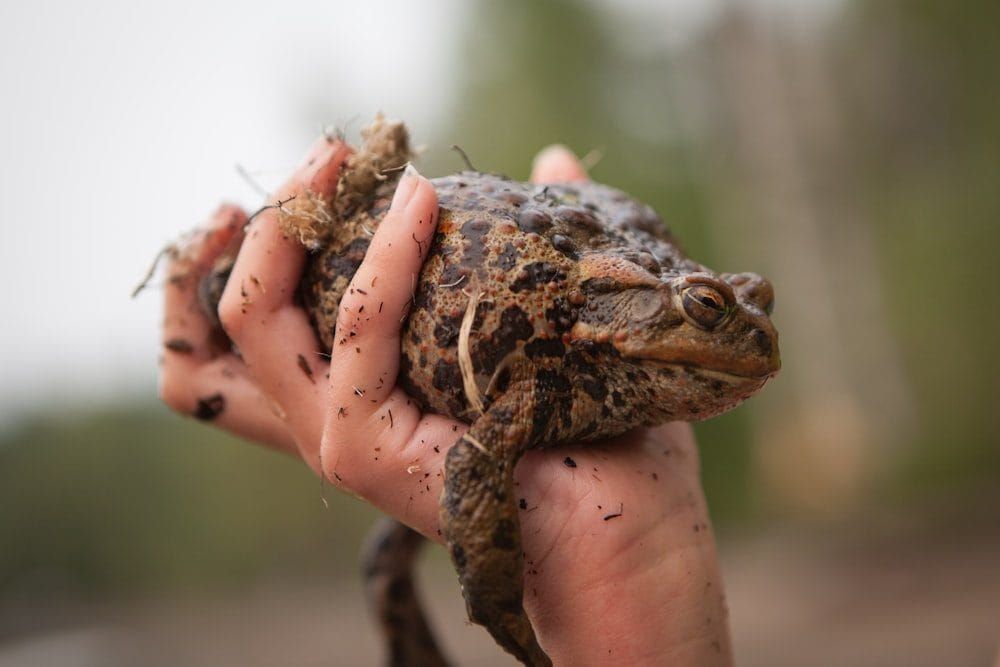
Some of the most useful ecological data in Australia is gathered by people who are not scientists at all. Point the FrogID app at a pond after rain and the call it records goes into the national frog count. Log an echidna sighting with Echidna CSI and you join a project that has already shown these shy animals are quietly living inside Adelaide and Sydney. Spot a koala and report it through I Spy Koala. Sit at a window for twenty minutes for the Aussie Backyard Bird Count, or listen for cicadas and record them through iNaturalist, whose observations flow into the Atlas of Living Australia and end up shaping what researchers and policymakers know. If you would rather stay on the couch, DigiVol lets you identify animals in camera trap photographs from anywhere.
None of this is decorative. These records build the long runs of data that show where a species is holding on, where it is spreading and where it needs help, at a scale no research team could ever cover alone. National Science Week runs from the fifteenth to the twenty third of August with the theme Seeds of Science, and if you would like a place to start, Sydney alone is offering tours of a hydroponic farm beneath a Barangaroo carpark, conservation apps to try at Sydney Zoo, and a First Nations Science Village at Centennial Park. Our own directory keeps a running list of the projects worth joining. Bring your curiosity and whatever is in your pocket.
Our short take: details from CSIRO, the Australian Museum, the Atlas of Living Australia and National Science Week.