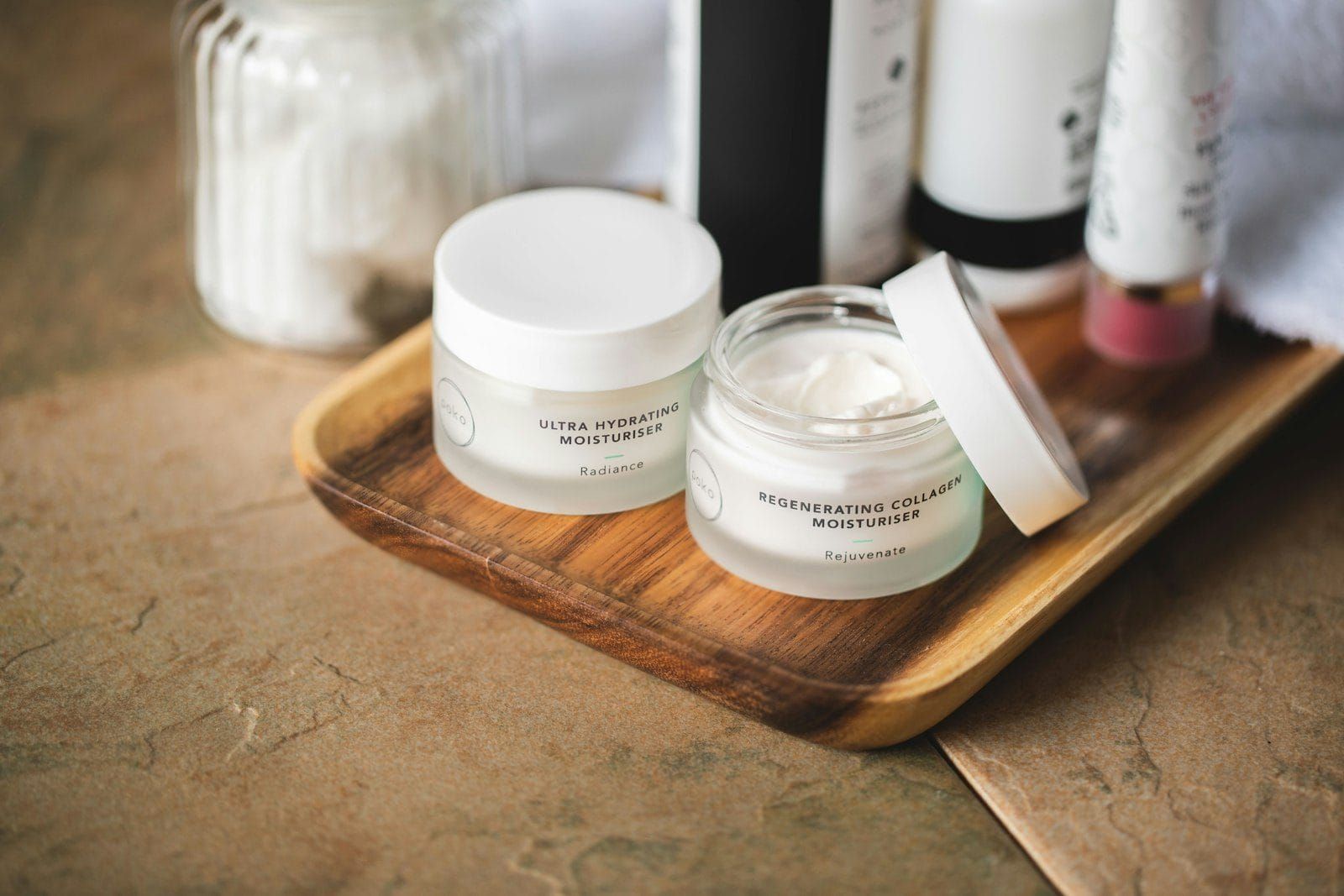
For most of a century, beauty has come in a beautiful container designed to be thrown away. That is finally changing, and the change is coming from both ends of the counter at once. Shoppers started it: sales of refillable beauty products have multiplied several times over since 2022, according to the market researchers at Circana, as people discovered the quiet satisfaction of owning one lovely jar and simply filling it again. The industry has noticed. This February, Aveda became the first prestige beauty brand to commit to taking a new kind of refill global: a soft, featherweight pack developed with the packaging company AeroFlexx that uses up to 70 per cent less plastic than the two rigid bottles it replaces, and can go straight into an ordinary kerbside recycling bin. The refills arrive on Aveda's best selling products early next year.
And the materials themselves are getting gentler. Films made from seaweed that dissolve without a trace are moving from artisan experiments into industrial production, and packaging grown from mushroom roots is turning up where foam once was. None of this asks anyone to give up the small daily pleasure of something lovely on the bathroom shelf. It just asks the container to stay, and the waste to go. Our grandmothers kept the good jar and refilled it without ever calling it sustainability, and there is something rather wonderful about a global industry spending millions to rediscover the habit. The prettiest thing on the beauty counter now might be the bin that stays empty.
Our short take: the Aveda and AeroFlexx partnership was announced by The Estee Lauder Companies in February 2026; refill growth figures are from Circana; materials trend reporting by BeautyMatter and Towards Packaging. Photograph: Unsplash.