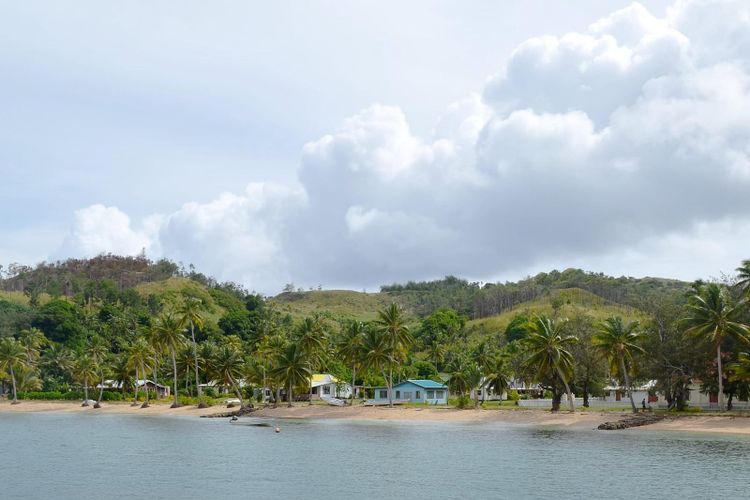
Clayoquot Sound is a maze of inlets and islands on the wild side of Vancouver Island, and for ten thousand years the Tla-o-qui-aht people fished its kelp forests. This year, at the Baxter Islets just off Tofino, the Nation has partnered with the Redd Fish Restoration Society and a small company called West Coast Kelp to grow those forests back on purpose. Four nursery lines, each 330 metres long, hang below the surface where sea urchins cannot reach them, and on them baby bull kelp and giant kelp are raised from spores. Bull kelp can grow fifteen centimetres in a day. In its first season the nursery produced about 2,900 cubic metres of kelp habitat, enough to fill 1,900 pickup trucks, and as the plants mature the team lifts some off the lines and transplants them around the Sound, restoring thinned forests and seeding new ones. By early October more than 4,200 square metres of new kelp had been planted, with the second year aiming to double it. Nora O'Malley of Ha-Shilth-Sa, the Nuu-chah-nulth nations' own newspaper, reported the launch in February; Jennifer Cole of Mongabay followed the lines into the water this month.
Read the full story: Kelp restoration project aims to rebuild salmon abundance in Clayoquot Sound, by Nora O'Malley, Ha-Shilth-Sa.
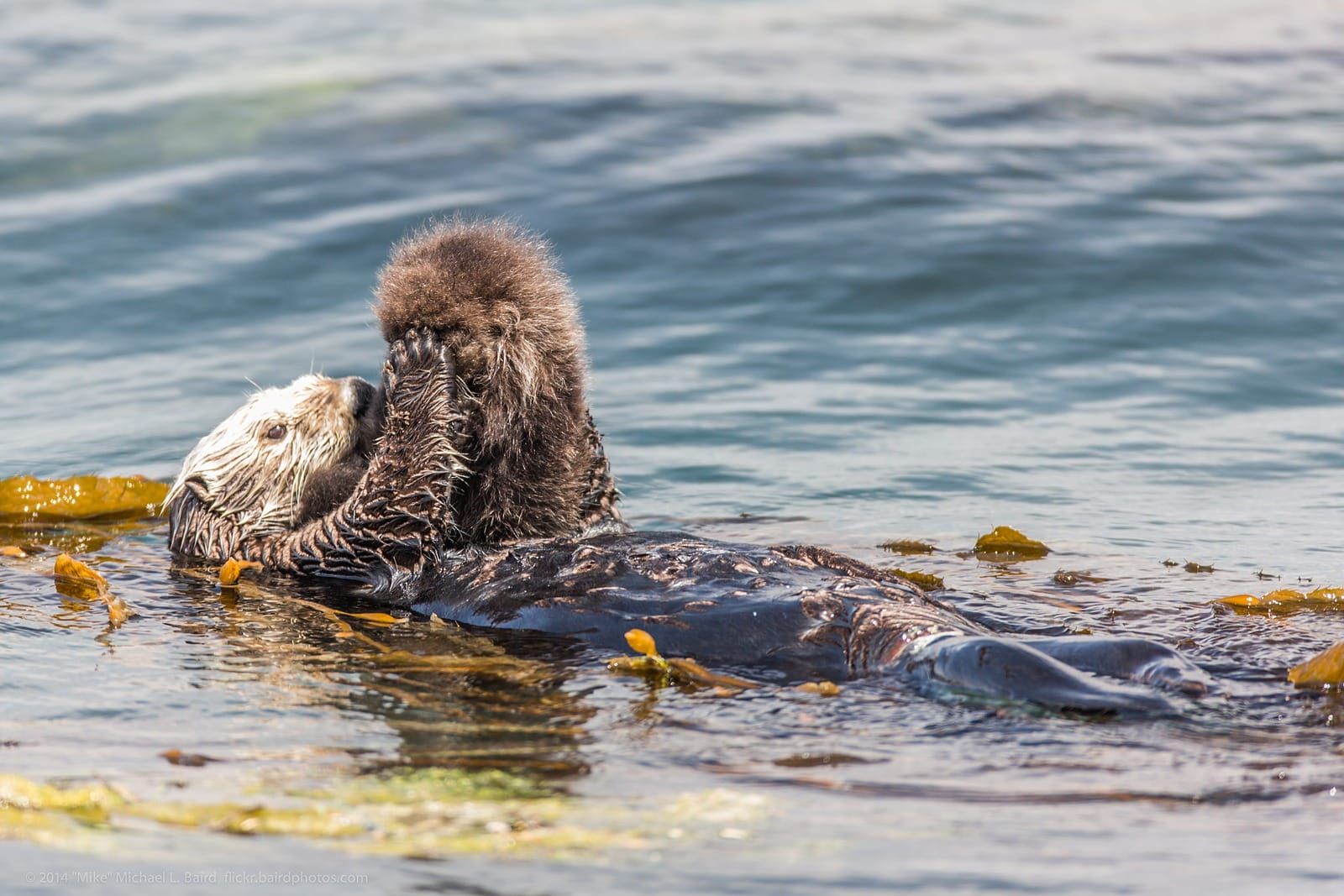
Kelp is where the Sound's young salmon and Pacific herring shelter and feed, which is why the Pacific Salmon Foundation, WWF Canada, the Sustainable Ocean Alliance, the Clayoquot Biosphere Trust and the provincial government put up about $240,000 to start. Underwater cameras will have gathered some 87,000 minutes of footage by the end of year one, and Hannah Kobluk, a PhD candidate at Simon Fraser University, is measuring what the new forest does for the fish. "We want to be able to determine the actual benefit," said Emily Fulton, Redd Fish's marine program manager. Then there are the otters. Hunted out of these waters in the fur trade, sea otters have returned to Clayoquot Sound in their hundreds, and every urchin they eat is one fewer grazing on young kelp. "A society that thrived on the West Coast for 10,000 years lived under abundance," said Saya Masso, the Nation's natural resources manager. Tatt Charlie, a Tla-o-qui-aht tribal guardian, put the aim simply: "To have that balance is what we're trying to achieve." Tom Campbell of West Coast Kelp calls it a long game, "and we work with First Nations to make sure projects are designed and linked with their priorities." A forest, after all, is measured in decades, and this one has only just been planted.
Sources and links
Our short take: the full story is by Nora O'Malley for Ha-Shilth-Sa (10 February 2026), with the October progress from Jennifer Cole for Mongabay (6 October 2026).
- Kelp restoration project aims to rebuild salmon abundance in Clayoquot Sound, by Nora O'Malley, Ha-Shilth-Sa The launch, the budget, the Baxter Islets, Campbell's quote.
- Science, Indigenous knowledge team up to restore Canada's kelp, by Jennifer Cole, Mongabay The October numbers, the otters, Masso, Charlie, Fulton, Kobluk.
- Redd Fish Restoration Society The restoration society.
- Tla-o-qui-aht First Nation The Nation.