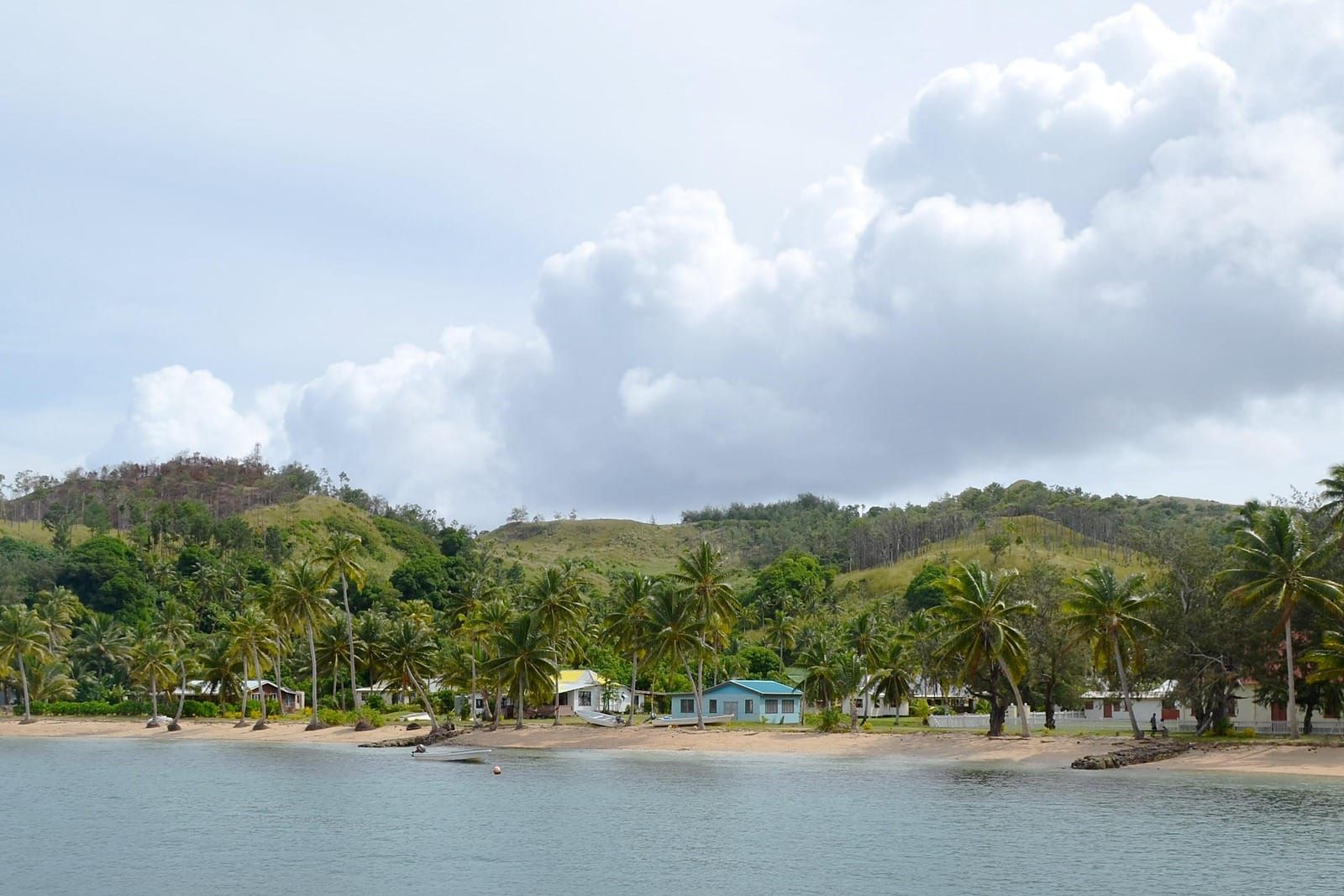
Drive the Queens Road along the south coast of Viti Levu and you pass Naidiri without noticing it: a village of fewer than 150 people in Nadroga, with the reef flat right there beyond the beach. Sixteen years ago that reef was in trouble. "We saw overfishing, and we were restoring fish," says Manoa Duwai, who co founded what is now the Naidiri Biodiversity Park. "There was no coral and no juvenile fish. We thought, if this is the case, what will our children ever have? That was when we came up with the idea of a marine protected area." In 2009 the village declared a tabu, a traditional no fishing zone, along about 3.6 kilometres of its shoreline, and left it alone. Two years later its young people formed a youth group to look after it, the first of its kind among the 22 villages of Nadroga. In 2023 alone the community planted 18,000 corals on frames in the lagoon and 10,000 mangroves along the shore. Last year the park took first prize in its category at the OceanLove Innovation Awards in Barcelona, chosen from 260 entries from 64 countries. Waisea Nasokia of the Fiji Sun visited this week and found the fish back, the frames full, and the young people asking for more.
Read the full story: Naidiri youths protect ocean for next generation, by Waisea Nasokia, Fiji Sun.
More, in Naidiri, means further. Joseva Kungado, the village youth leader, told the Fiji Sun that the tabu must continue and its boundary should be extended out to sea, because the pressure on the reef has not gone away. Storm surges have smashed coral frames and the cages where giant clams are grown, and each time the youth group has rebuilt them. "We don't want our future generation to say our parents and our forefathers did not give something to us," Kungado said. "We want to leave something for them." On Monday a group of visitors planted coral with them at Naidiri Bay, among them Brianna Fruean, the Samoan Pacific leader, and Kal Glanznig, a young Australian ocean champion, who said it was "fascinating to see such incredible work by the youths of Naidiri." It is the simplest conservation there is, and it is the kind that works best close to shore, where the people who gave the water its rest can wade out and watch it heal.
Sources and links
Our short take: the full story is by Waisea Nasokia for the Fiji Sun (6 October 2026).
- Naidiri youths protect ocean for next generation, by Waisea Nasokia, Fiji Sun The visit, the numbers and every quote.
- Naidiri Marine Biodiversity Park The park and the youth group.
- Naidiri park wins top global ocean award, FBC News The OceanLove award, 2025.