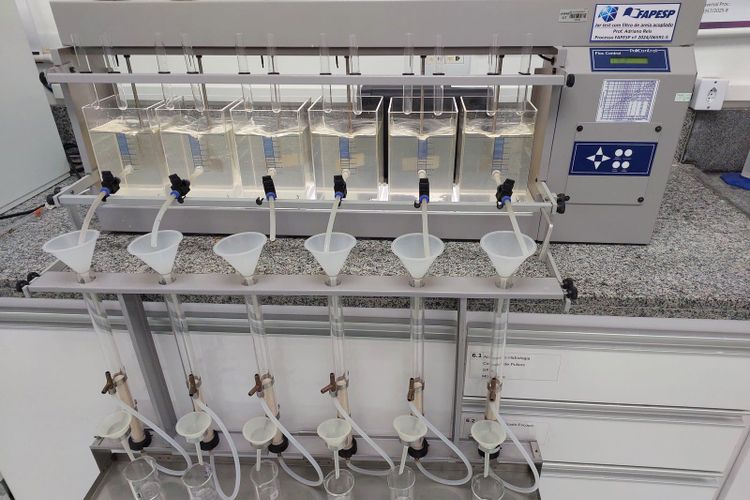
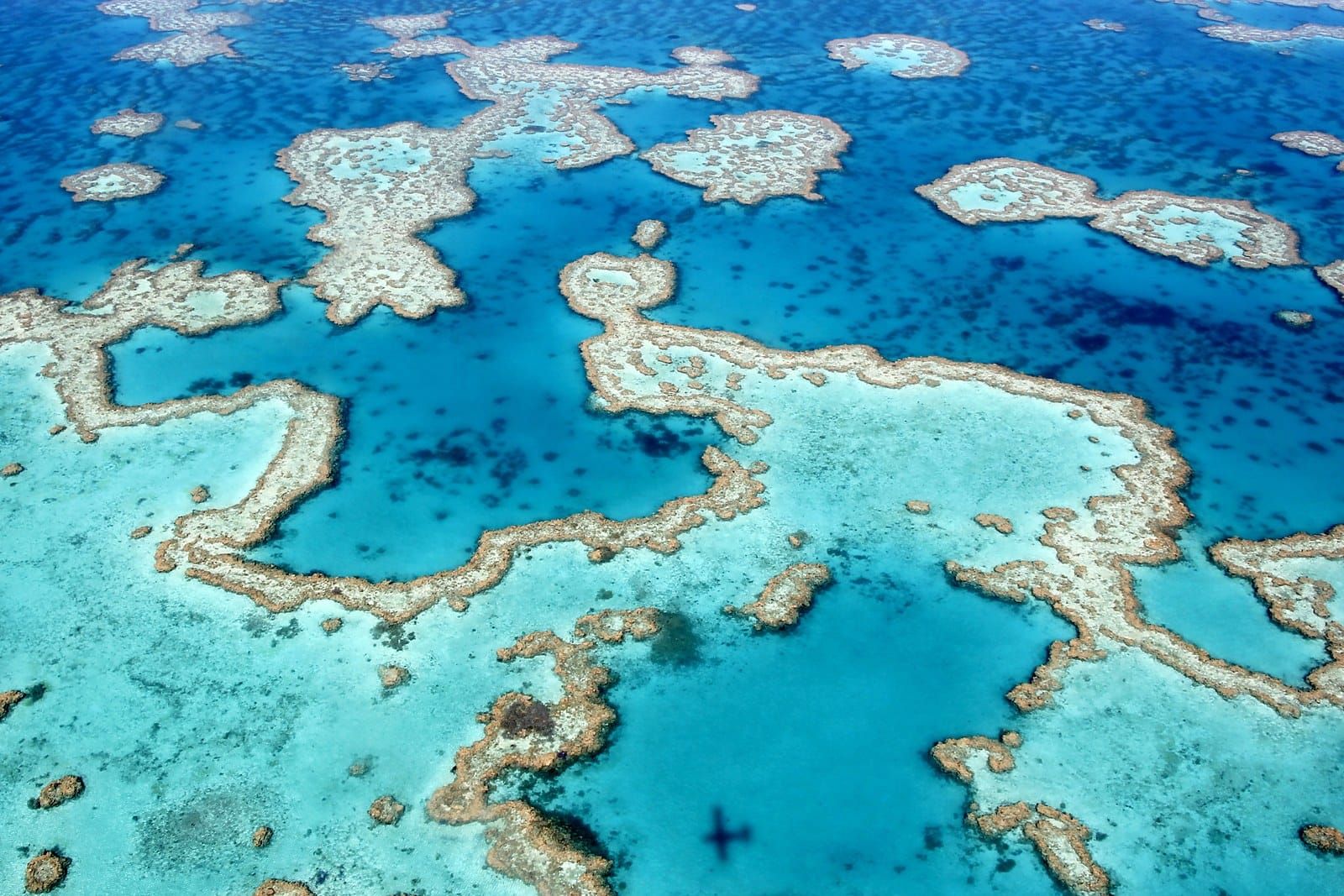
Every spring, a few nights after the full moon, the corals of the Great Barrier Reef release their eggs and sperm all at once and the water fills with drifting pink bundles. Most of the larvae that hatch are carried off by the current, and on a patch of reef that has lost its coral, too few ever arrive to start again. Peter Harrison of Southern Cross University has spent decades catching that spawn and returning the larvae to bare reef, and with Christopher Doropoulos, a senior research scientist at CSIRO, he has now built the simplest tool of the lot: the larval seedbox. It is a small, clear, rectangular container that holds millions of coral larvae collected during the spawning and releases them slowly over the exact stretch of reef that needs them, giving the larvae time to find a spot and settle rather than being swept away. At Lizard Island in 2024, the first big trial, coral settlement across thousands of square metres of reef was up to 56 times higher than the team's previous methods, results published in the journal Ecological Applications.
Doropoulos describes the boxes as simple, cost effective, and a dramatic improvement in the survival of coral larvae, which is the whole point: a tool cheap enough and light enough to go out on an ordinary dive boat. In November 2025 the team went back during the spawning, this time in the Whitsundays with the Boats4Corals program, where local tourism operators lend their boats and crews to the work, and Harrison expected to release up to twenty million larvae across several sites. In January this year the Great Barrier Reef Foundation, which backs the program, reported that the boxes are now being used alongside its Coral IVF work to deliver healthy larvae straight onto the sections of reef that need them most, where as few as one in a million larvae would otherwise survive to adulthood. None of this replaces a healthy reef doing its own spawning, and the researchers say so. But a reef that has lost its corals now has a way to be reseeded by hand, from a box, by the people who dive it every day, and the corals are taking hold.
Sources and links
Our short take: from CSIRO's release on the larval seedbox (November 2025), the Great Barrier Reef Foundation's update (29 January 2026), and Rob Hutchins's report for Oceanographic (12 November 2025).
- New larval seedbox technology to drive coral restoration on the Great Barrier Reef, CSIRO The tool and the Lizard Island result.
- New coral restoration technology helping baby corals beat the odds, Great Barrier Reef Foundation The Whitsundays trial and Coral IVF.
- Millions of coral larvae get second chance on Great Barrier Reef, by Rob Hutchins, Oceanographic The quotes.
- Our story: cloud brightening story Southern Cross University's other reef work.