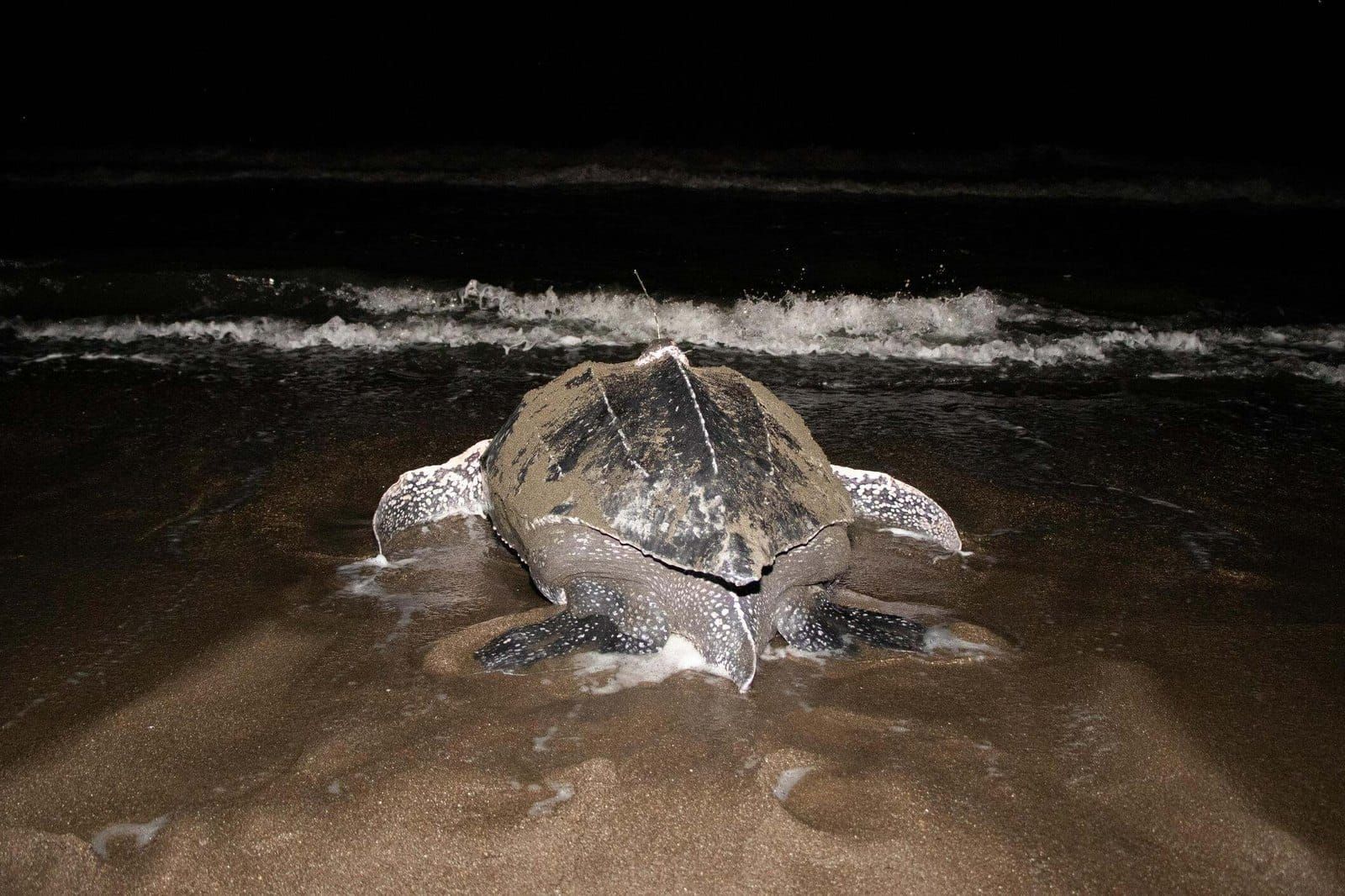
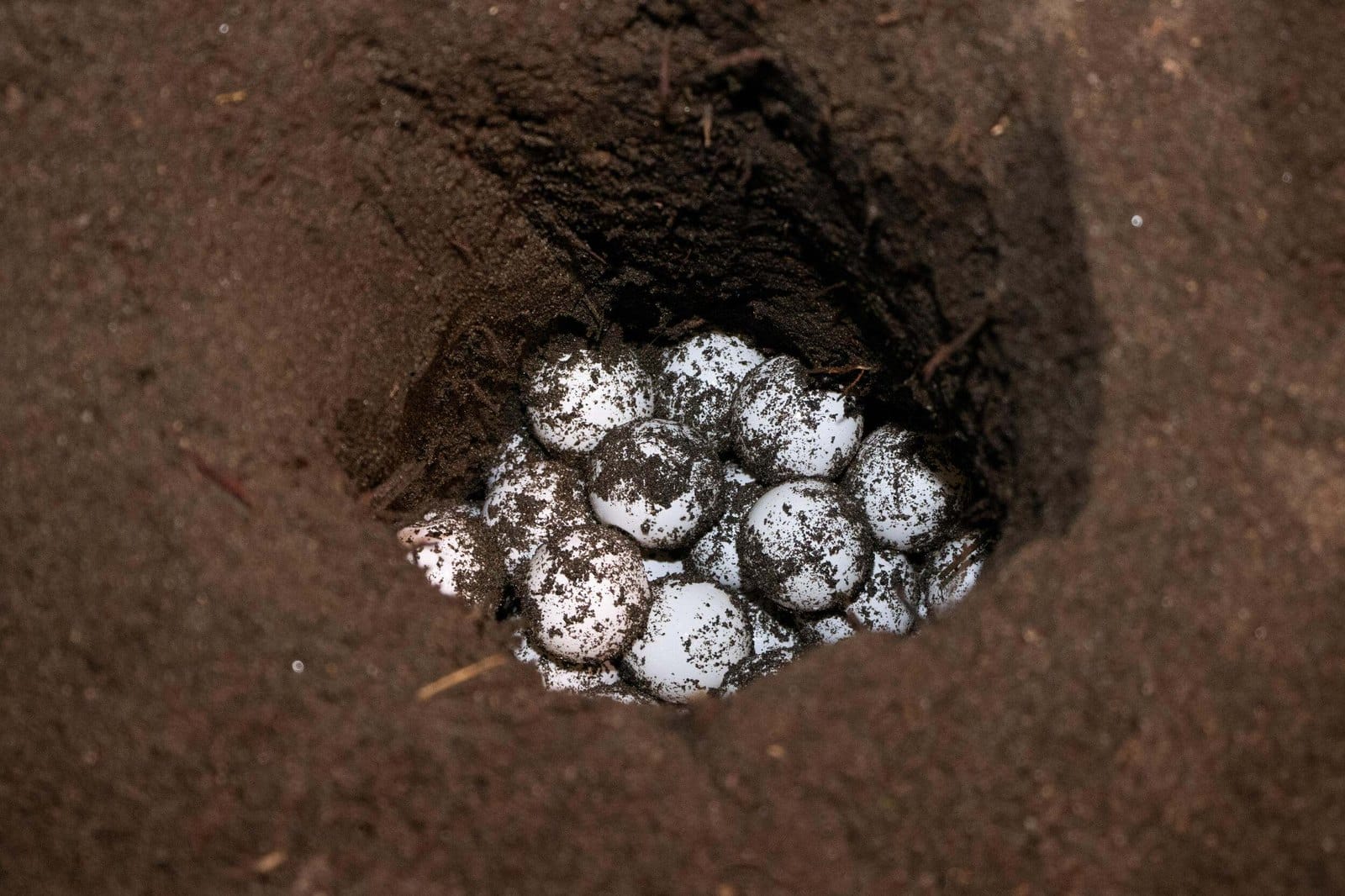
Picture a beach at two in the morning, a torch beam moving slowly along the tide line, and a woman in a green ranger shirt crouched in the sand beside a turtle the size of a dining table. Haevo, in Isabel Province in the Solomon Islands, is the biggest leatherback nesting beach in the country, and the people of the villages around it have made it their business to keep every nest safe. They know the turtles by name. Ghase Taigo, "the woman who protects and provides care", and Fari Kuti, "one nest together", are regulars, and when Fari Kuti's eggs were laid too close to the water the rangers lifted them, every one, and buried them again higher up the beach. This month The Nature Conservancy published the numbers behind more than a decade of those nights, in Global Ecology and Conservation, and they are lovely: since the beach came under constant watch, the number of leatherback nests at Haevo has climbed by roughly a tenth every year. Count the four beaches the rangers now look after and there are about 381 nesting turtles between them.
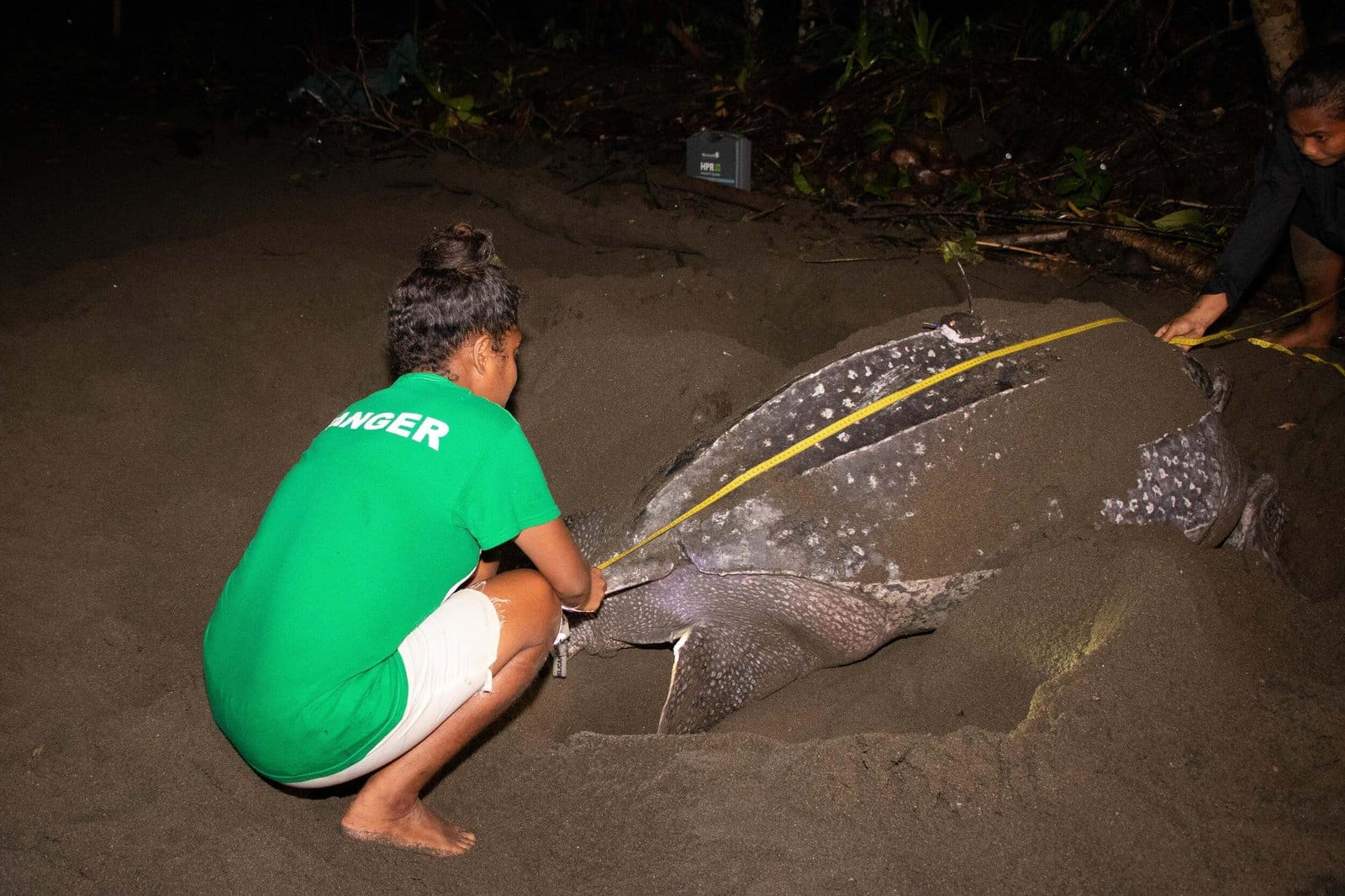
Half the joy is who is doing the counting. Five years ago there were no women rangers in the Solomon Islands; now more than twenty have trained and work the beaches, paid for it, and sitting at the table when their villages decide what happens to their coast. Then the satellite tags added a twist that brings the story home: about nine in ten of the turtles that nest in our summer head south afterwards, to the waters off Australia and New Zealand, so a leatherback you might glimpse off the east coast may well have hatched under a Solomon Islander's torch. Even so, the Western Pacific leatherback is still critically endangered, and the scientists are plain that without the patrols there could be fewer than a hundred nesting turtles by 2040. Which is the point. On Haevo the patrols are not stopping, and the photograph of Ghase Taigo sliding back into the surf, watched by the women who guard her, is what a comeback looks like.
Sources and links
Our short take: from The Nature Conservancy's media release (22 October 2026), shared with us by Ainsley Ramsbottom and Melissa Hong of SenateSHJ, and the study below. Photographs: Justine Hausheer/TNC, supplied by The Nature Conservancy.
- the study in Global Ecology and Conservation Nest counts, the 381 estimate, the satellite tracks.
- The Nature Conservancy, the women rangers of the Solomon Islands How a night patrol works.