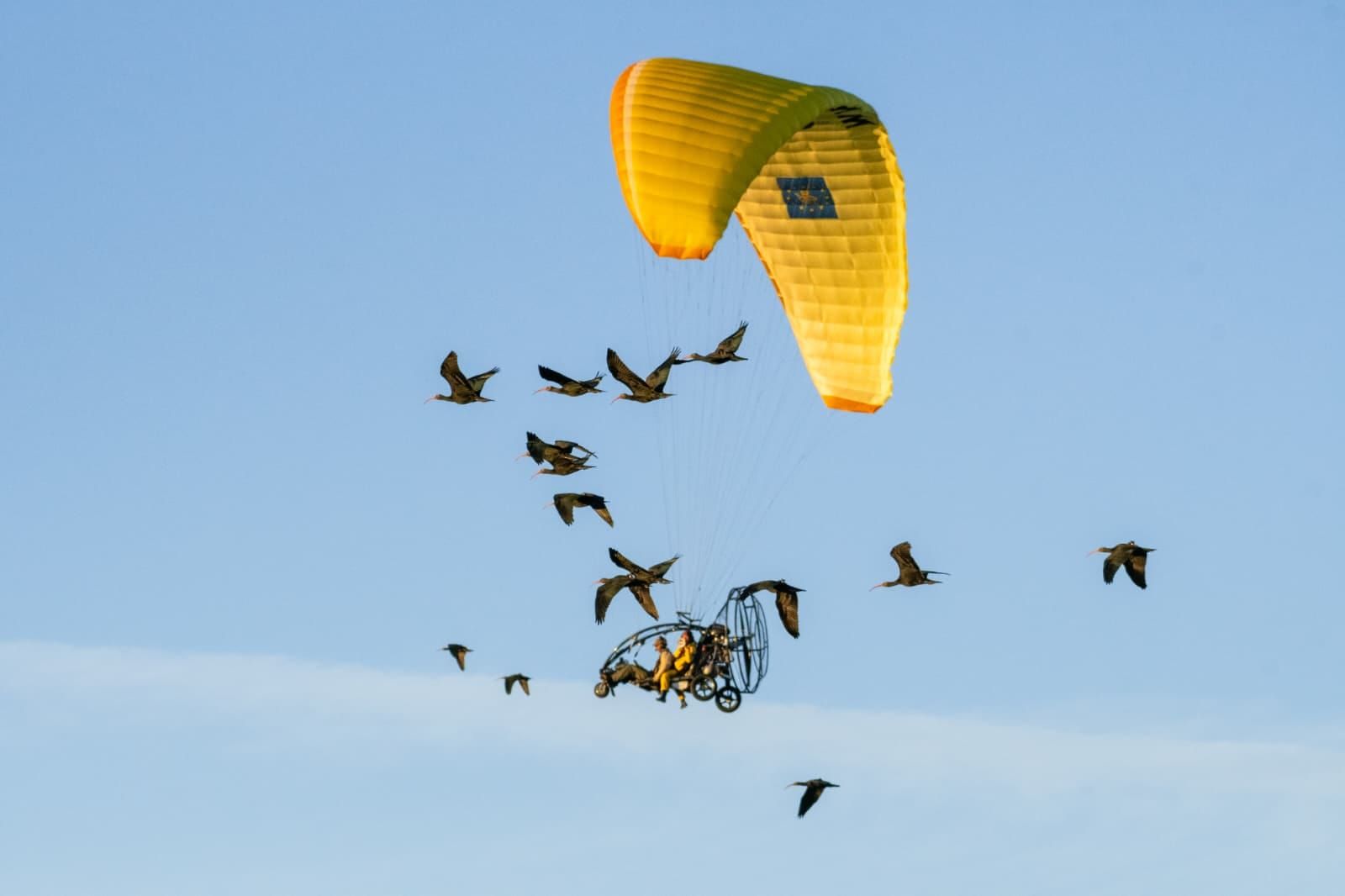
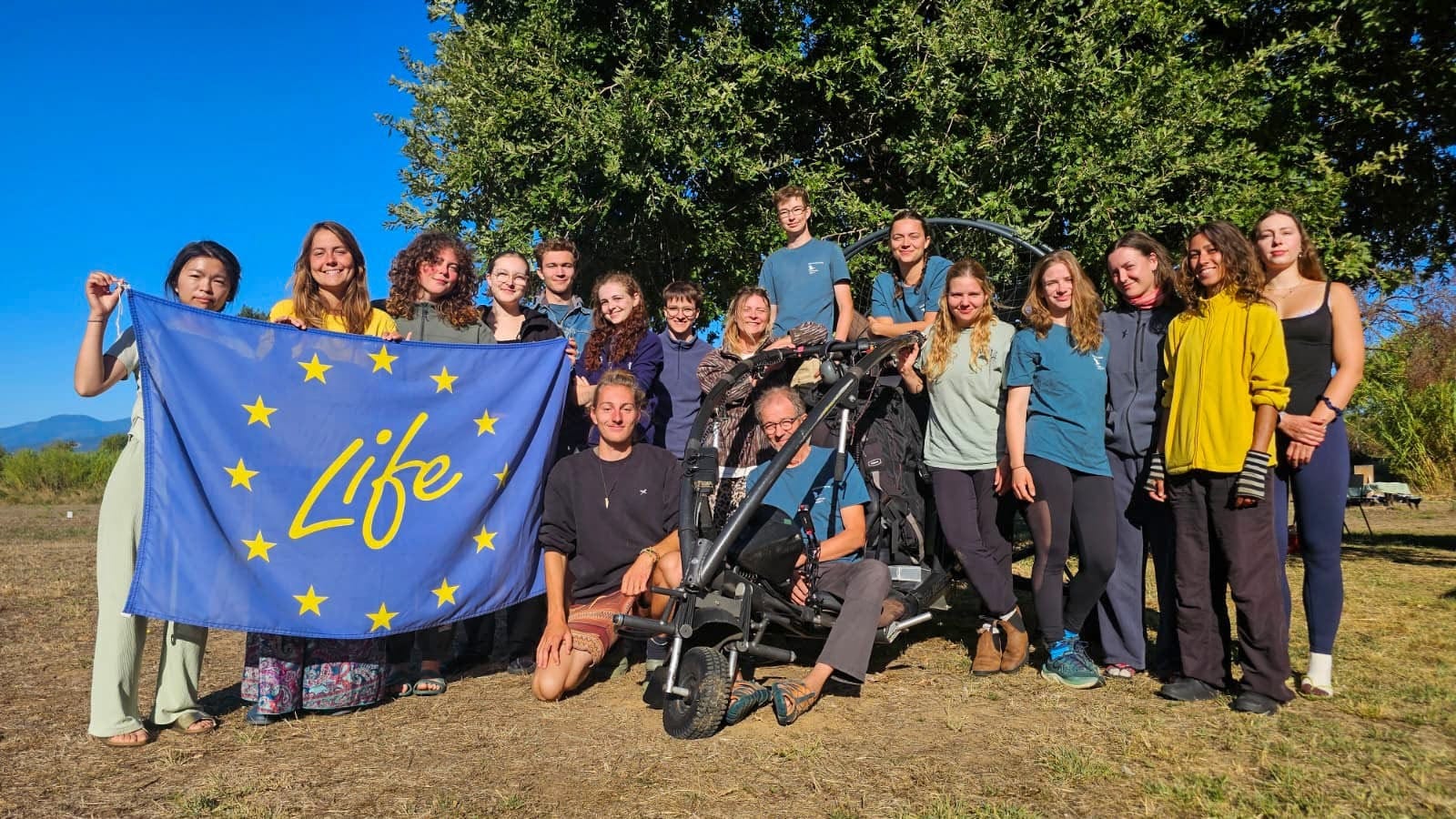
Every spring the Waldrappteam collects a clutch of northern bald ibis chicks from Rosegg Zoo in Carinthia and hands them to two human foster mothers. This year that was Fabienne Tilg and Eszter Bajka, and from the first days the thirty chicks learned their faces and their voices. Through summer, at an airfield at Binningen near Lake Constance, the birds learned something else: to follow a microlight, with the foster mothers in the back seat calling to them and Johannes Fritz at the controls. On 23 August, a week late because of rain, the whole odd flock set off. Ibises cannot cross the Alps in autumn without older birds to show the way, and this species was gone from Europe for about three hundred years, so the team flies them around the mountains instead, west through France, over the Pyrenees and down the length of Spain. Fifteen birds peeled off to join a colony run by the Alive Foundation in Catalonia on 13 September. Fifteen more reached Vejer de la Frontera in Andalusia on 2 October, forty days and about 2,500 kilometres after they left. "We made it," the team wrote in its diary that day. "For us, arriving here feels like coming home."
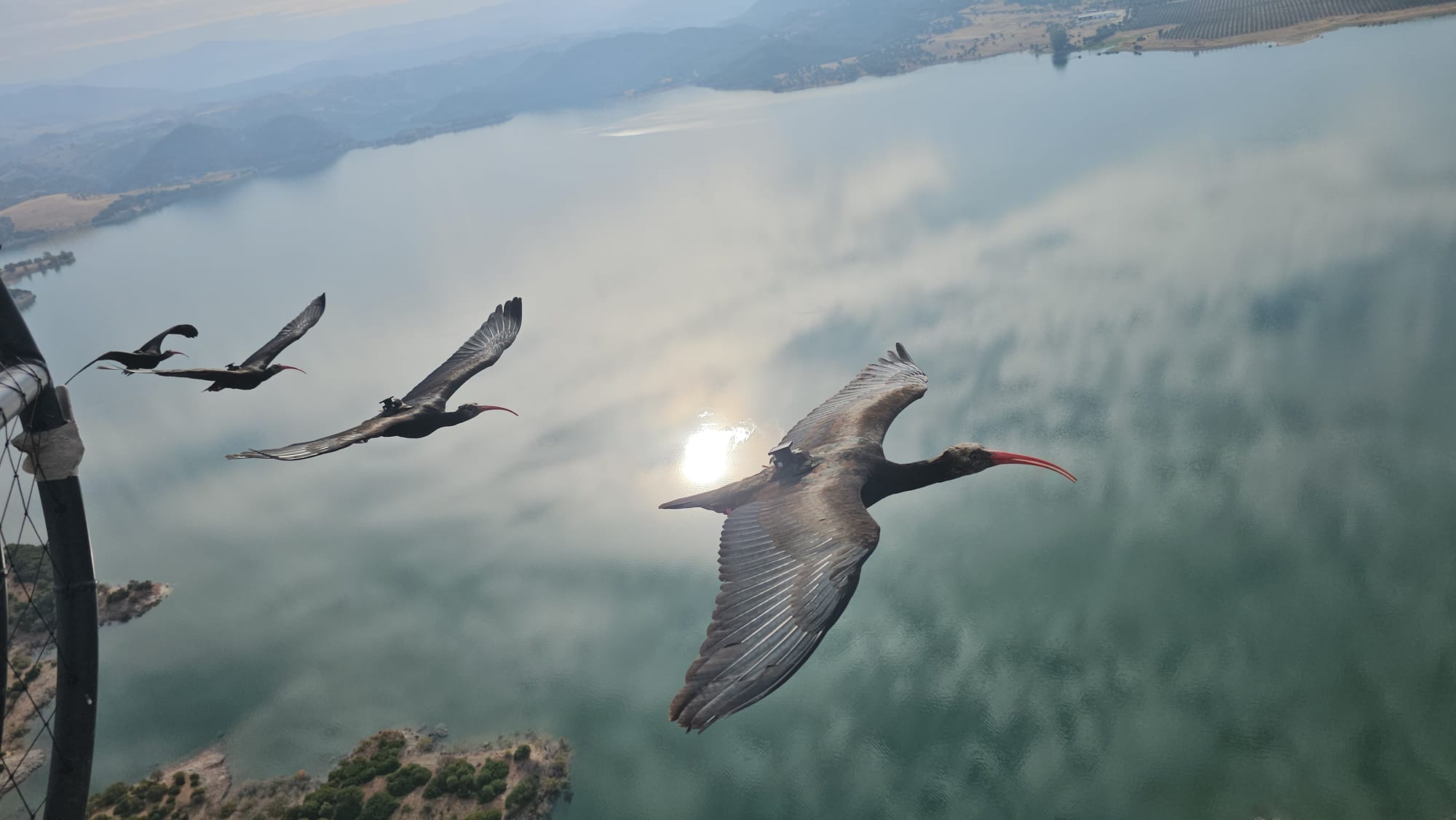
It was not tidy, and the diary does not pretend it was. Five birds turned back at the Pyrenees and had to be collected from the Ardèche. Storms held the convoy near Besançon and Valencia, and on a couple of days the birds simply refused to fly, so they rode in the cars while the plane went ahead. Over winter the fifteen at Vejer will be released into the wild among the ibises already living there, and in about three years, when they are old enough to breed, they are expected to fly back to Lake Constance by themselves, on the route they learned from the back of a plane. About 320 ibises now live in the Alpine population, and the project hopes the flock will be able to look after itself by 2028.
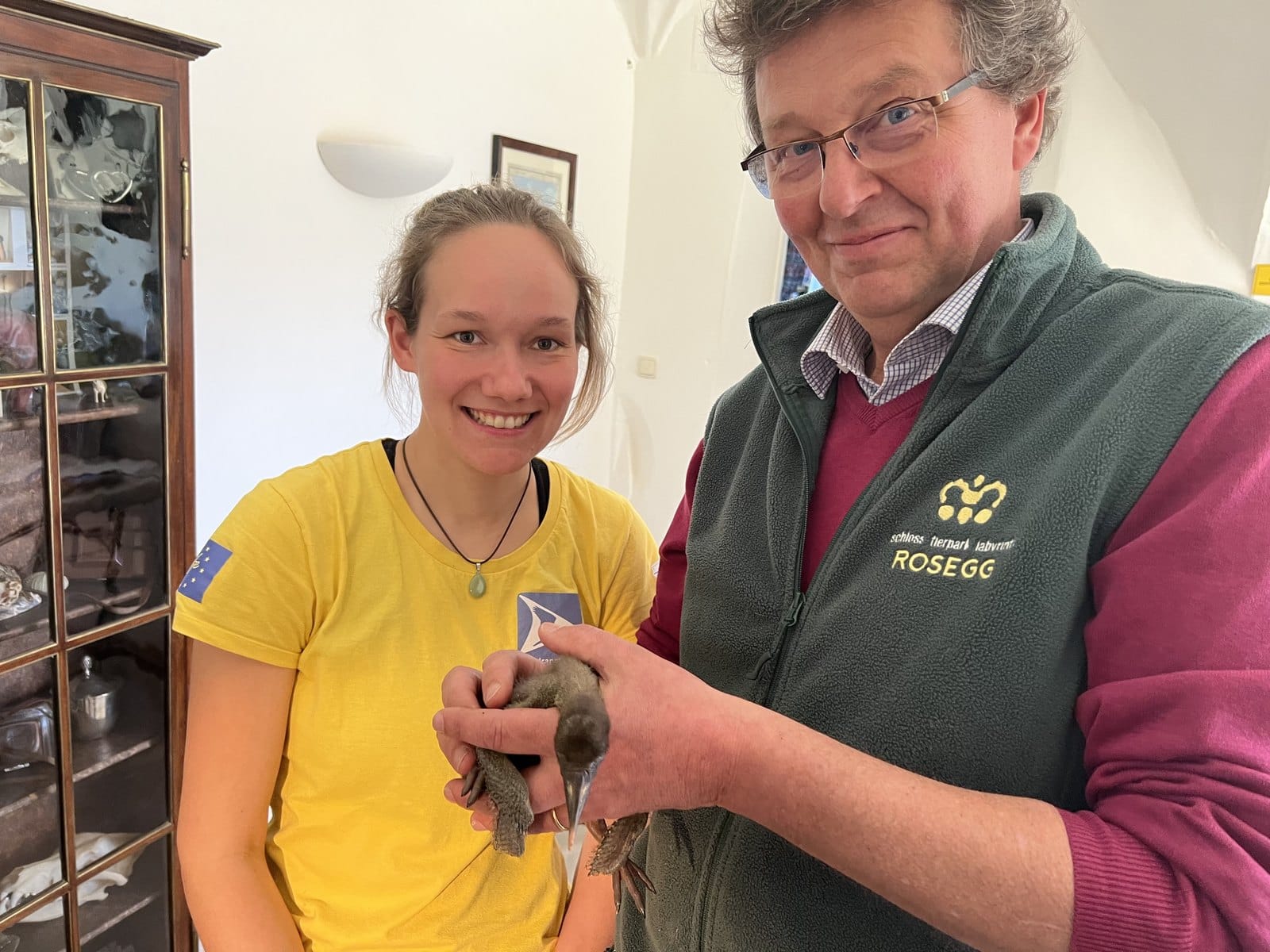
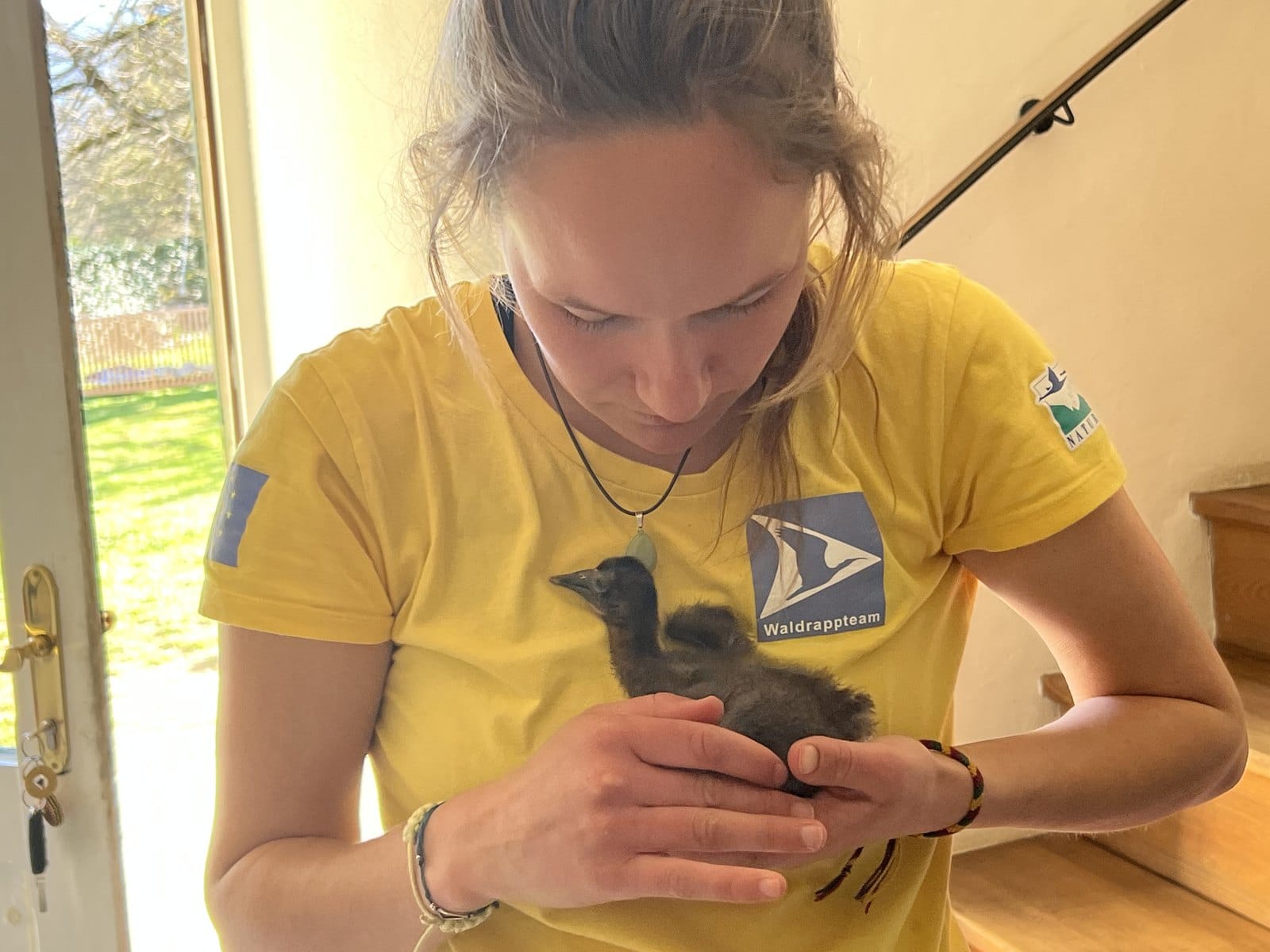
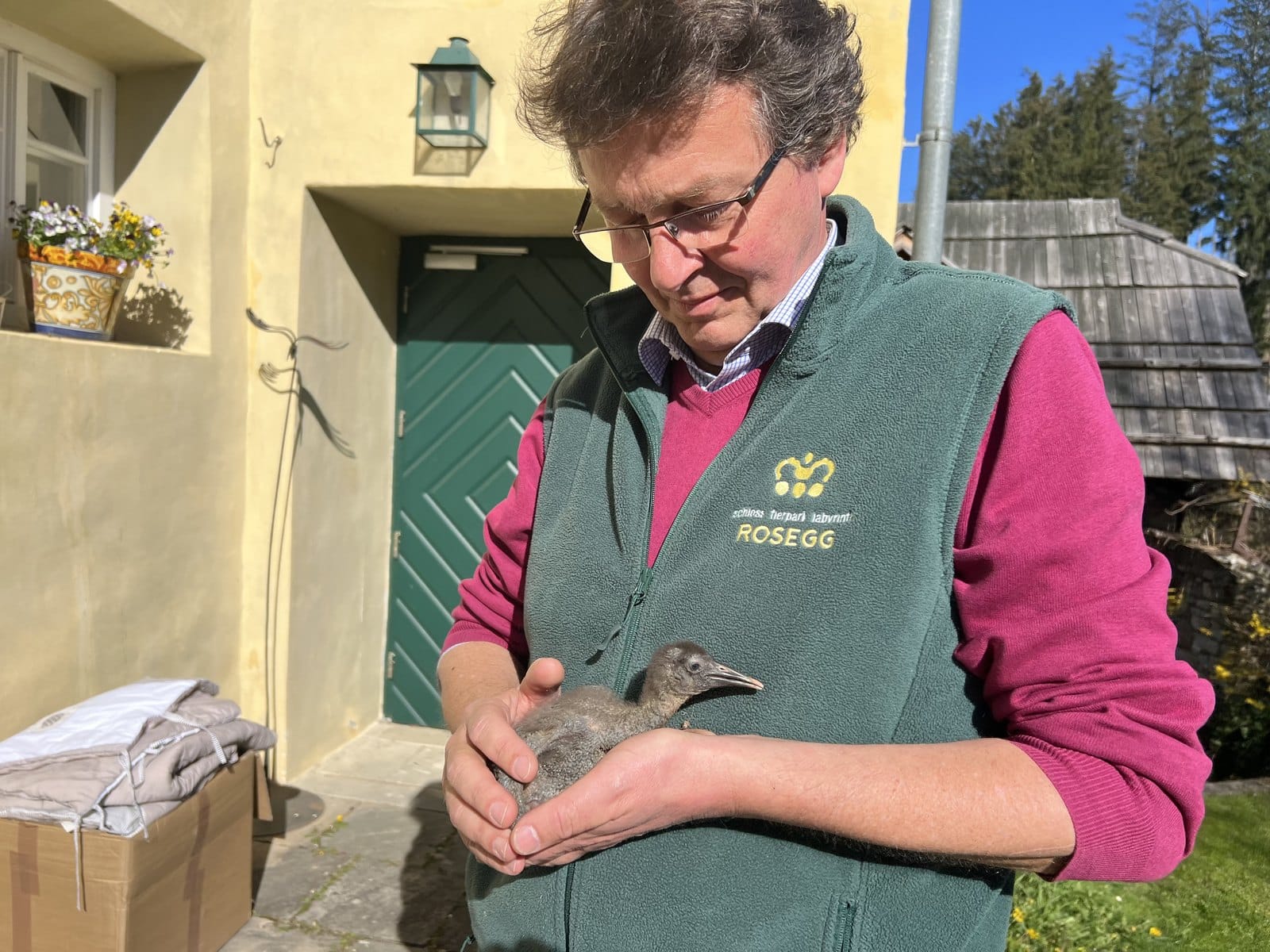
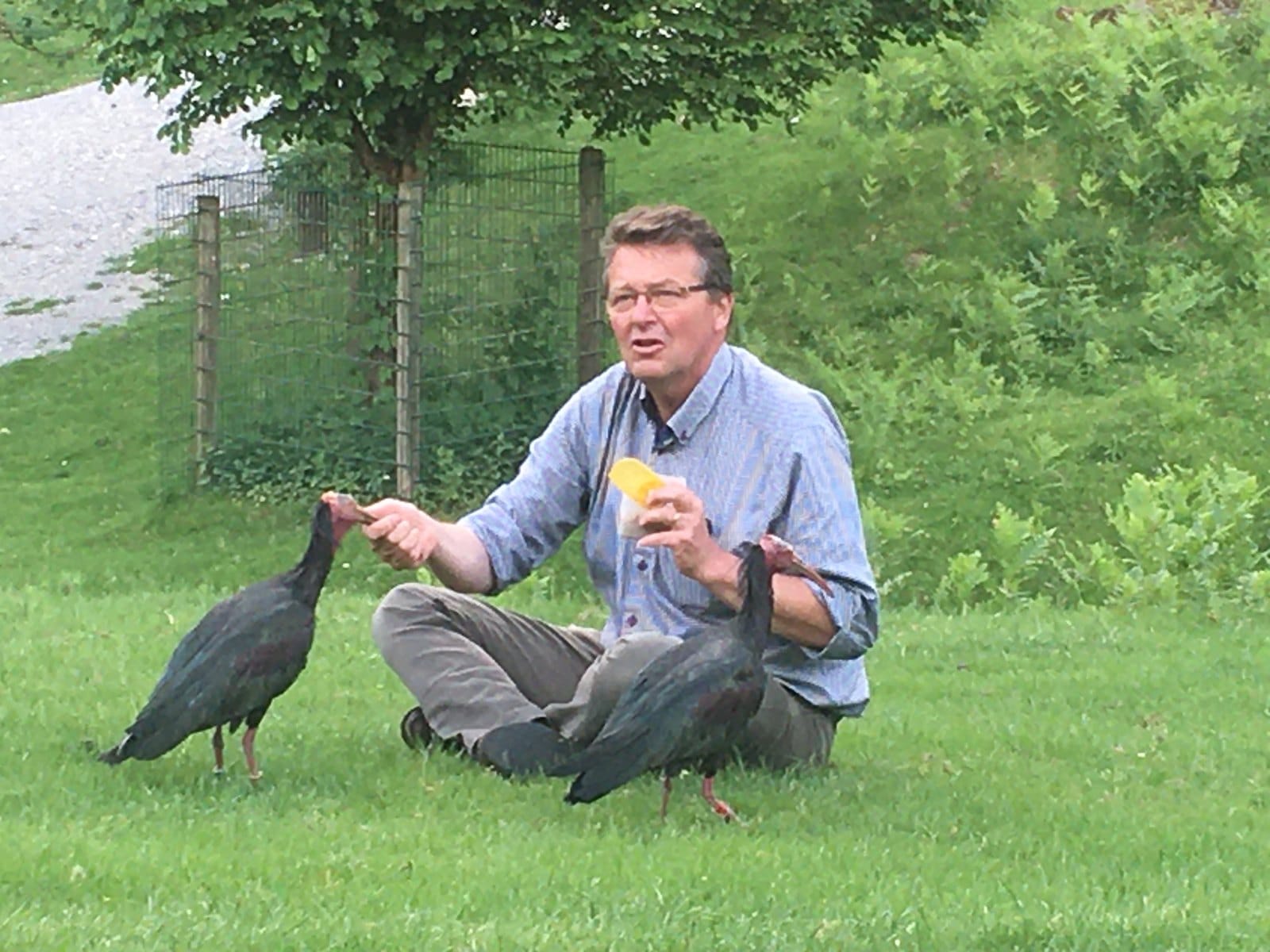
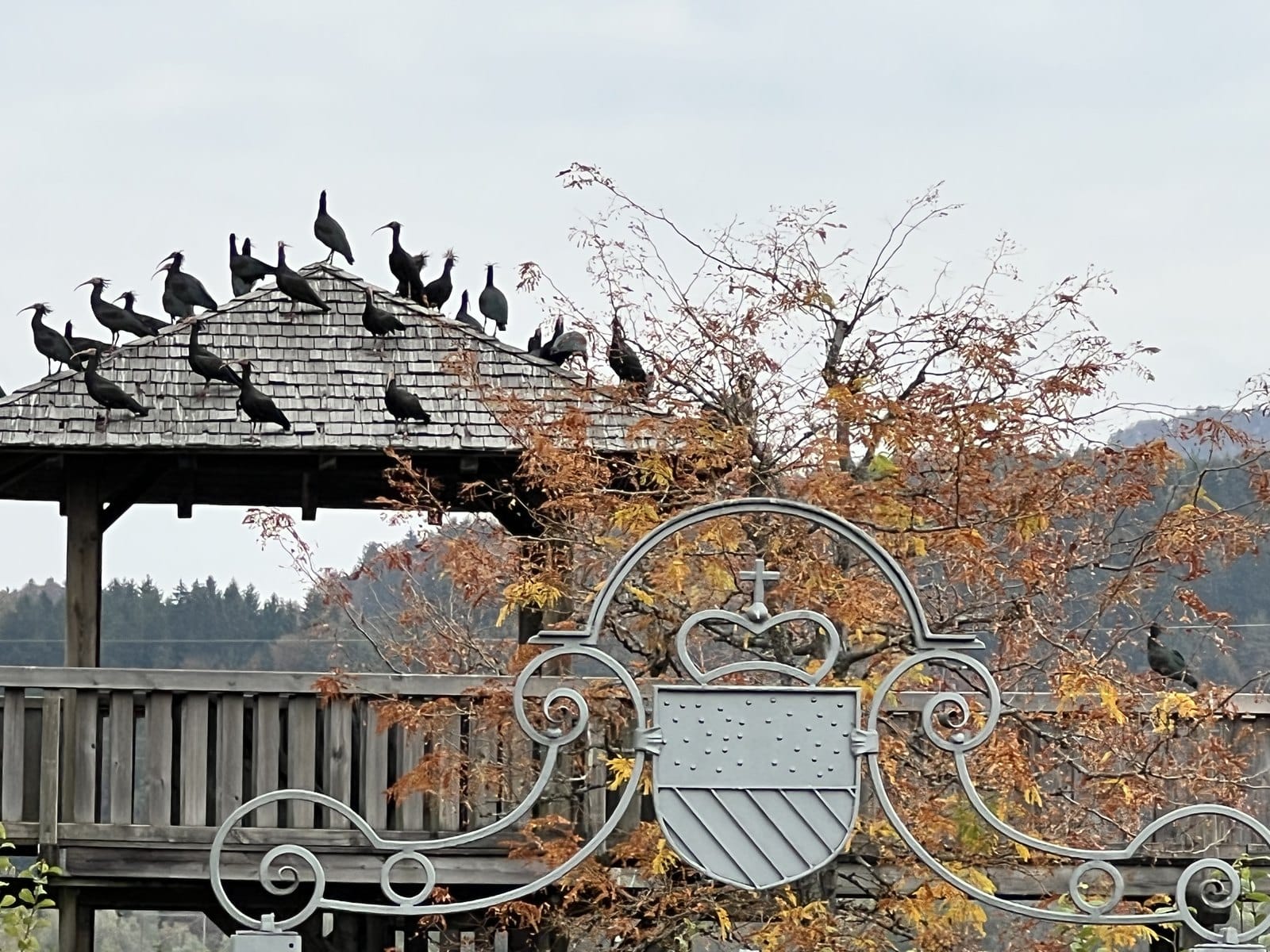
Where it begins: Tierpark Rosegg in Carinthia, Austria, where every one of this year's thirty birds hatched. Emanuel Liechtenstein, who has supported the project as its chairman for twenty five years, sent these pictures of the chicks being handed to their foster mothers, and of the colony at home.
Sources and links
Our short take: from the Waldrappteam's migration diary (entries to 2 October 2026) and BirdGuides' report of the departure.
- Waldrappteam, migration 2026 Day by day diary of the flight.
- Northern Bald Ibis begin extraordinary human led migration, BirdGuides The departure, 23 August.