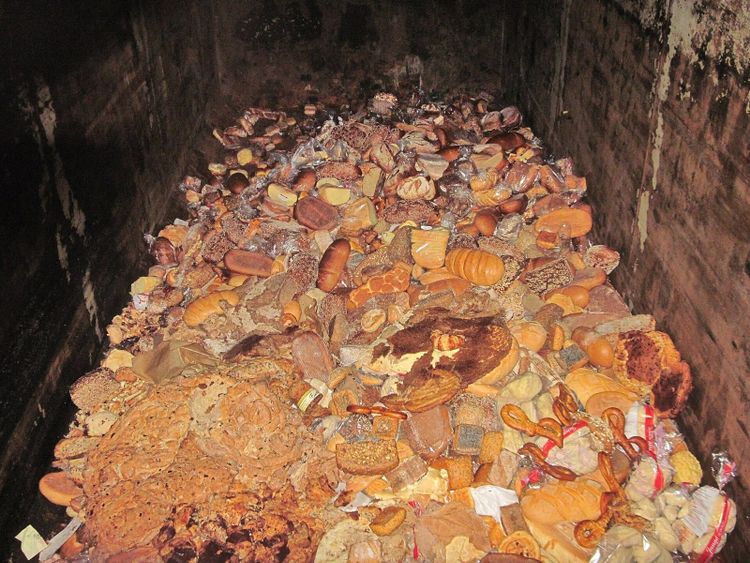
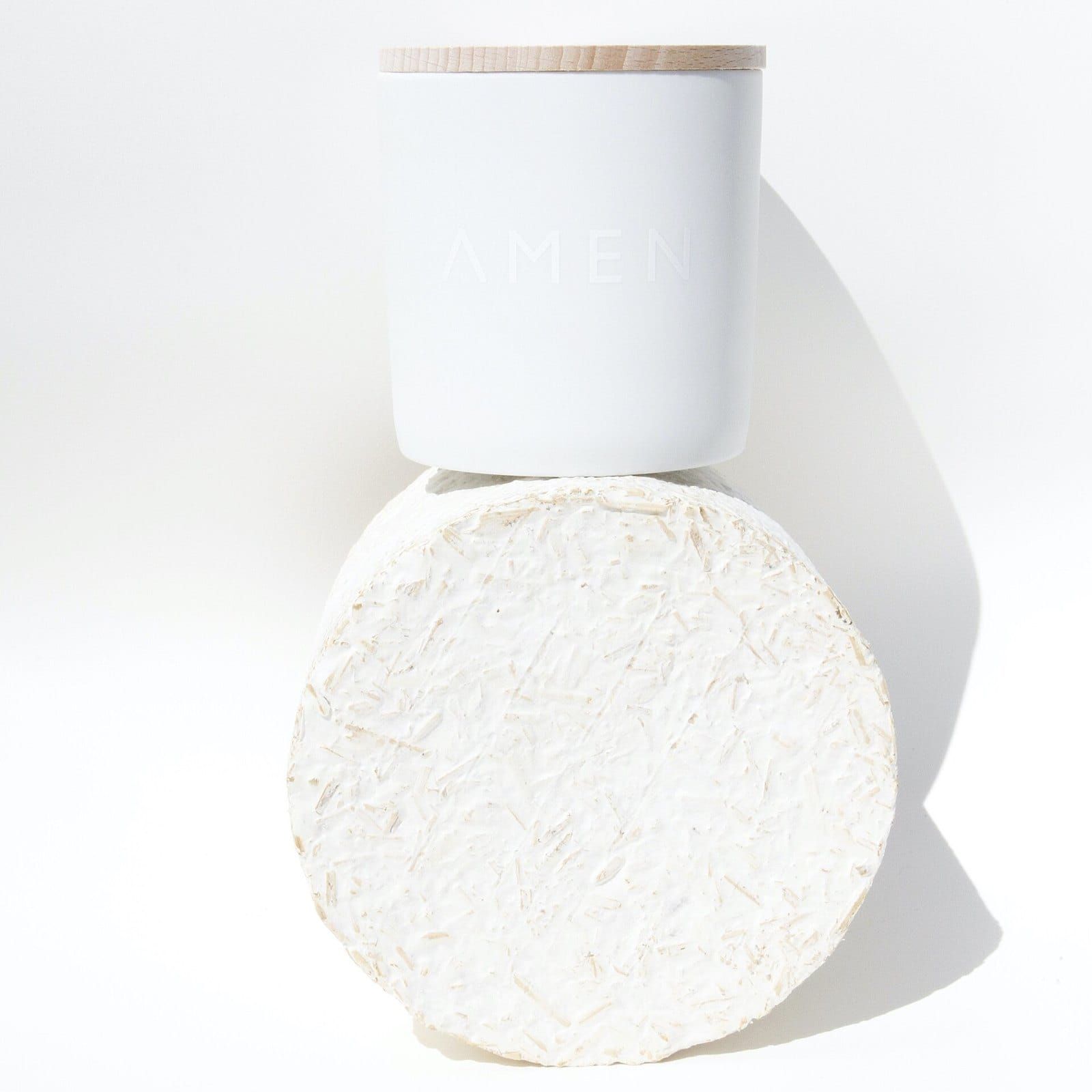
Polystyrene is the white foam that cradles almost everything that arrives in a box, and it lasts more or less forever. In a 1,600 square metre building in Mount Roskill, Auckland, a team of eleven is growing its replacement. Mushroom Material starts with a layer of organic waste, wood chips, hemp, straw, cardboard or food scraps, and adds mycelium, the fine white root system that mushrooms grow underground. On vertical racks in warmth, high humidity and little or no light, the roots eat through the waste and wrap it in a tight white web, a process that takes anywhere from five days to three weeks depending on the strain and the conditions. Then the growth is stopped with heat, and the dried material is cut into pellets that look like small marshmallows. Those pellets can be sold loose as fill, or pressed in a mould into any shape a polystyrene insert takes, and the whole point of the design is that it drops straight into the machines packaging factories already own. Founder and chief executive Shaun Seaman puts the trick simply: the entire mushroom industry is trying to minimise root growth and maximise fruit growth, and his company is trying to do the opposite. When a product is finished with, it breaks down at home in under three months.
It nearly did not happen. After years of tests, more than five hundred growing trials in all, Seaman says the company almost folded, until one day the team pulled out a sample that just worked beautifully. That sample was enough, in his words, to put him on a plane to Singapore and come back with eight million dollars, a seed round of NZ$8.5 million led by Wavemaker Partners and SEEDS Capital with New Zealand's Icehouse Ventures, K1W1 and Black Kite Capital. Co founder Jotinder Singh, a mechatronics engineer, runs the operations. Its pilot line filled its first customer order in January, big customers order ten thousand units at a time, and enquiries have come from small candle makers and from household names, IKEA among them. Judges at the Sustainable Business Awards called it an elegant, compostable alternative to polystyrene that works with existing packaging machinery. One honest caveat is scale: New Zealand is a small economy, so the company plans to keep its research at home and build its first big production line in Southeast Asia, starting in Malaysia. But the thing that fills the next box you open could, before long, have been grown in the dark, and go back to the garden when you are done.
Sources and links
Our short take: the full story is by Phil Crawford for the Sustainable Business Network of New Zealand and NZBusiness (12 January 2026), with funding details from the company's own announcement of August 2024. Photograph: Lilylily1407, CC BY-SA 4.0.