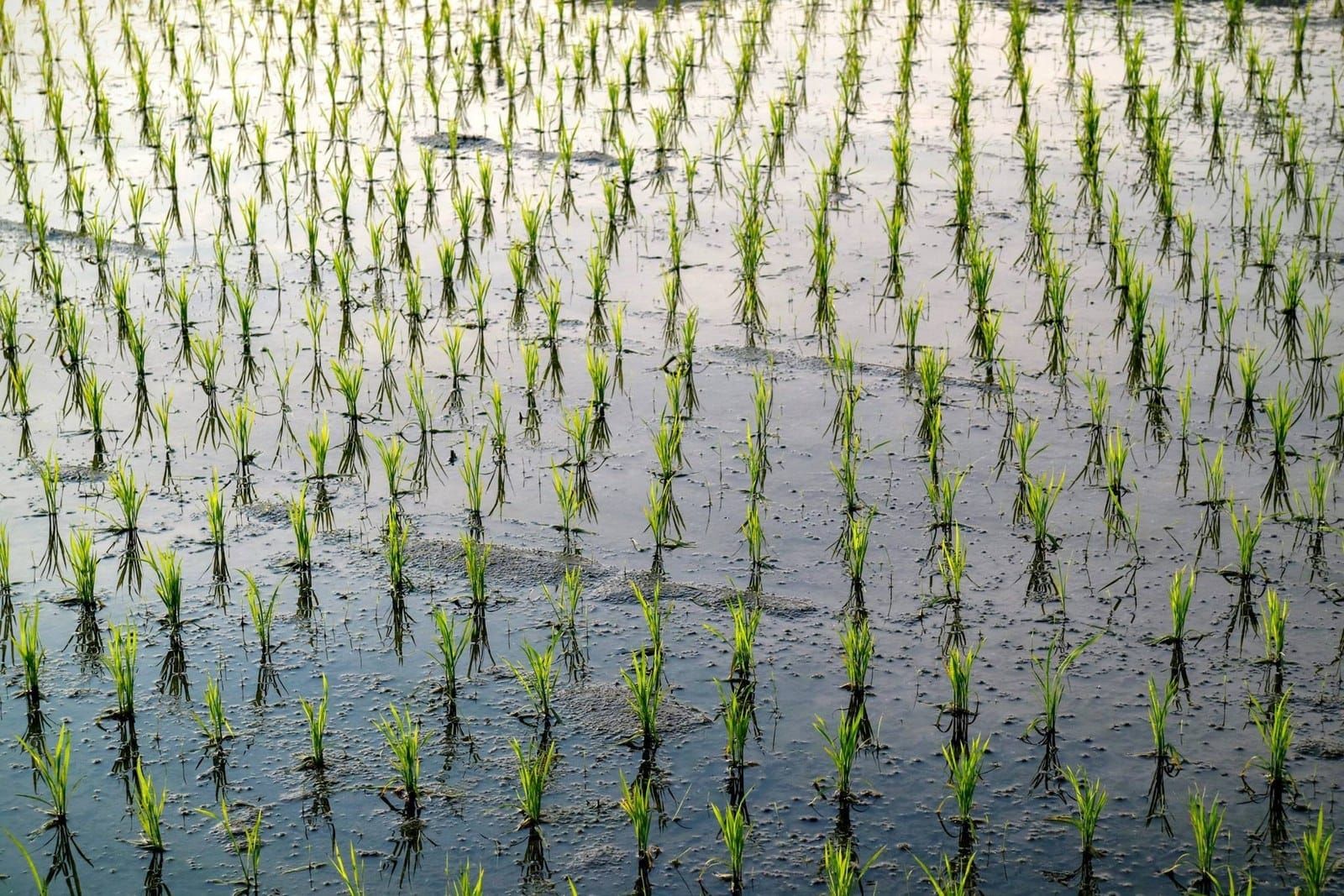
In Osaki, a rice growing city in Miyagi Prefecture in north east Japan, farmers have been fitting their fields with something small and clever. More than 5,000 little dams now sit in the drainage holes of the city's rice paddies, according to city officials. Each has a smaller opening than usual, so when heavy rain arrives the water leaves the paddy slowly and reaches the rivers later. Since 2021, Osaki has worked with farm groups and Miyagi Prefecture to place these tanbo dams, or paddy dams, across about 1,700 hectares, roughly a fifth of its paddy land. Osaki City's own plan describes funnel shaped boards supplied to farmers through their local land improvement districts, first trialled at Kashimadai, Furukawa and Tajiri. Osaki has used its paddies to take in river water since around the 1960s, which, says Masahiro Ito of the city's River Basin Flood Management Division, "helps prevent river embankments from being breached."
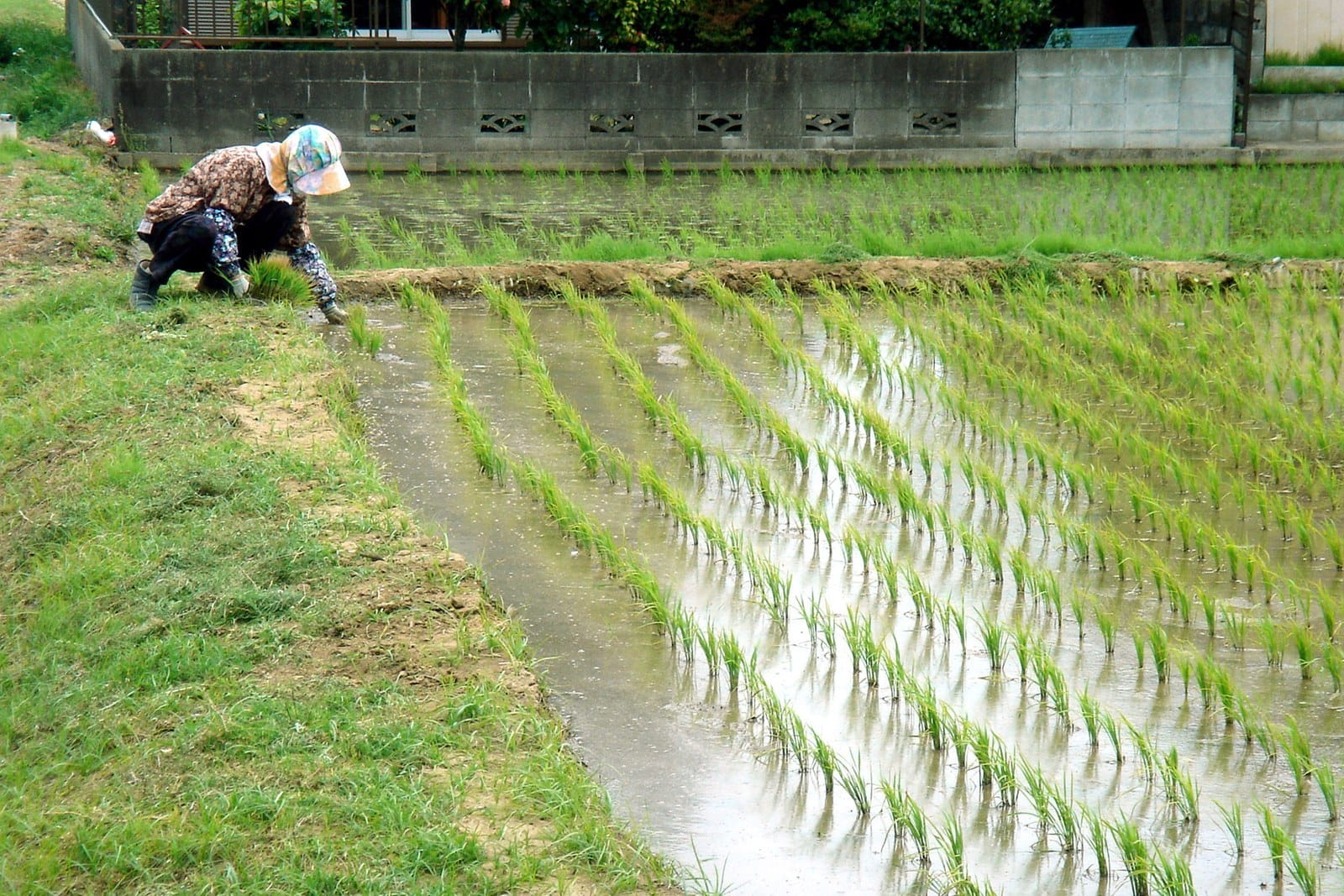
Osaki Kōdo, the farmland around the city, was recognised in 2017 as a Globally Important Agricultural Heritage System by the UN Food and Agriculture Organization, and the city calls its paddy dams a modern version of that heritage's skilful water management. Its plan includes field lessons for local school students. Motoyuki Miyake, of Osaki's heritage secretariat, says the dams "demonstrate a commitment to maintaining these areas as paddy environments," adding that "maintaining paddy fields is crucial for the conservation of biodiversity." Japan's paddies are home to an estimated 5,000 species, and Osaki's Kabukuri numa wetland, a Ramsar site wrapped in rice fields, is a resting place for migratory geese. "Of course, there is a limit to their capacity," says Takeshi Osawa, assistant professor at Tokyo Metropolitan University. Yota Imai, associate professor at Tokushima University, adds: "It's generally acknowledged that we need to utilize rice paddies for flood mitigation more than ever before." Field by field, Osaki's farmers are showing how.
Sources and links
Our short take: the full story is by Annelise Giseburt for Mongabay. Figures from Mongabay (16 November 2026) and Osaki City's paddy dam plan (2021). Photographs: as credited in captions.
- Mongabay, The power of the paddy
- Osaki City, paddy dam promotion plan and Miyagi Tanbo Dam Demonstration Consortium notice (Japanese, PDF)
- FAO GIAHS, Osaki Kôdo's Traditional Water Management System for Sustainable Paddy Agriculture
- Miyagi Prefecture, tanbo dam panel display and sticker survey at AEON Furukawa (Japanese)