
There is a scene in Pretty Woman where a businessman who never stops working finally takes his shoes and socks off and puts his feet in the park grass, and you can see the whole day change on his face. It turns out the science largely agrees with the movies. A research review published this year by the University of Utah, led by Professor Joanna Bettmann Schaefer, gathered studies covering thousands of adults living with mental illness and asked the practical question: how much time outdoors actually helps? The answer was kinder than anyone expected. As little as ten minutes outside measurably eased symptoms, and where those minutes happened barely mattered. A city park counted. A garden counted. A strip of grass beside a busy street counted.
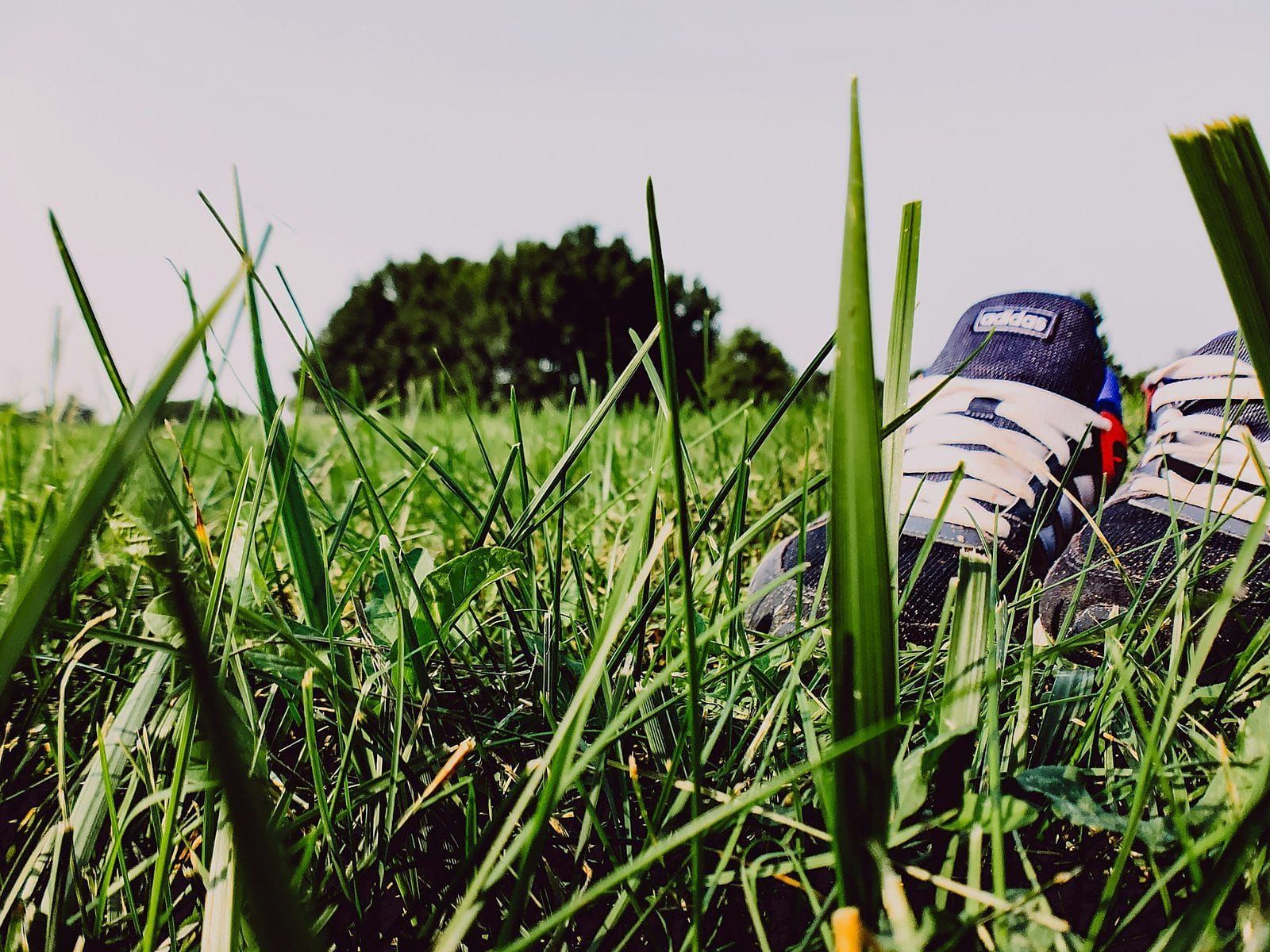
The shoes are our addition, and they are not a medical claim, just the oldest doorway into those ten minutes: grass underfoot wakes up senses that shoes spend all day politely muffling, and it is very hard to keep scrolling with your toes in the lawn. Whether your ground right now is a winter paddock or a summer backyard, the prescription travels: step outside, shoes off if the ground invites it, face in the light, ten minutes. The kettle can wait. For readers who enjoyed our July story on doctors prescribing birdsong, this is the same gentle medicine measured at its smallest useful dose, and the pharmacy is everywhere, open all hours, free.
Our short take: the research review is by Professor Joanna Bettmann Schaefer and colleagues at the University of Utah, reported by University of Utah Health, April 2026.