Orchids are the small print of the bush: tiny, variable and easy to miss, which is exactly why people fall for them. Tasmania has more than 200 recorded species and 77 are listed as threatened, most of them in the dry forests, grasslands and coastal country of the east and the midlands. Among the rarest is the golfers leek orchid, Paraprasophyllum incorrectum, known from just two sites in the midlands. Dr Magali Wright and her team at the Landscape Recovery Foundation have spent eight years learning to grow it. Orchid seed will not sprout without a partner fungus, and finding the right one is slow work; for years the pair were raised on oatmeal jelly, until the team tried quinoa, polenta and brown rice and found the fungus liked those better. "I think we've finally got it right," Wright told the ABC, and seedlings are now coming on for planting into native grassland over the next couple of years.
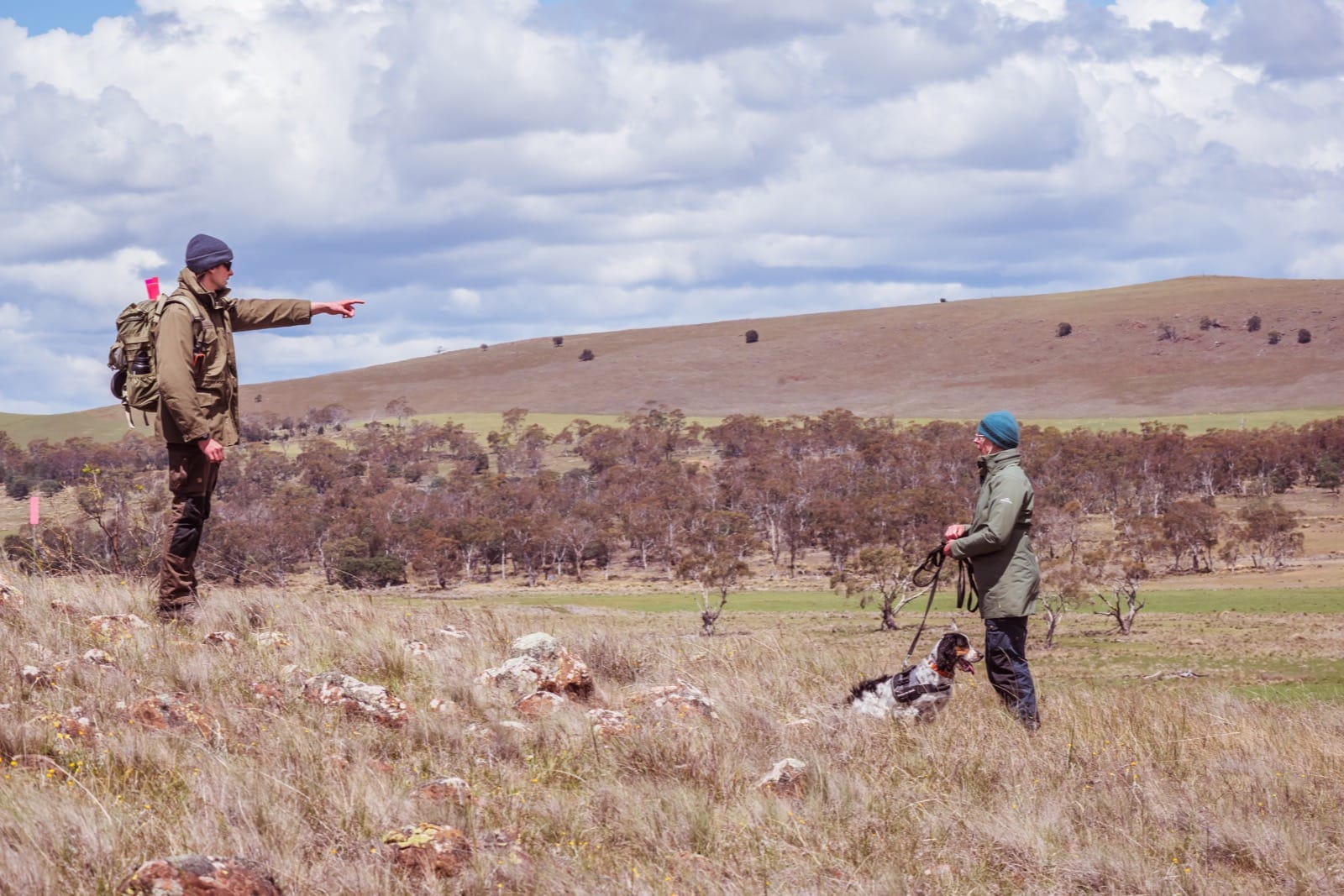
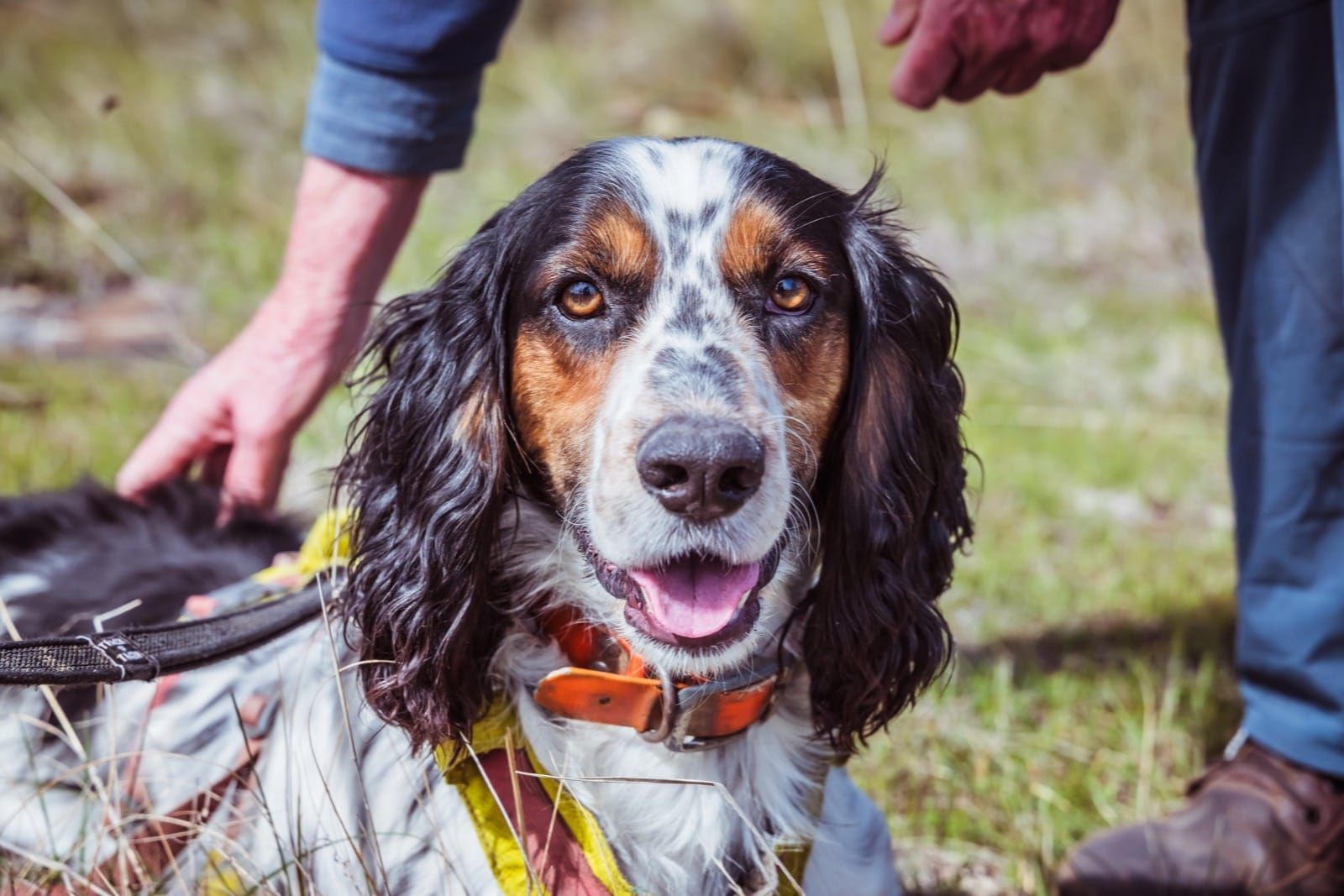
Finding the wild plants is the other half of the job, and that is where Miki comes in. A cocker spaniel from Canines for Wildlife, Miki was trained on orchids the foundation had grown, then brought to Tasmania last year to search for the golfers leek orchid and its threatened cousin, the Tunbridge leek orchid. She found 73 plants the team had walked straight past, including seedlings tucked inside poa tussocks. Next month she and a second detection dog return to the midlands for more survey work. Chief executive Dr Josie Kelman puts the appeal plainly: you have to fall in love with something before you want to look after it, and orchid people are as devoted as train people. Good to know, from the foundation's recent workshop for photographers: a long lens and a tripod from the track, no gardening around the plant, and no locations of threatened orchids posted online, so the next person finds them exactly as you did.
Sources and links
Our short take: the full story is by Loretta Lohberger for ABC News (19 October 2026).
- Orchid conservation, photography and the detection dog Miki, by Loretta Lohberger, ABC News Wright, the golfers leek orchid, Miki's 73 finds, the photographers' workshop.