At Tepko in the Murraylands, between Mannum and Murray Bridge and about fifty kilometres east of Adelaide, 222 battery containers stand in rows on a single hectare of farmland. Together they make the Summerfield battery, 240 megawatts with 960 megawatt hours of storage, enough to soak up four hours of the state's midday wind and sun and hand it back in the evening, and in April it changed hands. Copenhagen Infrastructure Partners, the Danish company that built it, sold the whole project to Intera Renewables, an Australian company owned by the Palisade investment group together with the Clean Energy Finance Corporation, Aware Super and HESTA. Aware Super looks after the savings of more than 1.2 million Australians, many of them teachers, nurses and public servants. HESTA holds the super of more than a million health and community services workers, most of them women. Neither fund's share is published, and the price was not disclosed, but the plain fact is that a slice of a great many pay packets now sits in those containers by the river. Jeff Brunton, HESTA's Head of Portfolio Management, described it as the kind of large, long term infrastructure that supports the energy transition and can deliver strong returns for members. Sue Jiang, an infrastructure portfolio manager at Aware Super, said the purchase shows the opportunity her fund sees in large renewable assets. Simon Parbery, a partner at Palisade, said the firm was excited to deliver the project for its investors and for the country's wider clean energy goals.
On the ground the story is quieter and more local. Construction began in February 2025, brought more than a hundred jobs to the district during planning and building, and was declared complete in May, when the new substation and transformers were switched on. Testing of the battery itself runs until the end of the year and the operators now expect it to be fully working early in 2027, a little later than the "late 2026" first announced, and we say so. Origin Energy has agreed to take everything it stores for ten years. And the project pays into a Community Benefit Fund of $50,000 a year for local safety and health, the environment, education, arts and First Nations culture, with the first grants awarded in May and a second round on the way. Earth to Sea News does not give financial advice and never will. We simply follow the money, and this time it flows from the retirement savings of two million ordinary people to a paddock near the Murray, where it is being turned into a battery that keeps the lights on after dark.
Sources and links
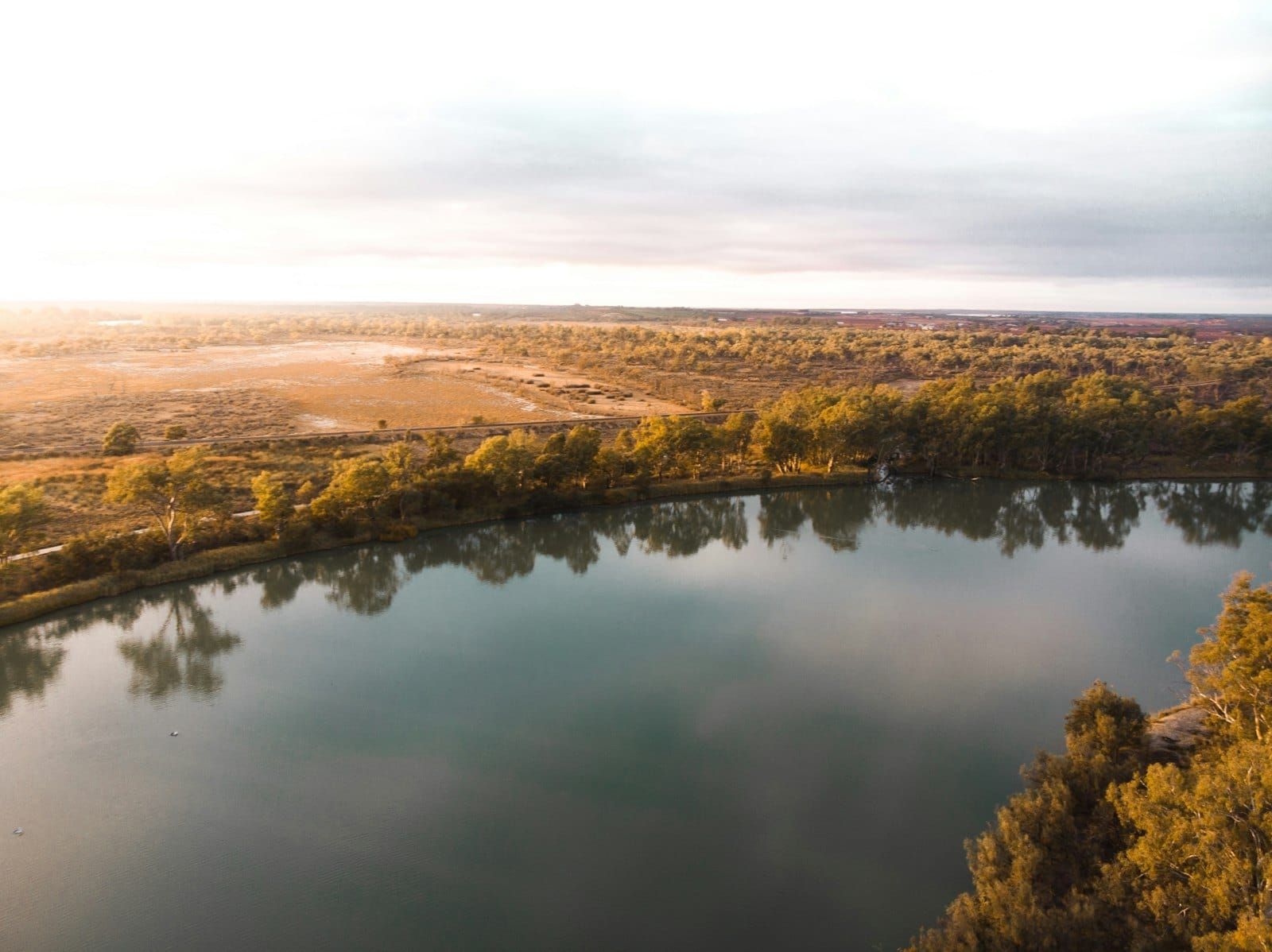
Our short take: the full stories are by David Carroll for pv magazine Australia (14 April 2026) and Rachel Williamson for RenewEconomy (14 April 2026), with Palisade's announcement of 13 April 2026 and the project's own May 2026 update and Community Benefit Fund page. Photograph: Zac Edmonds, Unsplash.