Munamudanamy is the old Biyay name for the island the maps call Hinchinbrook, and it does not mean the land alone. It describes the whole journey through sea, mangroves, rivers, swamps, forests and mountains, which is exactly what the walk turns out to be. Thirty two kilometres down the east coast over four days and three nights, through cloud forest and waterfalls and beaches you will very likely have to yourself. The island has been protected since 1932 and runs to nearly forty thousand hectares inside the Great Barrier Reef World Heritage Area. This season is its first in years, opening on 3 May and running to the end of October, and Queensland Parks makes the decisions about it alongside the Bandjin and Girramay people, whose country it is. Between forty and sixty walkers are allowed on the whole track at any one time, which is why the quiet is real rather than advertised. Permits for walking it yourself are free.
The trail carries the name of Arthur Thorsborne, and behind it the name of his wife Margaret. From 1968 the two of them counted the imperial pigeons that fly in each summer to nest on the Brook Islands just off the coast, then worked to protect the coastal forest the birds depend on. That first year they counted fewer than two thousand. By the turn of the century the colony averaged between thirty and forty thousand, and Margaret was still going out to count them into her ninetieth year. She died in 2018. Walking the island now, with a cap on the numbers and the Traditional Owners at the table, is the same idea carried forward: a place looked after by people who keep turning up for it.
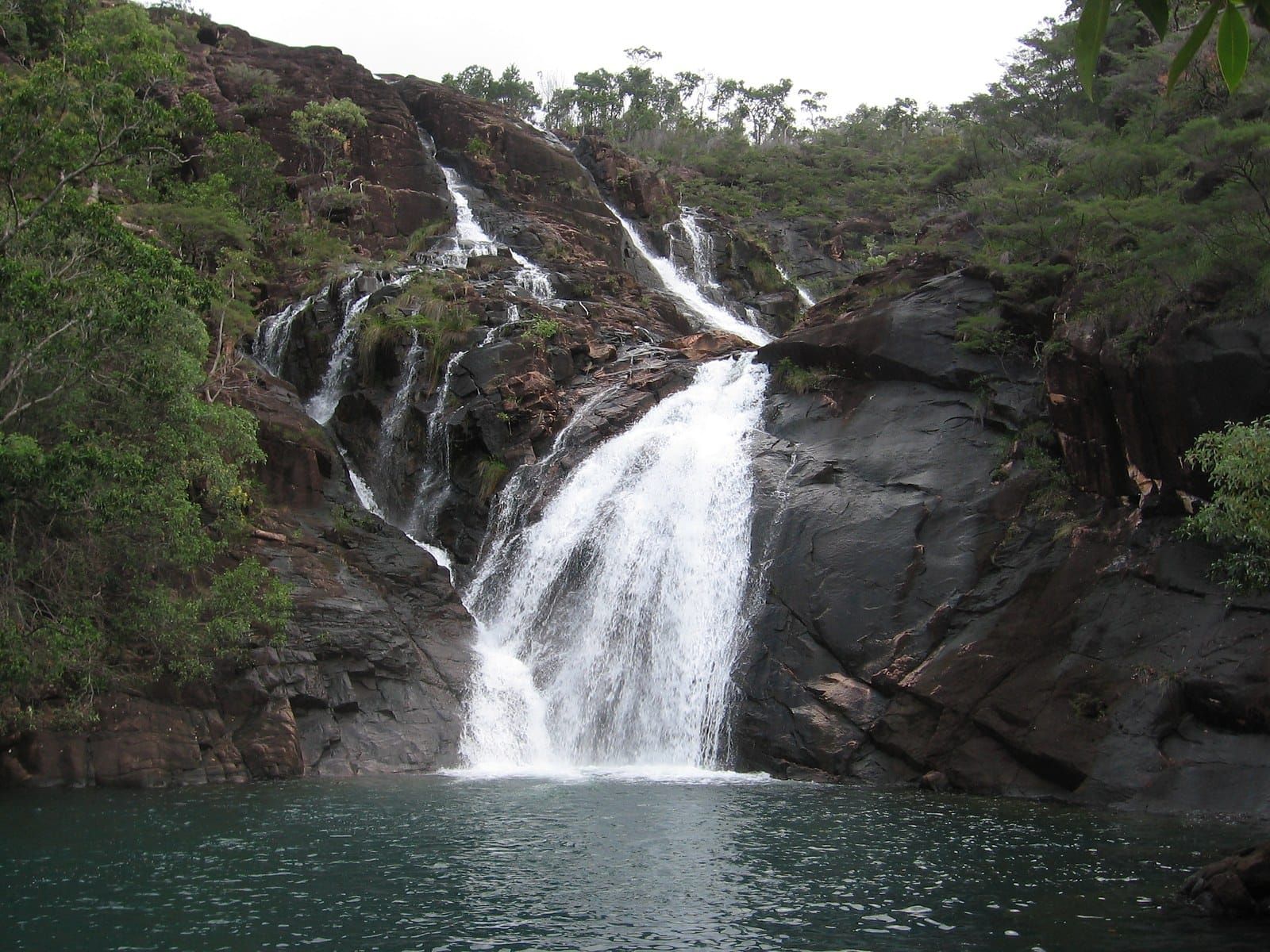
Our short take: season dates, walker limits and permit detail from Queensland Parks and Wildlife Service. Guided walks are run by World Expeditions in partnership with the Bandjin and Girramay Traditional Owners. Photograph: Zoe Falls on Hinchinbrook Island, public domain, via Wikimedia Commons.