
Earth to Sea News, Issue No. 30
Gladstone Harbour, Queensland, where seagrass meadows and oyster reefs are being restored side by side. Photo: Jack Bain, CC0, via Wikimedia Commons.
Gladstone Harbour, Queensland, where seagrass meadows and oyster reefs are being restored side by side. Photo: Jack Bain, CC0, via Wikimedia Commons.
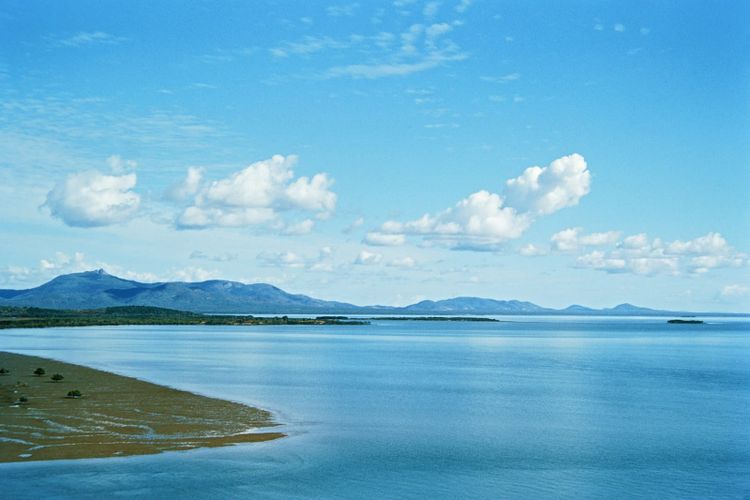
Seagrass meadows feed the turtles and dugongs and store carbon faster than a rainforest. In Gladstone Harbour they are being replanted beside new oyster reefs, in a trial paid for by an insurance company's foundation and run by the people who know the water best.
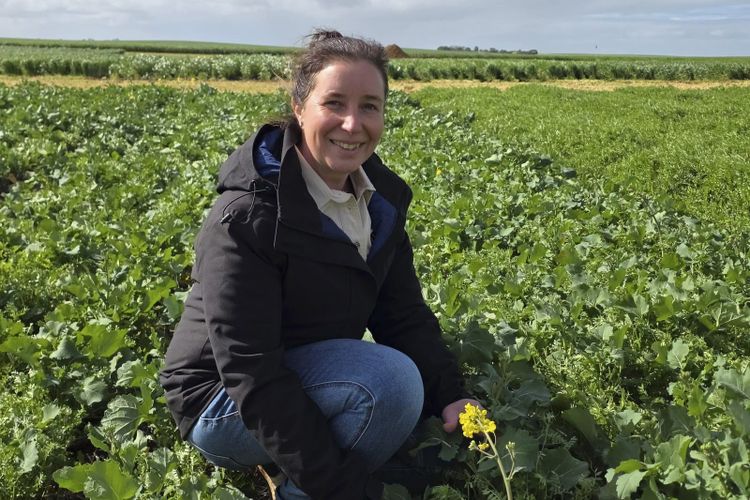
Regenerative farming has plenty of believers and not enough Australian evidence. A five year trial led by farmers' own groups, with CSIRO measuring, sets out to find what works in old soils and unpredictable rain.
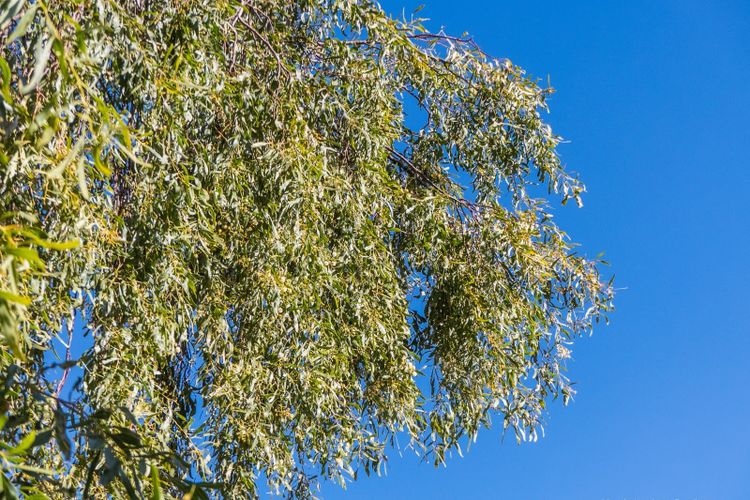
Weeping Myall woodland once ran across the western plains and most of it was cleared for cropping and grazing. On a property near Coonamble, a farming company is planting almost a thousand hectares of it back, with the grazing to follow once the trees are up.
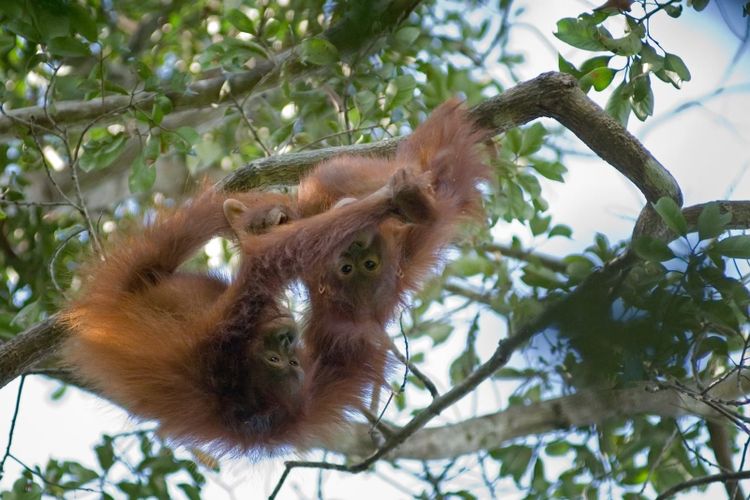
Orangutans live mostly alone, which leaves their young short of playmates. Fifteen years of watching mothers and infants in a Bornean forest shows the mothers fixing that themselves, walking further and eating less so the children can wrestle.
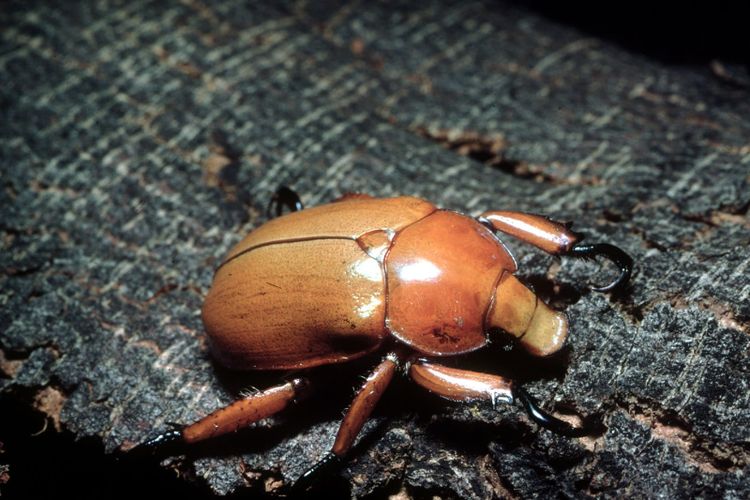
A national network to find out where the Christmas beetles went, 25,000 native plantings on Ngarrindjeri Country, and a shorebird patrol at Shark Bay. Five projects shared $150,000 this week, and every one of them is the patient kind.
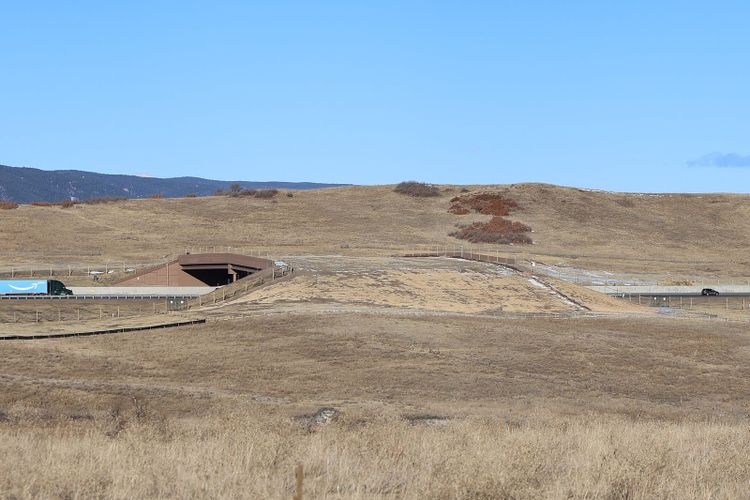
Before December, the stretch of Interstate 25 between Larkspur and Monument averaged about one serious crash with an animal a day. Then the biggest wildlife bridge on the continent opened above it, and the elk started using it.
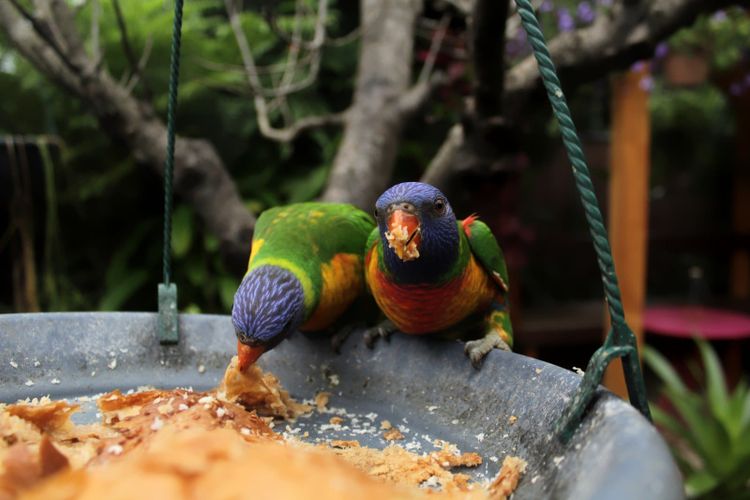
Sit in your favourite outdoor spot for twenty minutes, write down the birds you see, and press submit. That is the whole job, and last year nearly 64,000 people did it and counted more than five million birds.
A lagoon ringed by woodland on Kendall River Station, Cape York Peninsula. Photo: Justine Hausheer, The Nature Conservancy. Good morning. This week
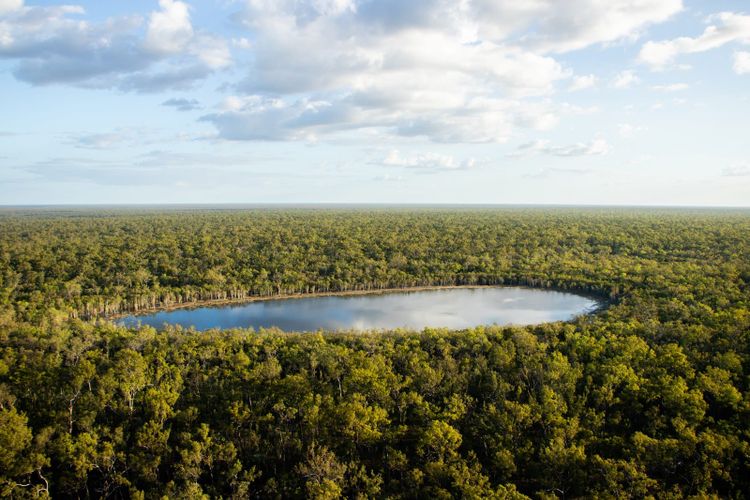
Two stations on the Gulf Plains and one on Cape York Peninsula, almost 396,000 hectares of wetlands, waterholes and savanna woodland, are joining Australia's protected area network. Queensland bought them with The Nature Conservancy and two philanthropic partners.
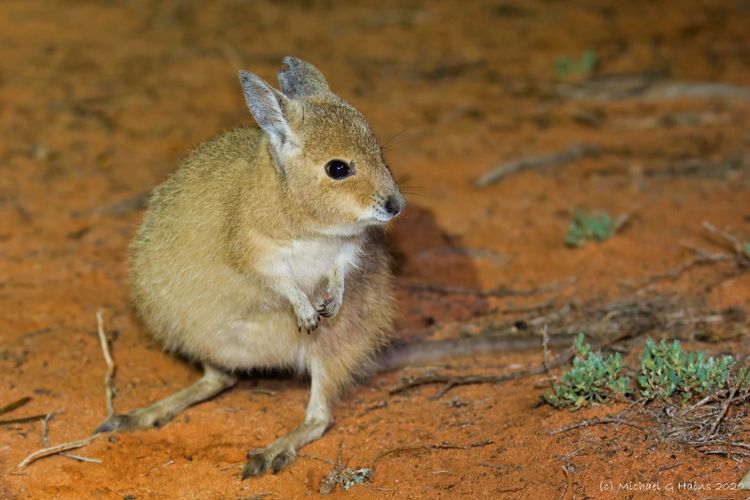
Mala, the rufous hare wallaby, vanished from the wild in 1991. Twenty four were brought home to Uluru in 2005. This May, Anangu, Mala Rangers and park staff counted them at nearly 500.
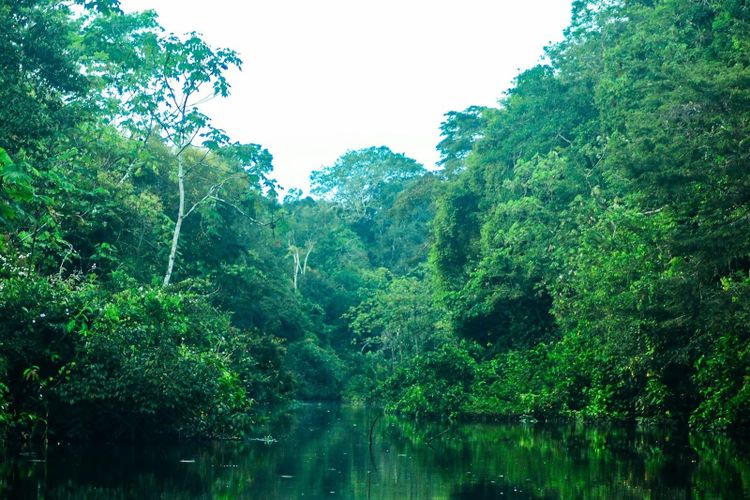
Fly a laser scanner over the rainforest of Acre in western Brazil and the ground underneath gives up its secrets: ring after ring of ditches and banks, dug by a people archaeologists now call the Aquiry, who may have numbered three million at their height.