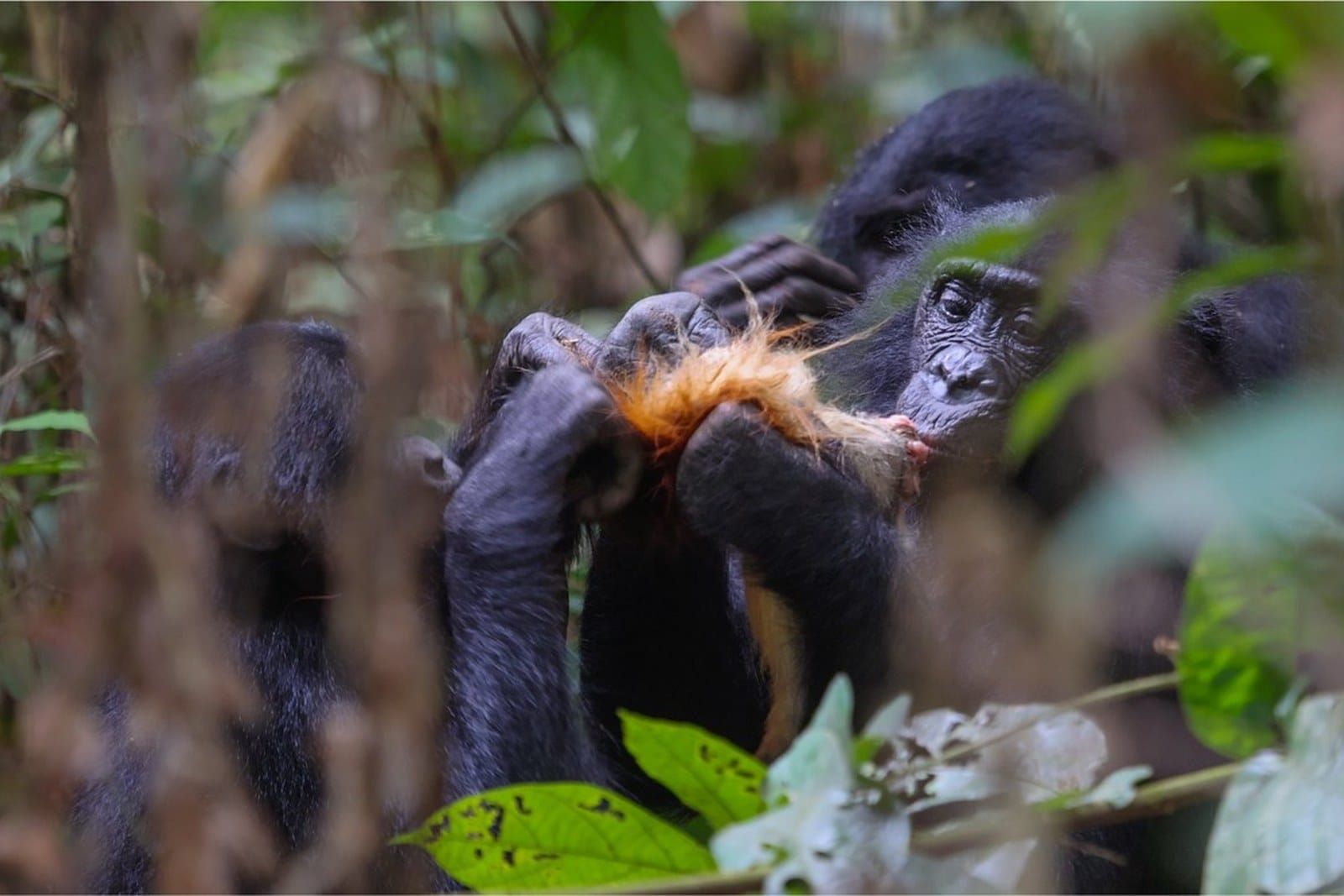
Picture a forest camp at LuiKotale, on the periphery of Salonga National Park in the Democratic Republic of the Congo, before light, and a line of people heading out under the trees to find the bonobos where they slept. Barbara Fruth and Gottfried Hohmann founded the site in 2002, and with the Congolese field assistants on whom a camp like this depends, their team has followed two habituated bonobo communities day after day. Now a decade of those mornings has produced a study in Current Biology that turns an old idea on its head. Across it the team logged 415 captures of prey, from red colobus monkeys in the canopy to forest antelopes on the ground, and where the hunter could be identified, six times in ten it was a female. Nor were they helping themselves after the males had done the work. "They were the initiators of the hunts," says Dr Mattia Bessone of the University of Konstanz and the Max Planck Institute of Animal Behavior. Older females took the large ground dwelling prey about three times as often as males did, and went after monkeys about as often as the males. "Young females tear through the treetops to chase monkeys who fight back in defence," says Dr Gottfried Hohmann of the Max Planck Institute for Evolutionary Anthropology in Leipzig, the study's first author. In bonobo society the females hold rank beside the males and usually control what has been caught, which may be why they do so well with big prey.
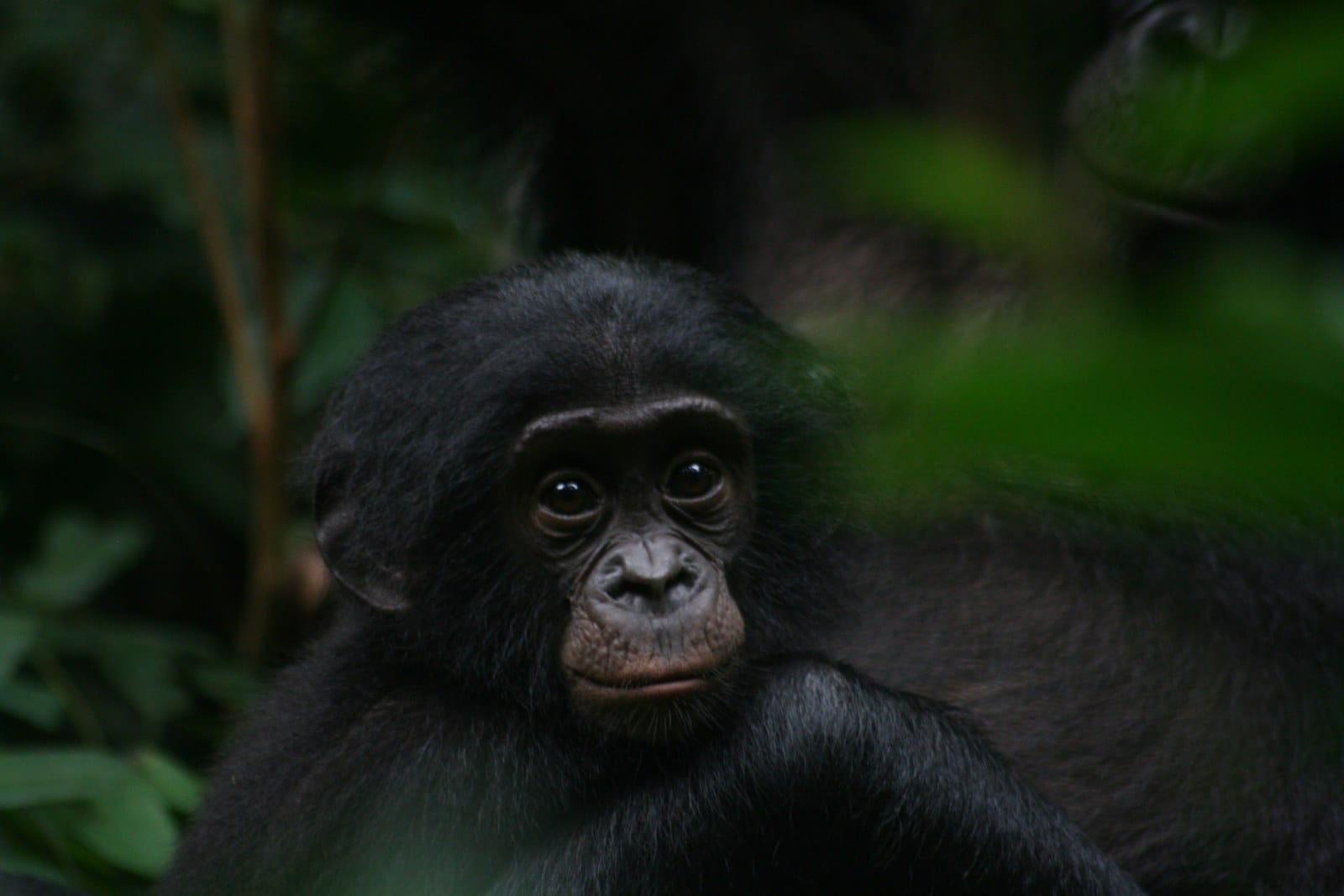
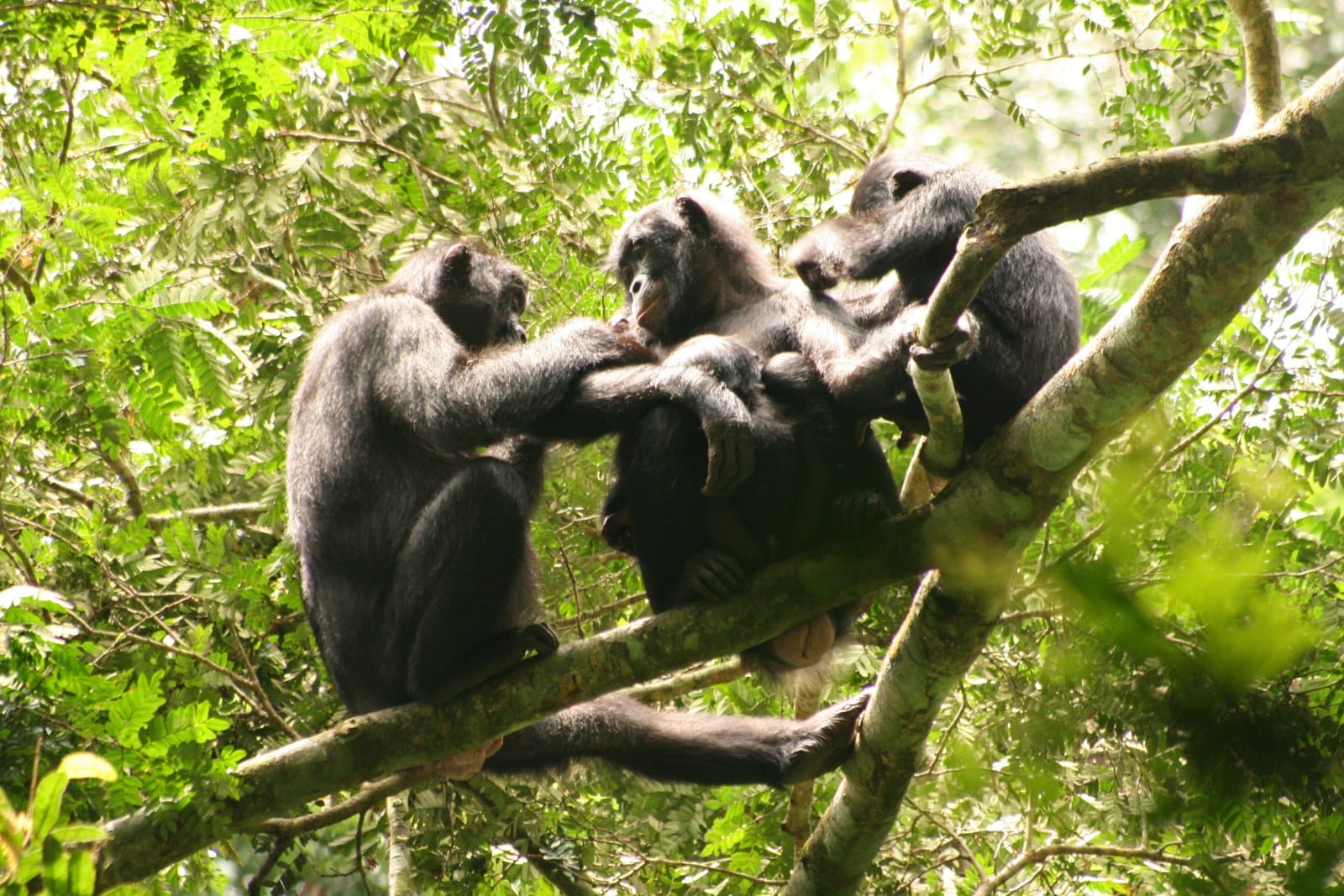
Then there is culture. Both communities have the same prey to choose from, yet one hunts mostly animals on the ground and the other has made a speciality of monkeys, which looks to the team like local tradition rather than opportunity. "Bonobos not only capture a wide variety of prey," Hohmann says, "their communities develop also distinct hunting cultures." For Prof Barbara Fruth, group leader for bonobo ecology at the Max Planck Institute of Animal Behavior in Konstanz and the study's senior author, the point reaches well past the Congo. Chimpanzees have long been the model for how early humans hunted, and there the hunting belongs to the males, because keeping the reward goes with dominance. Bonobos, she says, "are a window into humanity's past", and chimpanzee behaviour alone "may not provide a reliable picture of how this ancestor hunted". None of it would be known without the ten years. A camp on the edge of Salonga, kept going season after season by the people who live and work there, is what lets anyone say what a bonobo does across a lifetime. Same institute, by the way, as the orangutan mothers walking their babies to play dates in Borneo, and the cheetah in Namibia wearing a satellite tag for the Icarus network.
Sources and links
Our short take: from the Max Planck Institute of Animal Behavior's release "Bonobo females hunt more than males" (22 October 2026, press contact Carla Avolio), carried by phys.org on 27 October 2026 ("Provided by Max Planck Society", no reporter byline), with the founding of LuiKotale from the institute's own 2024 page on Barbara Fruth's Order of Merit. Photographs: as credited in captions.
- the study in Current Biology "Females shape hunting of vertebrates in wild bonobos", Hohmann, Bessone, Balduccio, Decina, Deville, Pashchevskaya, Soliday, Stewart and Fruth, 2026; the 415 captures, 60 per cent, three times.
- Max Planck Institute of Animal Behavior, the release Every figure and every quote, the two hunting cultures, the Ammann photographs.
- phys.org, bonobo females hunt more than males (27 October 2026) Same release with the journal citation, "older females", and the red colobus photograph.
- Max Planck Institute of Animal Behavior, Barbara Fruth's Order of Merit LuiKotale founded 2002 by Fruth and Hohmann, "a remote forest area in the periphery of Salonga National Park", Bonobo Alive and the rural communities.
- Nautilus, "Hunting is for Girls, at Least Among Bonobos" Jake Currie, 28 October 2026; Bessone on the females not stealing from males.
- Earth to Sea News, orangutan play dates Our 20 October story from the same institute.
- Earth to Sea News, Raven is in orbit Our 19 September story with the Namibian cheetah and the institute's Icarus network.