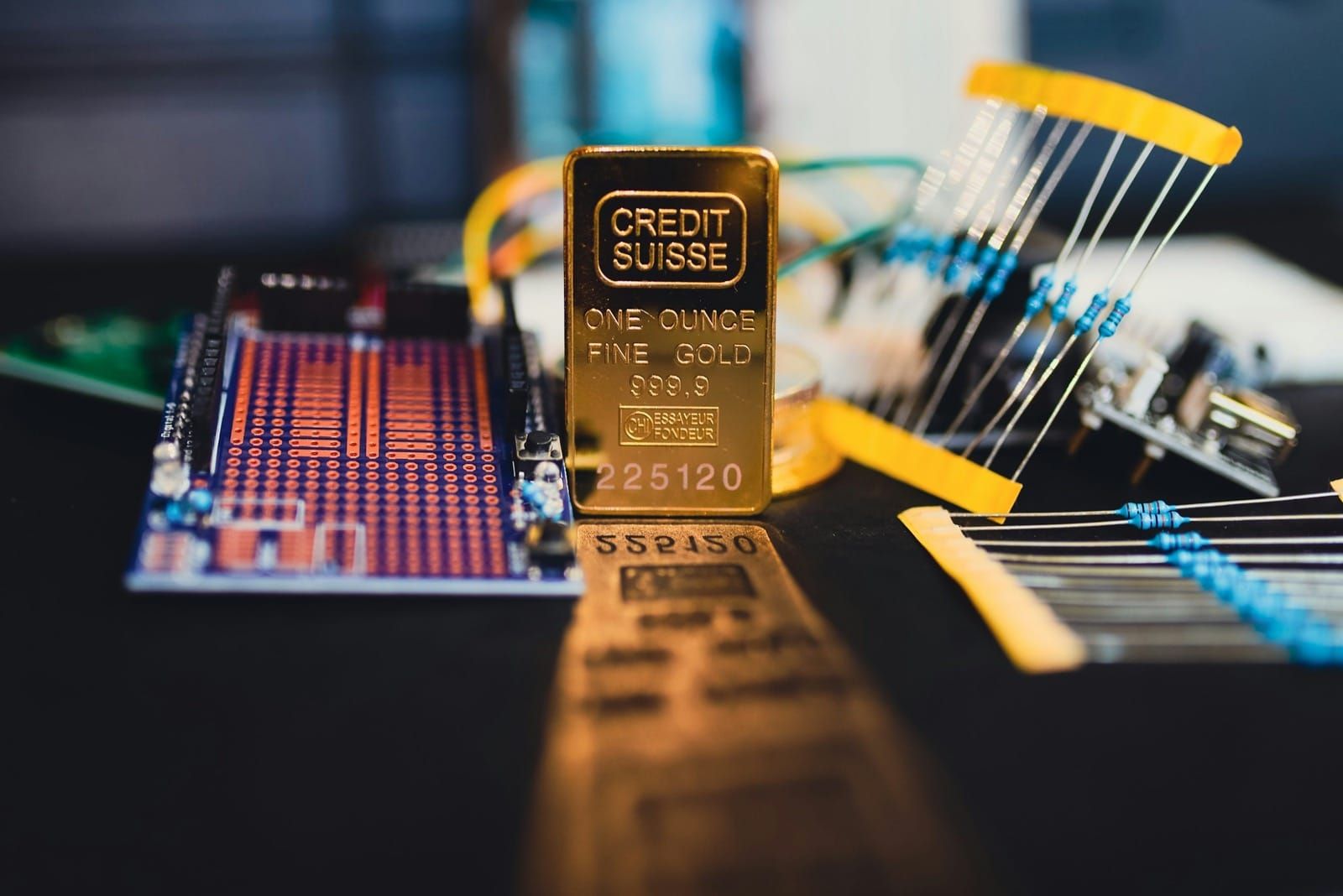
There is gold in the drawer of almost every home. It is in the old phone nobody wants to throw out, the tangle of cables, the laptop that finally stopped. Very small amounts of it, but spread across a whole world of discarded electronics, it adds up to something remarkable.
Getting it back out has always been the hard part. Once the waste is processed and its parts dissolved, what you have is a soup of many metals living together, and pulling out the one you want is among the most difficult stages of the whole business. Traditionally that has meant large volumes of chemicals.
Now a team at the University of Illinois has found a gentler way to ask. Led by chemical and biomolecular engineering professor Xiao Su, with Deborah Schmitt and Aderiyike Aguda, the researchers built a new molecule that lets electricity do the work that chemistry used to do. Give it a charge and it reaches out and holds the gold. Take the charge away and it opens its hand.
In tests on solutions made from electronic waste, the system recovered about 89 per cent of the gold present, while cutting the chemicals needed by somewhere between ten and a hundred times. The work was published in ACS Energy Letters in July.
Gold was only the first thing they asked it to find. Because the electrical part of the system stays much the same, the molecule itself can be tuned to reach for other treasures: the platinum group metals sitting in spent car catalysts, and critical elements left behind in mine tailings. The team is now working on how to scale it up.
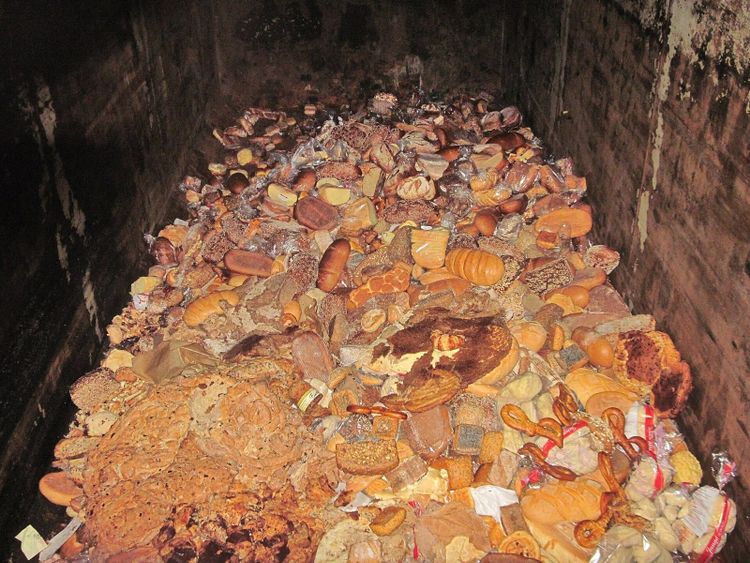
A pile of dead electronics has never looked less like rubbish.
Questions you might have
Why does this matter for the planet?
Because every gram of gold that comes home from a drawer is a gram that never has to be taken out of the earth. Gold mining asks a great deal of the land: cleared ground, mercury, cyanide, tailings dams that must be watched for generations. This asks almost nothing at all. The forest gets to stay a forest.
Is there really that much gold in a pile of old electronics?
More than in most mines, as it happens. Discarded electronics hold something like 250 grams of gold per tonne, where gold ore usually gives up only a few. The shed full of dead laptops is the richer seam. We have been walking past a treasure for years.
So is this ready?
Not yet, and that is worth saying honestly. This is laboratory work, and the team is turning now to how it might be scaled for industry. A promise rather than a result. But some promises are worth watching, and this is one of them.
Our short take: study by Deborah Schmitt, Aderiyike Aguda and Xiao Su, University of Illinois, published in ACS Energy Letters, July 2026, reported by TechXplore and SciTechDaily.