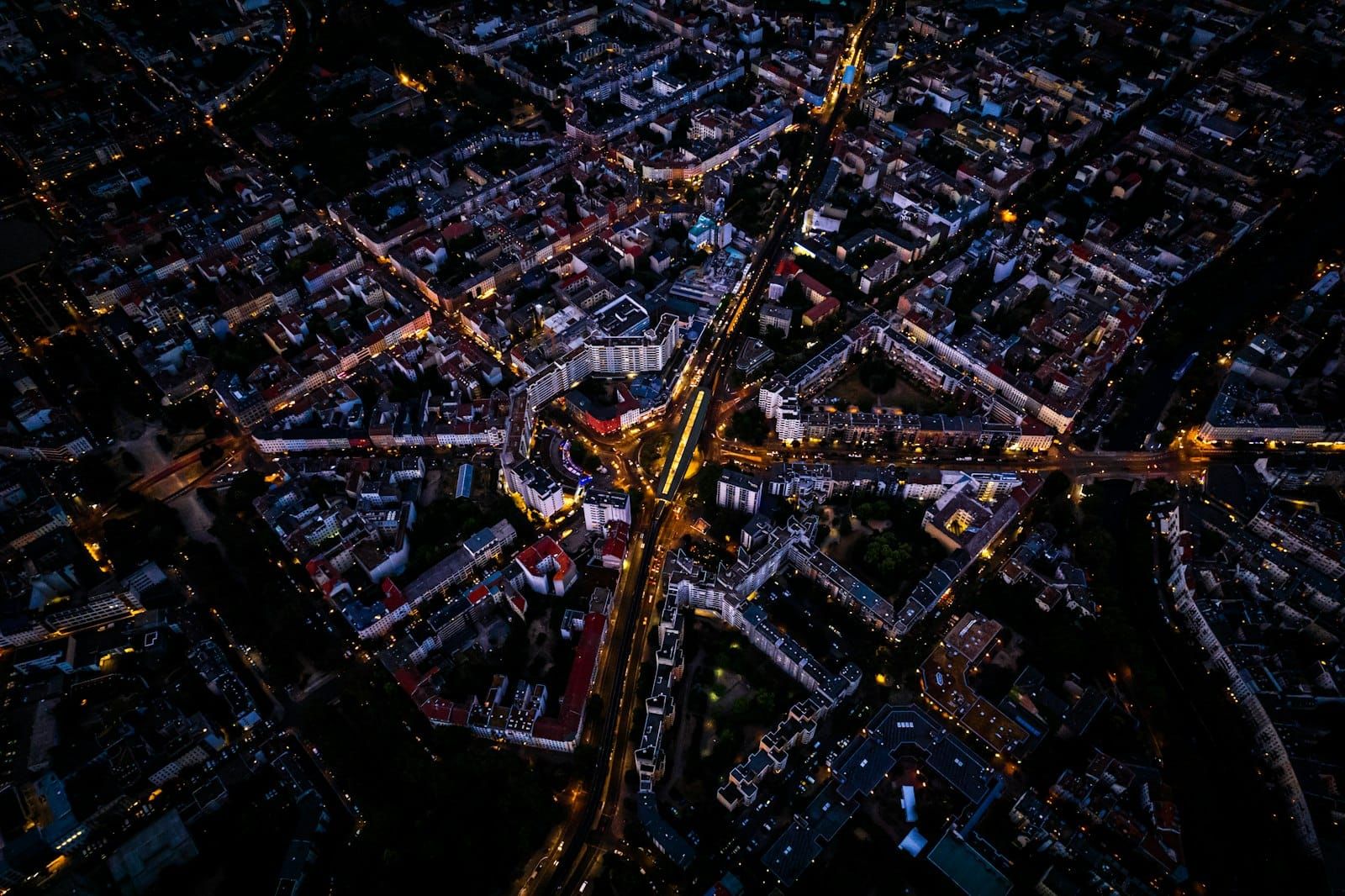
Most of the great bird migrations happen in the dark. Warblers, thrushes and sandpipers lift off after sunset and navigate by the stars, and for years a team of scientists at the Cornell Lab of Ornithology, with colleagues at Purdue, the University of Illinois and the University of Massachusetts, has been watching them do it on weather radar. The project is called BirdCast, and it can now forecast a migration the way a meteorologist forecasts rain: one, two and three days out, region by region, with a live map of how many birds are in the air tonight. The forecasts revealed something useful. More than half of a whole year's night migration over the country happens on roughly ten per cent of nights. Dim the lights on those nights, and the birds pass over a quieter, darker city on their way to wherever they are going.
That is the part that has just become automatic. Photometrics AI, a company that runs the control systems behind city street lighting, has connected its platform to BirdCast's live data, so that when the radar signals a big night, residential streets and open spaces soften on their own while main roads, crossings and busy corners stay bright. Nobody has to remember. "Street lighting represents one of the largest sources of artificial light at night in urban areas," said Ari Isaak, the company's founder. "By connecting our optimisation platform to BirdCast's real time migration data, cities can take meaningful conservation action that runs automatically." It joins a movement that has been growing for two decades: the Lights Out programs run with the Audubon Society in which Chicago, New York, Boston, Philadelphia, Denver, Seattle and dozens of other cities ask their tallest buildings to go dark through the migration weeks, with a welcome side effect on the electricity bill. The northern autumn migration is beginning now, and this is the first one where the streetlights are listening to the radar.
Questions you might have
Does dimming the streetlights make streets less safe?
The system keeps main roads, crossings and busy corners at full brightness and softens only residential streets and open spaces, and only on the handful of nights each season when the radar shows a big migration.
Is this happening where I live?
The automatic version is new and starting in the United States. The older, human version, Lights Out, runs in dozens of North American cities, and similar programs exist in Europe and Australia during migration seasons.
What can I do at home?
Turn off outside lights you are not using during the migration weeks, and draw the curtains on lit rooms at night. Birds navigate by the stars, and a darker street helps them keep their bearings.
Our short take: the partnership was announced by Photometrics AI and the Cornell Lab of Ornithology on 25 March 2026, reported in Birding Wire, and explained by David Shiller for LightNOW, 19 February 2026. Lights Out details from the National Audubon Society and BirdCast. Photograph: Unsplash.