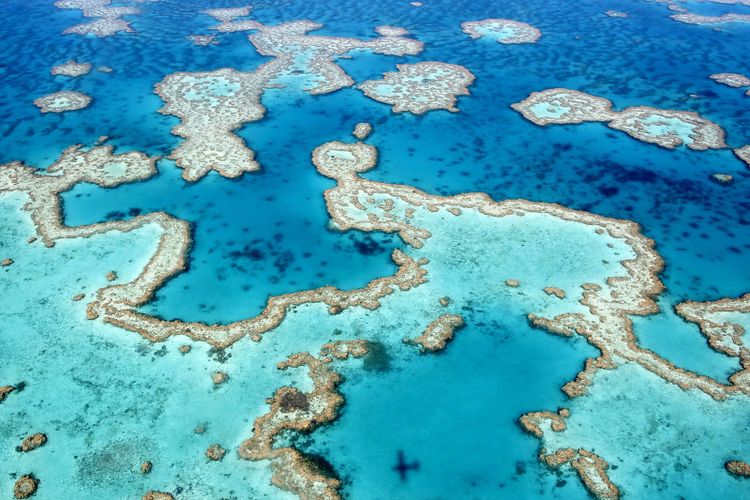
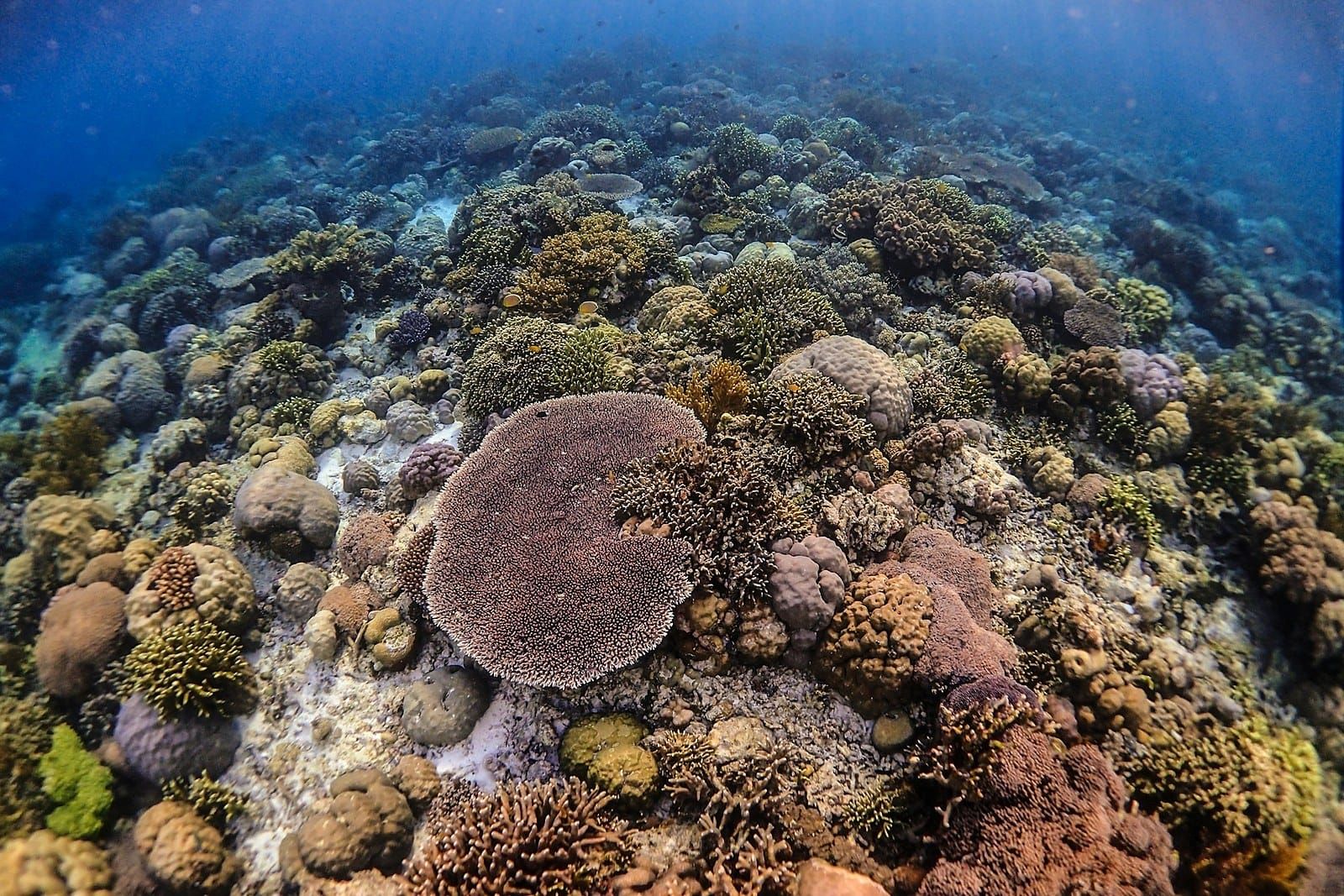
Southeast Asia’s ocean holds more than seventy per cent of the world’s coral reef species and feeds and employs hundreds of millions of people. Marine parks out there are looked after by crews in small boats who know these reefs by name and cover extraordinary distances to do it. Since June they have had some help in the water. The Nature Conservancy and the innovation platform Newlab ran a global open call for technology that could extend what those crews can see, and in May they named the winners. Jennifer Morris, the Conservancy’s chief executive, said plainly that the change the ocean needs will not come from incremental measures alone. Garrett Winther, Newlab’s chief product officer, works with startups on exactly this kind of system sized problem. The winners were taken to Indonesia to work with YKAN, the Conservancy’s longstanding Indonesian partner, across the Savu Sea.
HavocAI, from the United States, has put a fleet of solar powered autonomous boats out there. They are built for long stretches at sea, they talk to satellites, and one person on shore can run several of them at once, which is the whole point: it turns one crew’s reach into many. blueOASIS, from Portugal, has taken a different route entirely and is listening. Its solar powered acoustic stations sit in remote water and simply hear what passes, in places nobody can be. Neither of these replaces the people who know these reefs. They extend them, into the far corners of a marine park on the nights and in the weather when no boat is going out. If the pilots hold up, the plan is to spread them across the wider Asia Pacific.
Our short take: from The Nature Conservancy’s Global Ocean Innovation Challenge announcement, 20 May 2026, with Newlab and YKAN. Photograph: Unsplash.