Planes are one of the hardest things on Earth to run cleanly. Batteries are too heavy for long flights, so whatever goes in the tank has to be a liquid that packs enormous energy into a small space. Which is what makes the news from Shanghai so interesting. A company called Shanghai Carbonology has been working on a fuel whose recipe sounds like a magic trick: capture carbon dioxide from the air, split hydrogen out of water using clean electricity, and then, with the help of some very clever catalysts, join them together into liquid fuel a jet engine can burn. No oil well anywhere in the process. The carbon in the tank came out of the sky, and burning it simply returns it, a loop instead of a one way street.
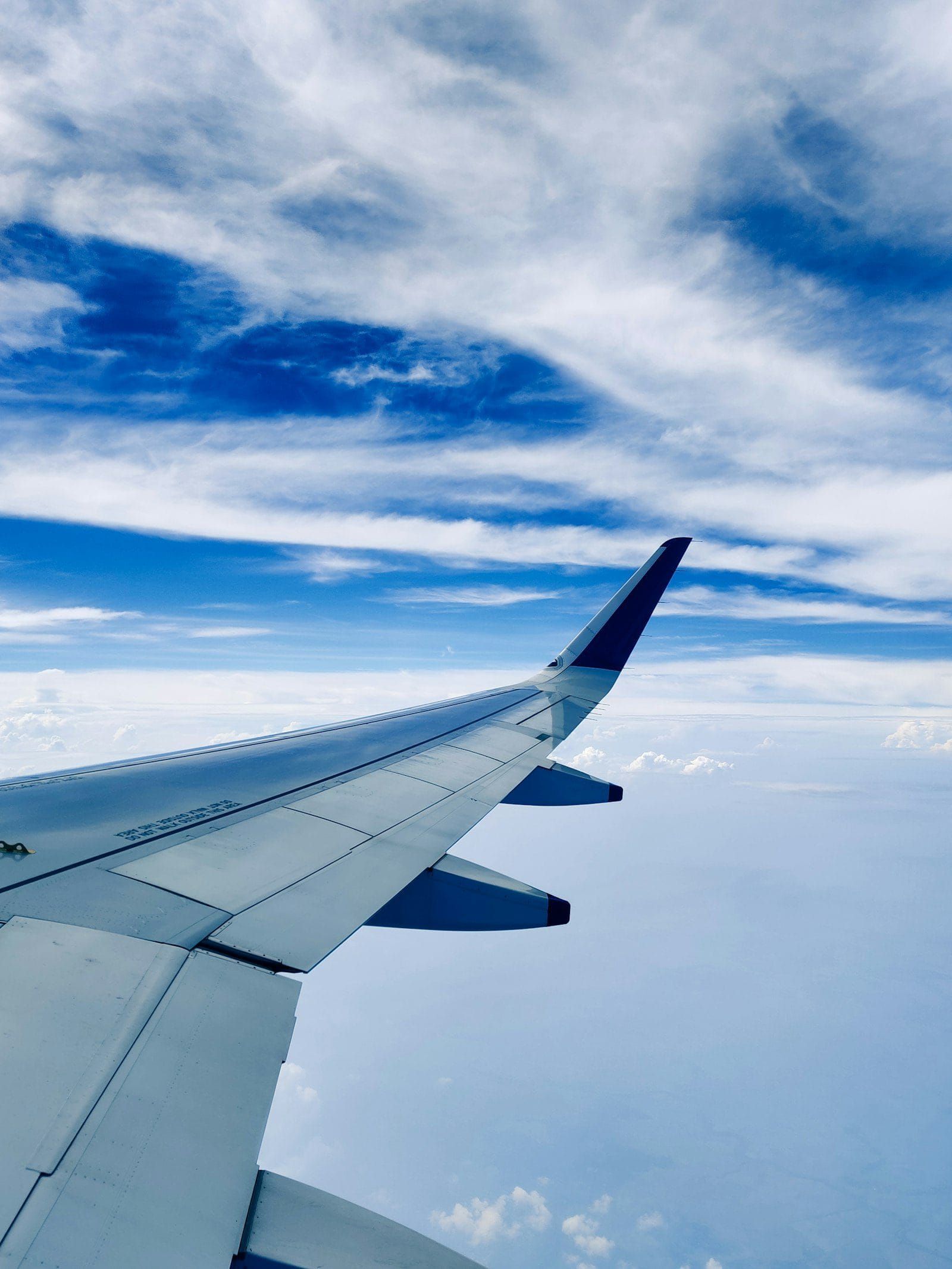
In June the company broke ground on its first real factory, a pilot plant at the Ningdong energy base in Ningxia designed to produce a thousand tonnes of this fuel a year. In the world of aviation that is a drop in a very large tank, and it is honest to say so: this is a first step, not a finished answer. But first steps are how every industrial revolution has ever started, and this one exists because engineers decided the sky itself could be a fuel source. The plant will prove the chemistry at scale, teach the team what a bigger factory needs, and show airlines that fuel made from air and water is not a laboratory curiosity. Somewhere over the next decade, a passenger will look out a window at the clouds and be flying on them.
Our short take: Shanghai Carbonology's breakthrough was reported by Science and Technology Daily in March, and the June groundbreaking of the kiloton pilot plant at Ningdong was covered by the sustainable fuel trade press. Photograph: Unsplash.