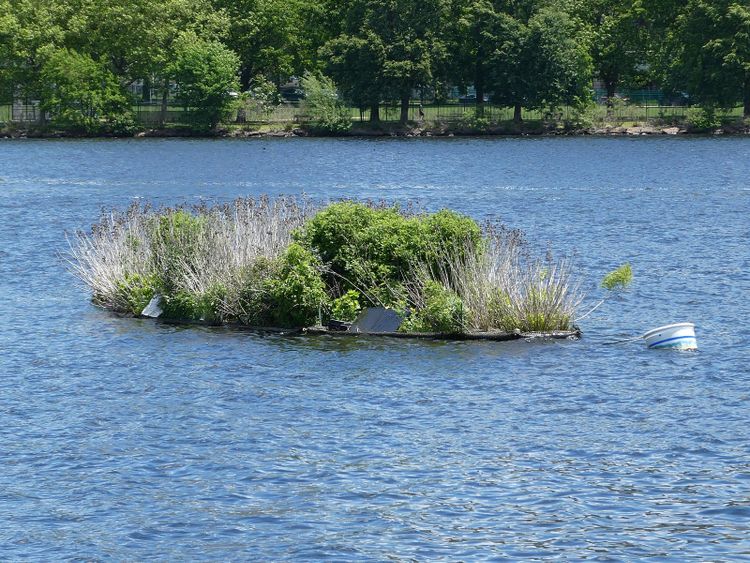
A reed raft cleans Phillip Island's water
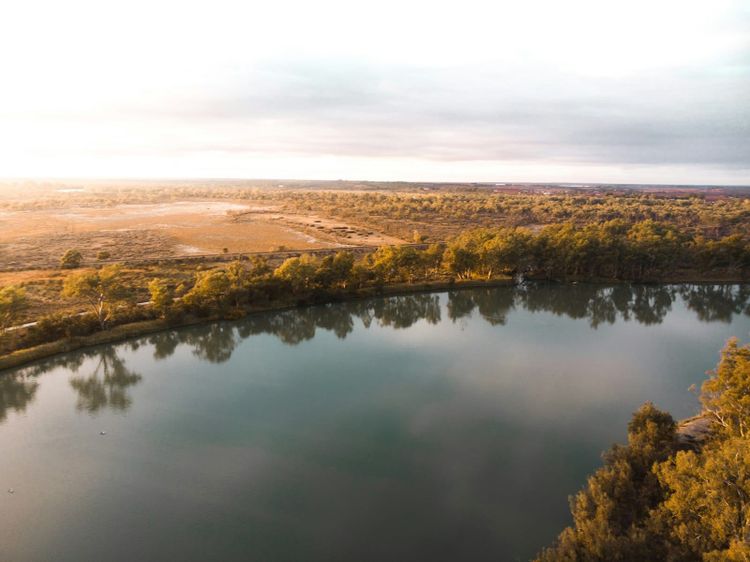
On a treatment lagoon at Cowes, a floating garden the size of a tennis court and a half has spent two years quietly doing the work of machinery, and the numbers from the world first trial are in.
Bright ideas working in the real world: clean power, clever materials and tools that make it easier to live lightly.
On a treatment lagoon at Cowes, a floating garden the size of a tennis court and a half has spent two years quietly doing the work of machinery, and the numbers from the world first trial are in.
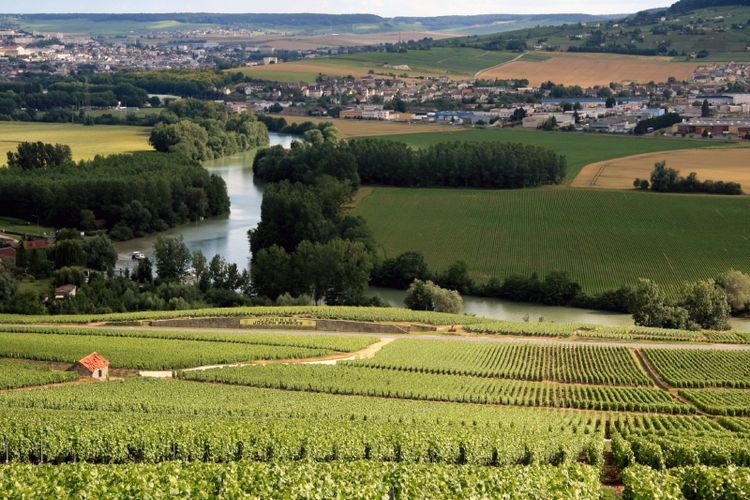
France has stopped selling most copper fungicides, the standby of organic vineyards for a century. Into the gap steps a spray from Oxfordshire made of three plant oils, wrapped in yeast cells so the rain sets them free.
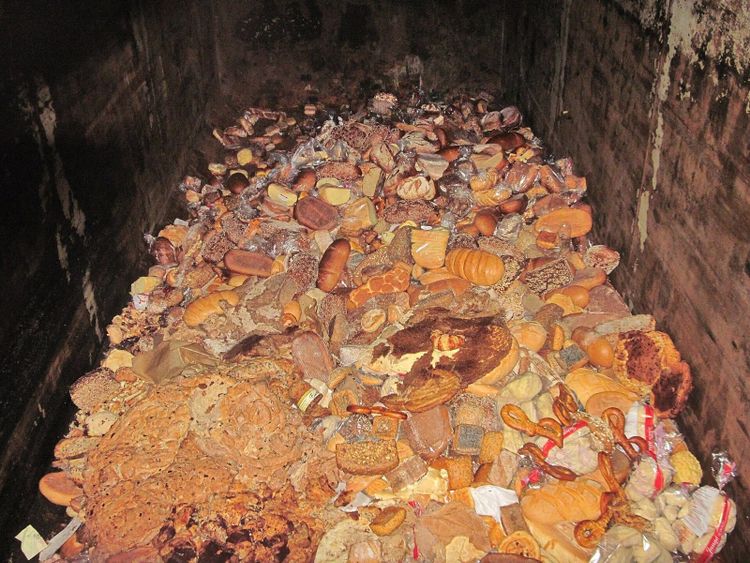
A yeast first found on grape skins eats surplus loaves and fills itself with fat. A company born in a Bath laboratory is now brewing it by the hundred thousand litres near Liverpool, and the oil behaves just like palm oil.
Two million nurses, teachers, carers and public servants now own a share of South Australia's biggest battery, sitting on one hectare near Mannum, through the funds that hold their retirement savings.
Metal lattices are wonderfully light and always sink. An RMIT team in Melbourne has printed a titanium one that floats, shrugs off seawater, and is stronger than the steel and plastic in every jetty and buoy.
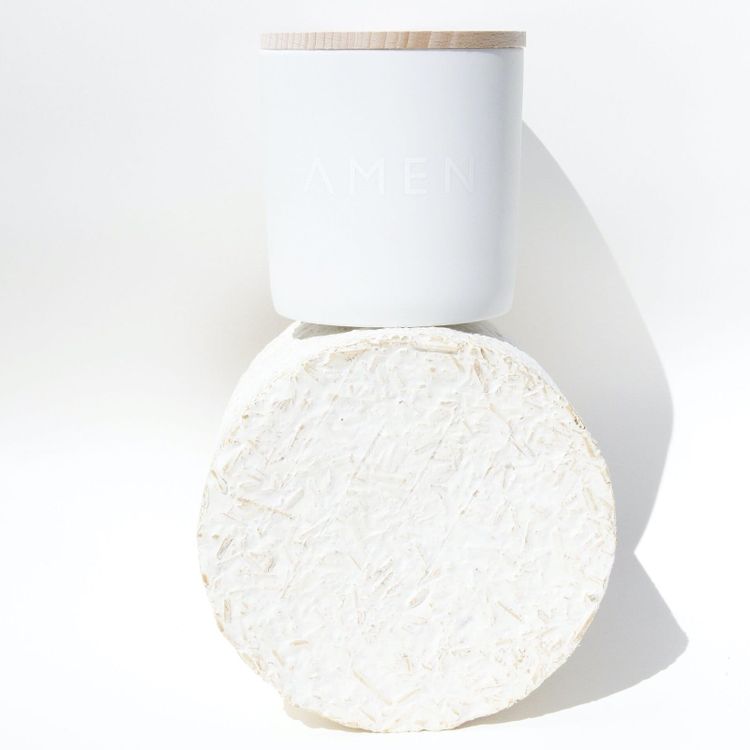
Mushroom Material feeds fungus roots on wood chips and cardboard, dries the result into little white marshmallows, and presses them into the shapes polystyrene used to fill. It composts at home in under three months.
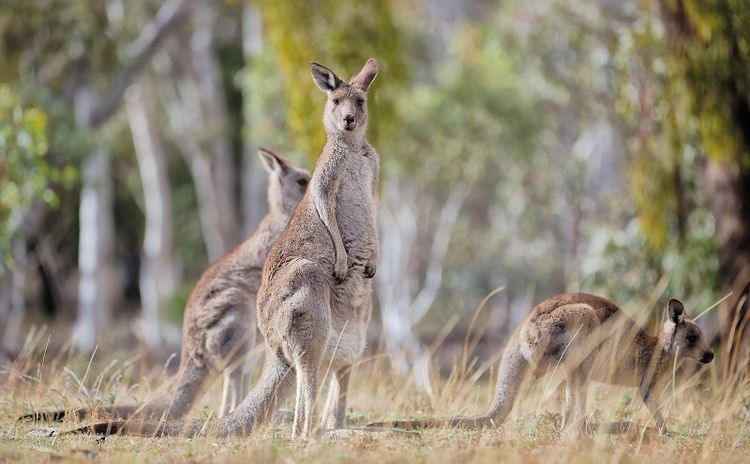
On a stretch of the Monaro Highway south of Canberra, cameras that see heat and shape are watching the verges for kangaroos, and when one steps close the sign ahead lights up: animal on road, slow down.
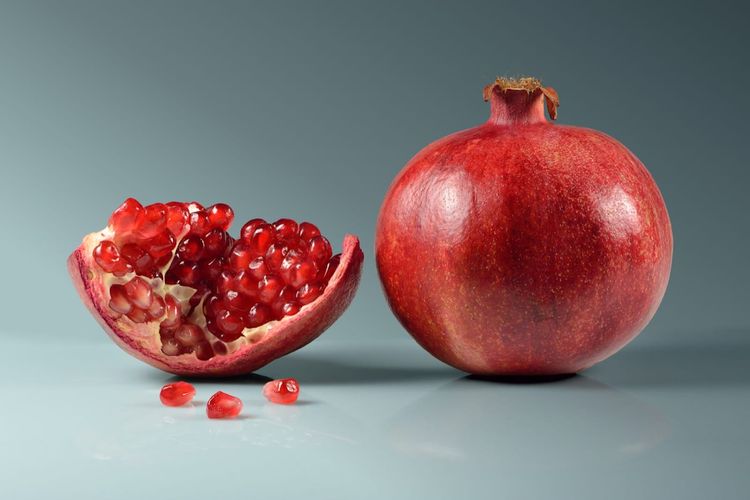
Turkey grows a great many pomegranates, and the peel has always been the part nobody wanted. Two people decided that was the interesting bit.
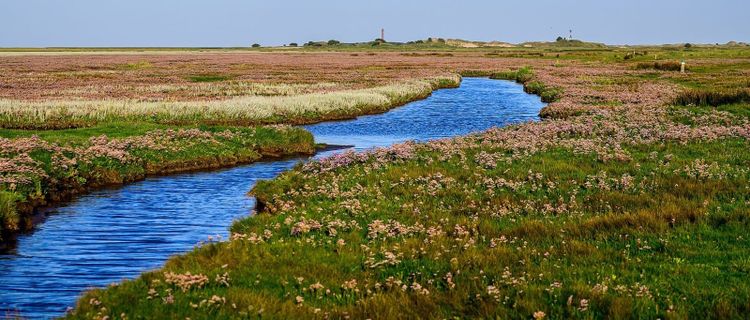
Marine scientists in England are launching pontoons planted with living saltmarsh, bringing shoreline habitat back to harbours that were long ago walled in concrete, and the same thinking is stirring in Sydney.
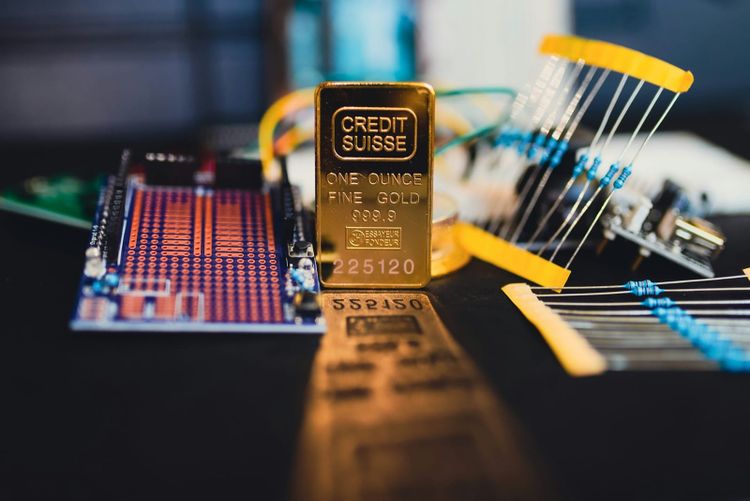
Switch the power on and it takes hold of the gold. Switch it off and it lets go.
Fredrick Njoroge Kariuki and Miron Onsarigo were seventeen when they built a vehicle exhaust filter from maize cobs, coconut shells and algae. It costs a third of the usual kind.
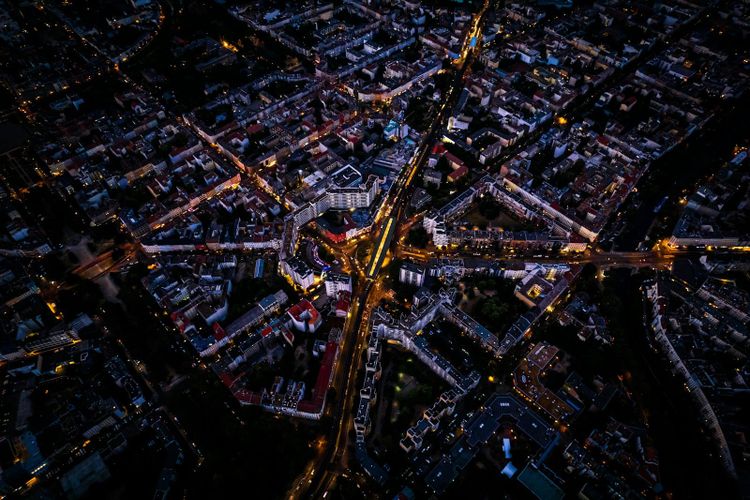
Half of all the birds that cross the United States at night do it on about one night in ten. Now a city's streetlights can know which nights those are.