
Global Good News
The year the ocean introduced itself
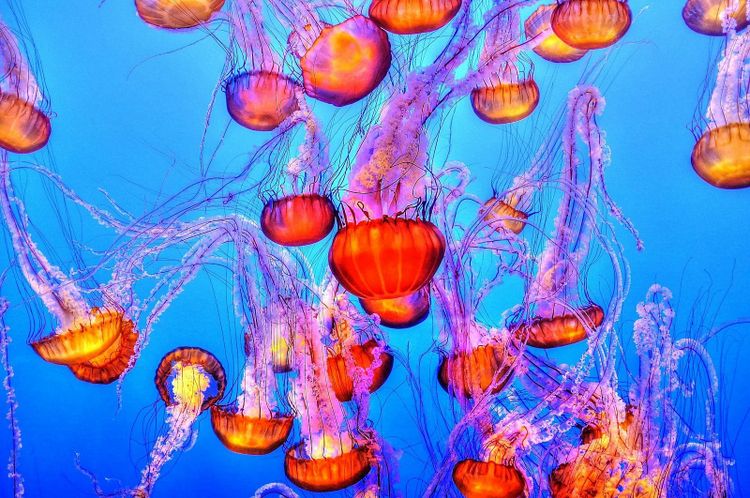
Scientists found 1,121 new marine species in a single year, and they are just getting started.
Species coming back, habitats restored, and the people who give them room.
Scientists found 1,121 new marine species in a single year, and they are just getting started.
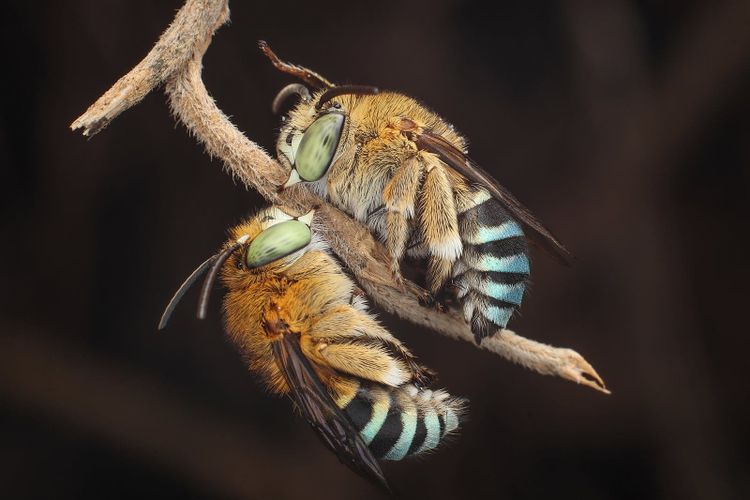
The first national picture of who actually pollinates Australia has been drawn, and the native bees come out of it looking like heroes in waiting.
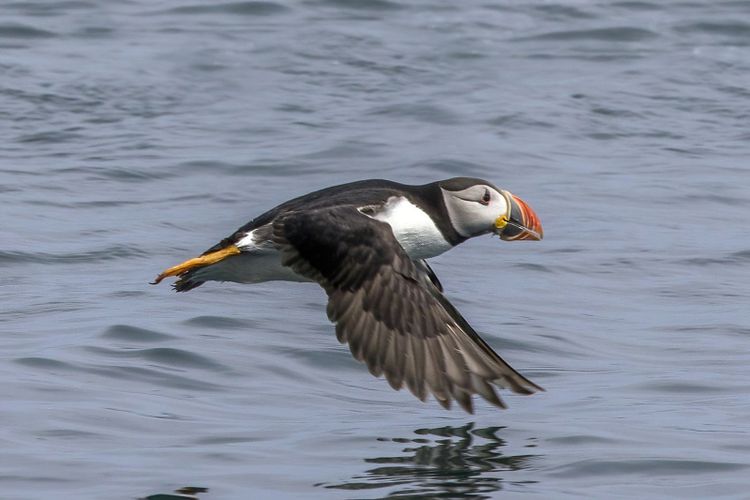
On the cliffs of Dorset, volunteers watched a puffin chick leave its nest for the first time in three decades.
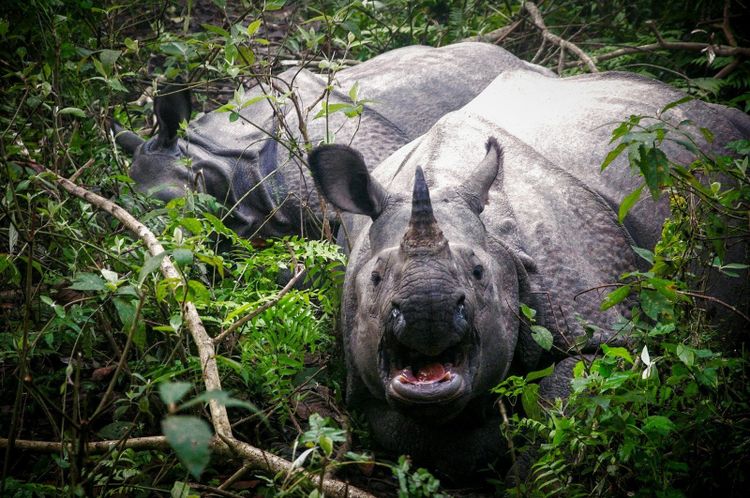
One hundred and eight women guard Kaziranga's rhinos, and the poachers have gone quiet.
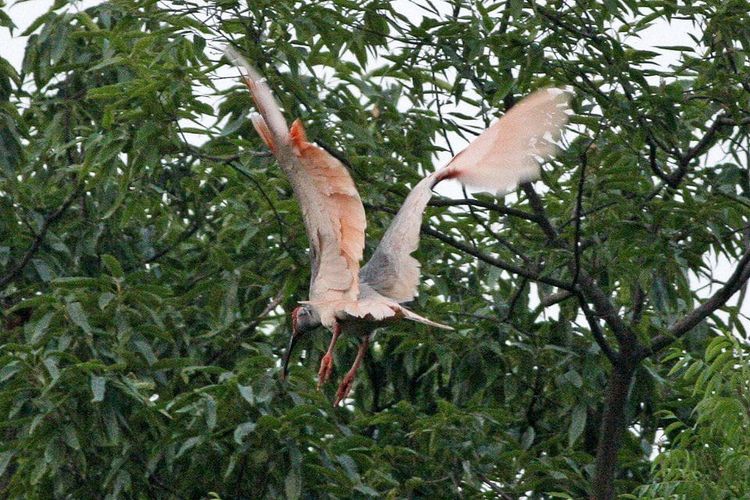
Japan's toki was gone from the wild. This May, a crowd in Hakui watched eight fly free in the very place they were last seen.
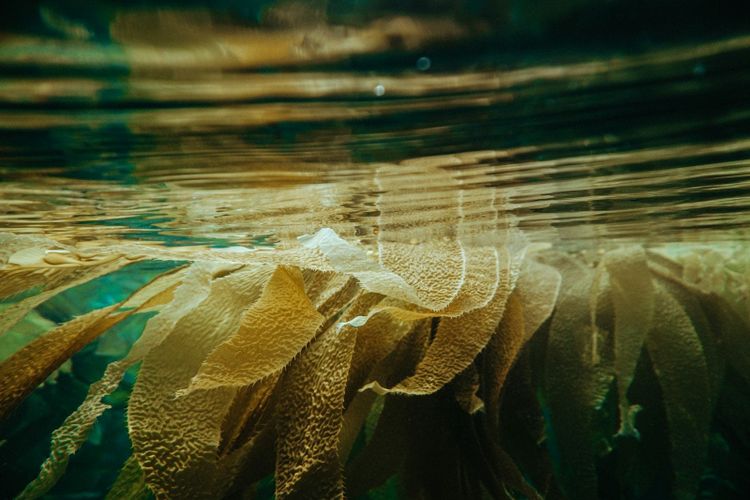
At Eaglehawk Neck, people come from all over the world to spend four cold weeks putting giant kelp back on the reef.
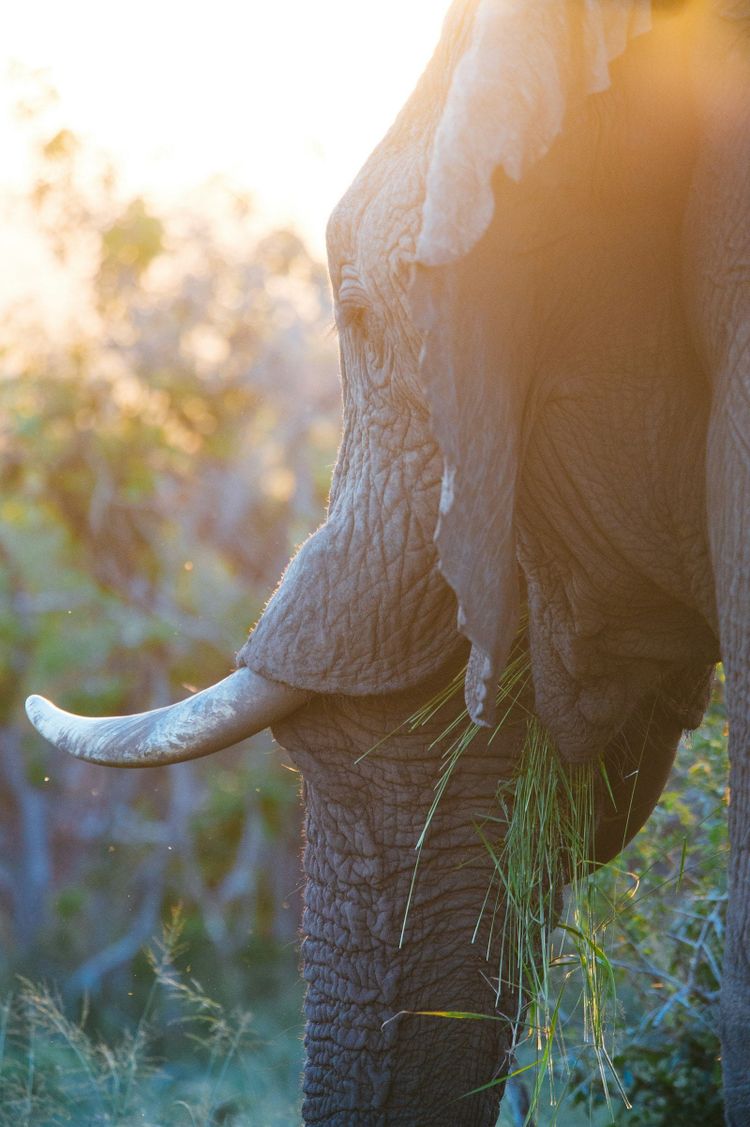
In Namibia, a message from space now helps farmers and free roaming elephants share the same dry rivers in peace.
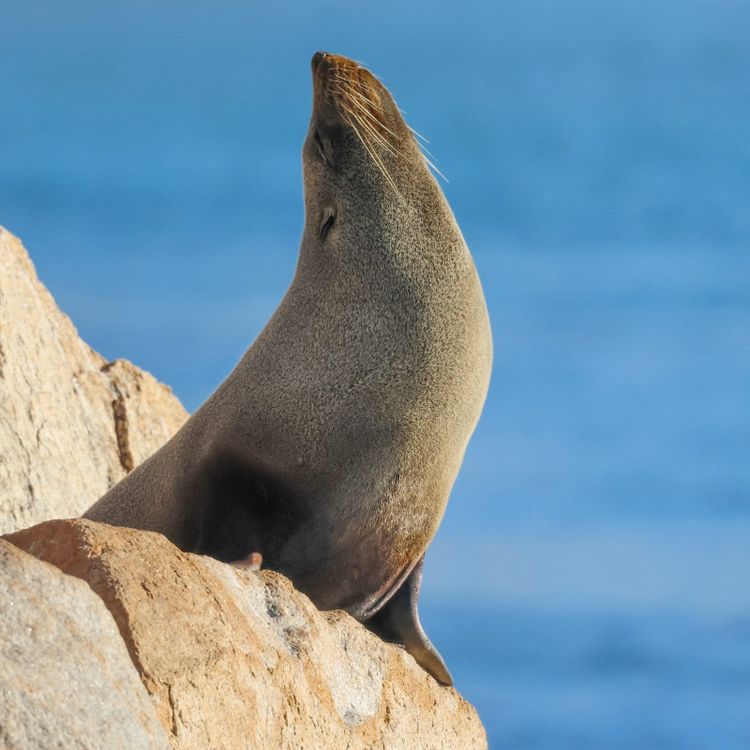
No cars, no shops, no road. Barunguba Montague Island has a granite lighthouse, eight thousand penguins and two cottages you can book.
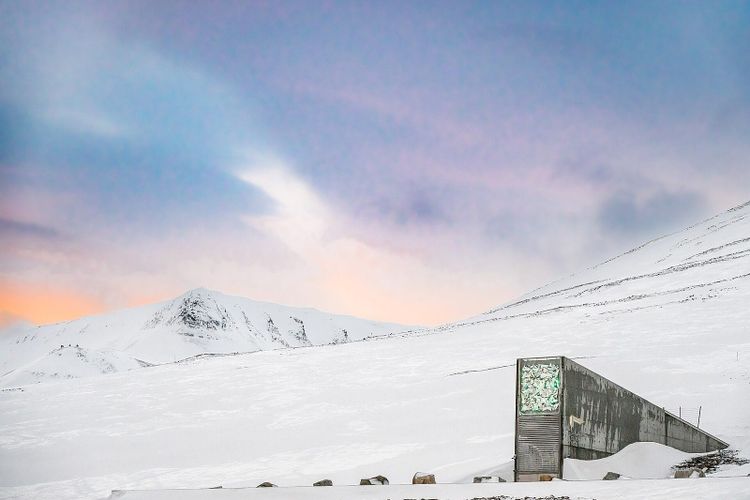
Inside a mountain in the Arctic sit 1.4 million kinds of seed, and this year two countries added theirs for the first time.
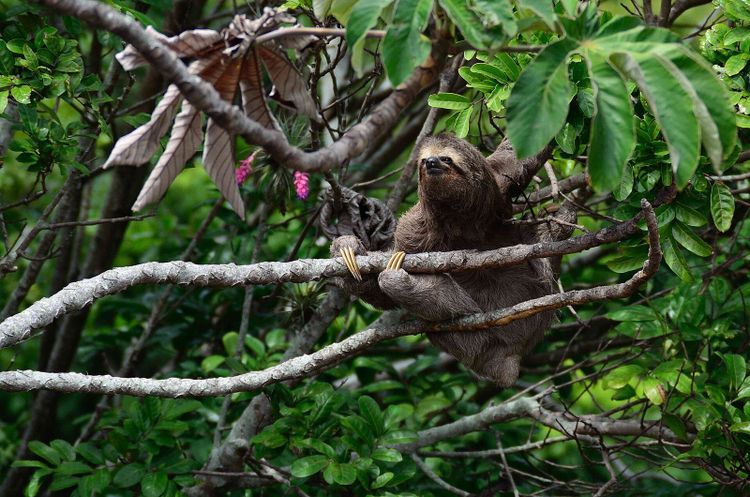
On the Caribbean coast of Costa Rica there are now 378 of them, strung tree to tree above the roads.
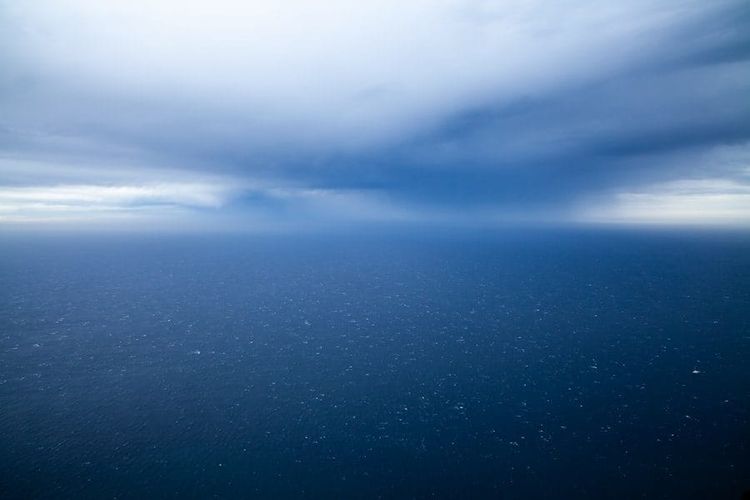
Two thirds of the ocean finally has a rulebook. And the closer that care comes to the shoreline, the more of us get to watch the healing.
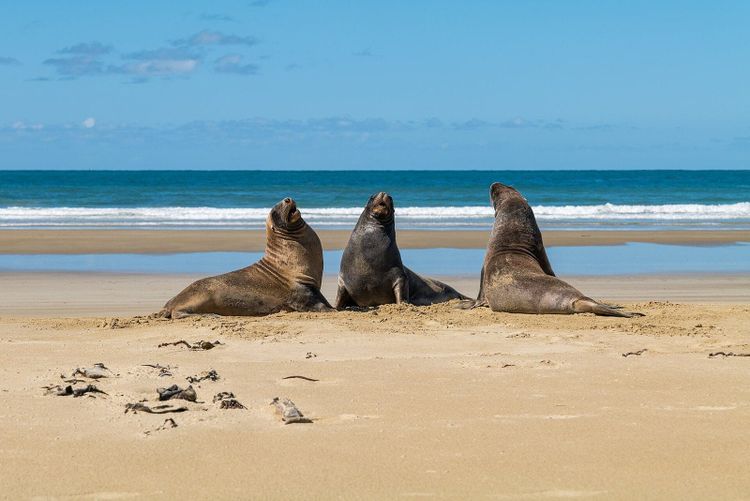
On the Otago coast, one of the world's rarest sea lions has just reached a number that counts.